
Who was India's first civil servant? Inside the British-era exam that shaped the IAS
Held in London, shaped by European classics and guarded by colonial structures, the ICS exam tested more than knowledge. One Indian entered and changed a precedent.

New Delhi,UPDATED: May 25, 2026 19:33 IST
Long before civil services preparation turned into an ecosystem of coaching institutes, rank predictors and “last 30 days strategy”, one Indian sailed across continents to attempt an examination many believed was technically open but structurally exclusionary.
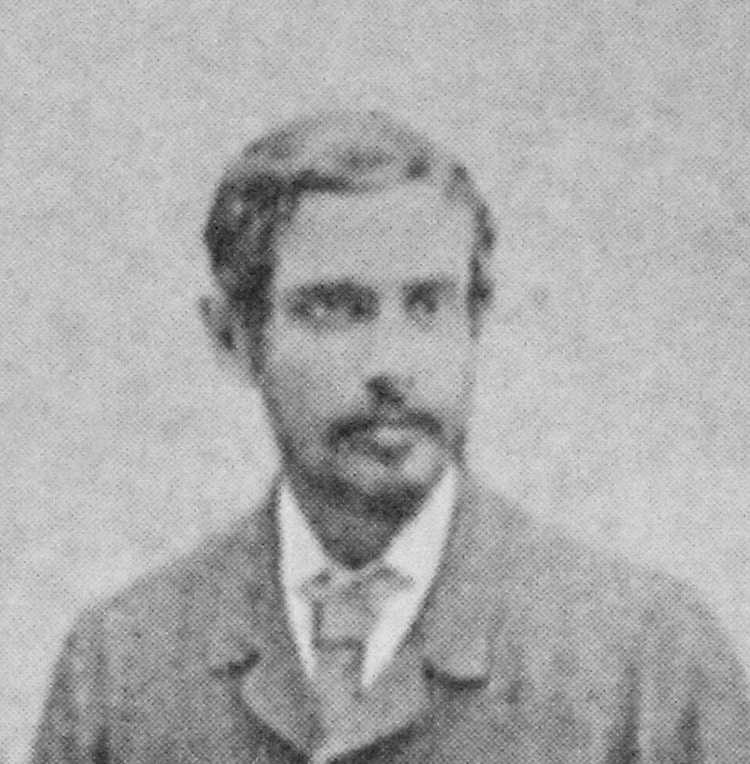
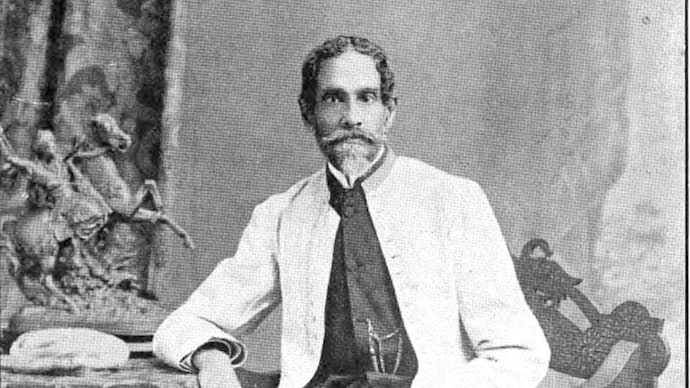
His name was Satyendranath Tagore.
In 1863, he became the first Indian to qualify the Indian Civil Service (ICS) examination, an achievement that travelled beyond personal success and entered the politics of colonial power.
The ICS was not an ordinary government job. It formed the administrative machinery through which the British Empire governed millions.
THE TAGORE HOUSEHOLD WAS NOT A QUIET PLACE
Born in 1842 into Bengal’s Tagore family, Satyendranath grew up amid debates on literature, reform, education and society. The household was part of the larger intellectual churn now associated with the Bengal Renaissance.
He was also the elder brother of Rabindranath Tagore, who decades later would become the first Asian Nobel laureate.
But in the Tagore family, education was rarely ornamental. Learning was viewed as leverage.
At a time when colonial structures often determined who could participate in governance, social capital mattered almost as much as academic ability.
Talent alone seldom crossed imperial corridors. Access did.
AN ADMINISTRATOR WHO MOVED BEYOND FILES
Following his success, Satyendranath served in several regions of western India, including areas in present-day Maharashtra and Gujarat.
His public life extended beyond administration.
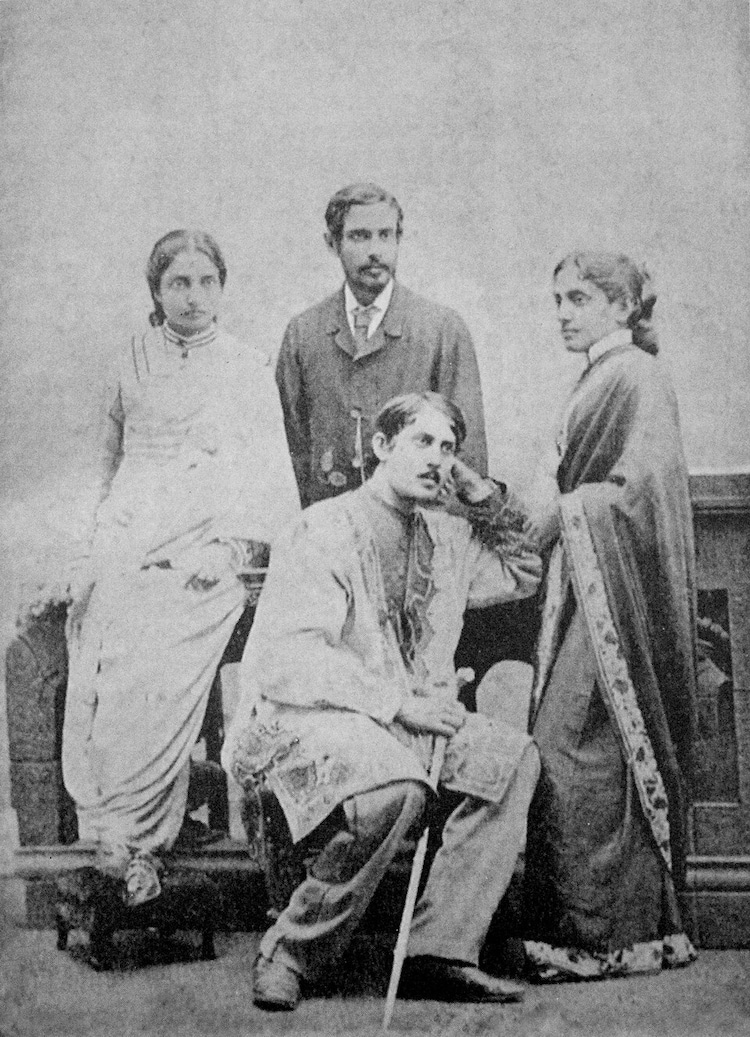
He supported women’s education and engaged with reformist ideas. His wife, Jnanadanandini Devi, played a significant role in challenging social conventions surrounding women’s participation in public life among Bengali communities.
Satyendranath also translated literary works and wrote extensively.
Every year, lakhs prepare for the UPSC examination.
Libraries remain occupied until late hours. Mock tests become routine. Telegram groups multiply. Aspirants measure years in attempts.
Modern India’s bureaucracy evolved through multiple transitions, but part of its institutional ancestry lies in the ICS. Behind present-day result announcements and celebrations sits an older episode from 1863.
A Bengali scholar entered an examination structure built under colonial authority and emerged successful.
AN EXAMINATION BUILT WITH DISTANCE AS FILTER
Before 1853, appointments to the East India Company’s civil services were largely made through nomination for which the exam was conducted in London. Positions often depended less on competition and more on patronage, a system where influence carried weight.
That changed in 1853 when the British Parliament abolished the nomination system and introduced competitive examinations for entry into the civil service. On paper, the reform appeared progressive.
The change was influenced by the famous Macaulay Committee Report, which argued that appointments should come through “abilities and industry” rather than privilege. Yet the report also reflected another reality: ideal candidates were expected to possess an elite British education, preferably from institutions such as Oxford or Cambridge.
Merit, therefore, came with conditions.
Candidates had to be between 18 and 23 years old and clear a demanding examination that combined subjects for the Diplomatic, Home, Indian and Colonial services. Classical studies dominated the syllabus. A horse-riding test was compulsory.
For an Indian candidate in the mid-19th century, reaching the examination hall meant undertaking a long sea voyage, carrying significant financial burden and stepping into a society where colonial assumptions were already operational.
The syllabus added another layer.
Greek literature, Latin, European classics and subjects rooted in Western intellectual traditions occupied substantial space. Indian candidates competed in a framework designed around familiarity they often did not possess.
Those who qualified underwent probation in Britain, often studying at Oxford, Cambridge or London institutions. Training included Indian law, revenue systems, history and regional languages before administrative postings.
The Indian nationalist leadership of the late 19th century repeatedly questioned this arrangement. Moderate leaders demanded simultaneous civil service examinations in both India and Britain, arguing that geographical distance itself had become a barrier to representation.
- Ends