
Indian teens win Earth Prize 2026 with Plas-Stick, a tamarind microplastic filter
Three Indian teenagers have become the first-ever Global Winners from India at The Earth Prize 2026. Their invention, Plas-Stick, uses discarded tamarind seeds to create a biodegradable magnetic powder that removes microplastics from water, offering a low-cost solution for communities lacking access to clean drinking water.
Three Indian teenagers have become the first-ever global winners from India at The Earth Prize 2026. Their invention, Plas-Stick

What if the answer to one of the world's growing pollution problems was hiding inside a tamarind seed?
That simple idea has just earned three Indian teenagers one of the biggest honours in youth environmental innovation.
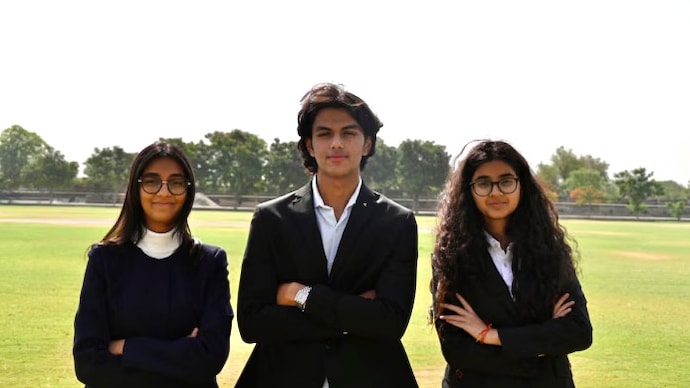
Sixteen-year-olds Avyana Mehta, Ariana Agarwal and Vivaan Chhawchharia have been named Global Winners of The Earth Prize 2026, becoming the first team from India to claim the competition's top title. Their invention, called Plas-Stick, uses discarded tamarind seeds to remove microplastics from water.
The Earth Prize is considered the world's largest environmental competition for young people aged 13 to 19.
THE PROBLEM THAT SPARKED AN IDEA
The idea was born during a visit to a rural community.
According to an official statement from The Earth Prize, the students were struck by the sight of a child drinking water stored in a shared plastic container without access to advanced filtration systems.
The moment raised a troubling question: how many people unknowingly consume microplastics through their daily drinking water?
Determined to find a practical solution, the trio began experimenting with tamarind seeds, a common agricultural waste product.
HOW PLAS-STICK WORKS
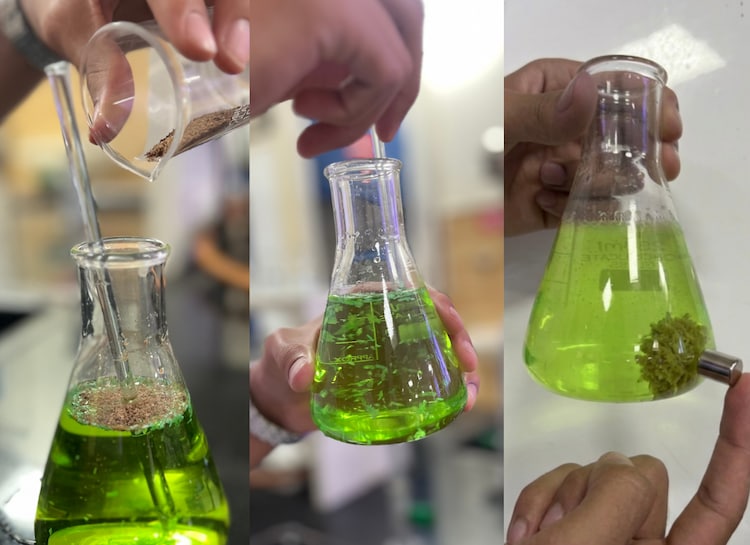
The result was Plas-Stick, a biodegradable magnetic powder made from discarded tamarind seeds.
When added to water, the powder attracts and binds microplastic particles into visible clumps. These clumps can then be removed using a handheld magnet.
The biggest advantage is its simplicity.
The solution does not require electricity, expensive machinery or complex infrastructure, making it particularly useful for underserved communities.
FROM SCHOOL PROJECT TO GLOBAL WINNER
The invention first won the Asia regional category before advancing to the global stage.
Around 23,000 people voted to select the overall winner from seven regional champions representing different parts of the world.
In an official statement after the win, the students said: "Being named the Global Winners of The Earth Prize is incredibly special for all of us, especially as the first team from India to receive this recognition."
"What started as an idea between students has now been recognised among thousands of projects from around the world, which feels both surreal and deeply motivating."
BIG PLANS AHEAD
Plas-Stick has already been showcased through workshops and demonstrations, reaching more than 8,000 students and teachers.
The team now plans to expand the technology through decentralised production hubs and bring it to more rural communities across India.
Peter McGarry, Founder of The Earth Foundation, said in an official statement: "By transforming agricultural waste into a practical tool for removing microplastics from drinking water, these young innovators are addressing a growing global challenge with remarkable creativity and purpose."
For three teenagers who started with a simple observation, that creativity has now put India on top of the global youth climate innovation map.
- Ends