
Emotional burnout in caregivers: The mental health crisis nobody talks about
As India's ageing population and chronic illnesses rise, caregiver burnout is becoming an invisible mental health crisis inside homes.
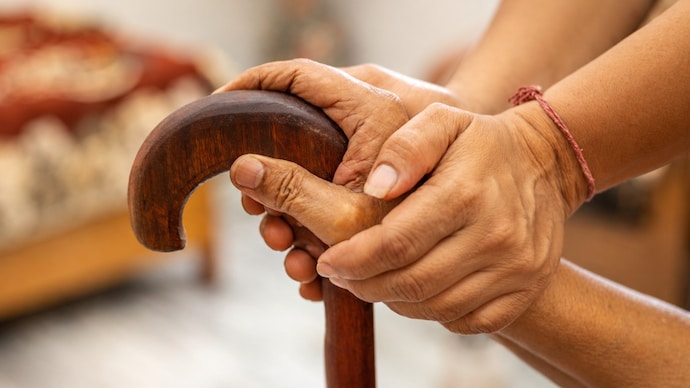

As India’s population ages, chronic illnesses rise, and mental health challenges grow, an invisible crisis is unfolding inside homes — caregiver burnout.
From daughters managing elderly parents’ medical appointments to women balancing jobs, childcare, and emotional labour, millions of Indians are becoming full-time caregivers without ever being called one. They are often the first to respond during illness and the last to rest.
Yet while patients receive treatment, caregivers are rarely asked one simple question: Who is taking care of them?
Experts warn that emotional burnout among caregivers is becoming a serious mental health concern — marked by exhaustion, anxiety, guilt, sleep disorders, depression, and emotional breakdowns. But because caregiving is often seen as a responsibility rather than a source of distress, the problem remains largely invisible.
Across Indian households, many people are holding families together while quietly falling apart.
WHAT IS CAREGIVER BURNOUT?
Caregiver burnout is a state of physical, emotional, and mental exhaustion that arises when someone devotes most of their energy to caring for others while neglecting themselves. The Cleveland Clinic notes that over 60% of caregivers show symptoms of burnout.
Dr. Shivi Kataria, Consultant-Psychiatry at CK Birla Hospitals, Jaipur, explains, “It happens when caregivers are so deeply emotionally invested that they do not have enough time for reflection or for themselves.”
Caregiving is not only physically demanding, but it can also be emotionally painful.
WHY ARE WOMEN MORE AFFECTED?
In Indian families, caregiving is often framed as duty, not distress. Cultural expectations such as “Your parents raised you, now it’s your turn” or “Good daughters don’t complain” normalise exhaustion.
Dr. Kataria observes, “Women are often the bearers of unseen emotional labour, which puts them at increased risk of depression, anxiety, and emotional burnout.”
A recent policy discussion around India’s 2026-27 Union Budget also highlighted the need for a stronger care ecosystem, including trained caregivers in geriatric and allied care.
WHEN HELPING OTHERS STARTS HARMING YOU
Burnout rarely arrives suddenly. It builds slowly.
It often begins with skipped meals, poor sleep, constant worry, and the feeling that asking for help would be selfish. Then come guilt, irritability, emotional numbness, panic attacks, resentment, and isolation.
Sometimes caregivers feel angry at the very people they love most — and then feel guilty for feeling that way.
The American Psychiatric Association reports that two-thirds of caregivers experience high emotional stress, nearly half face physical strain, and up to 70% show clinically significant symptoms of depression.
This is not weakness. This is burnout.
EARLY WARNING SIGNS PEOPLE IGNORE
Dr. Kataria warns that these symptoms are often mistaken for “normal tiredness.” Persistent fatigue, disturbed sleep, irritability, frequent crying, guilt about self-care, and loss of interest in activities once enjoyed are major red flags.
Physical symptoms may include headaches, indigestion, and palpitations.
Emotional detachment — when caregiving begins to feel mechanical rather than compassionate — is especially concerning.
MENTAL ILLNESS IN THE FAMILY MAKES IT HARDER
A global review published in the National Library of Medicine (PMC) found that the pooled prevalence of caregiver burden among caregivers of individuals with mental illness was nearly 32%.
In India, the challenge is even greater because over 80% of people with mental illness do not receive timely or adequate treatment, leaving relatives to shoulder care without training or support.
THE GUILT OF NEEDING REST
Perhaps the hardest part of caregiver burnout is guilt. Many caregivers feel that resting means failing.
Taking a day off feels selfish. Therapy feels like a luxury. Saying “I’m tired” feels like a betrayal. So they continue quietly until their body forces them to stop.
Sometimes, the caregiver becomes the next patient.
Dr. Kataria warns that long-term burnout can become dangerous if ignored.
“Extended caregiver burnout can lead to clinical anxiety, depression, panic attacks, and sleep disturbances. There is also the possibility of hypertension, weakened immunity, gastrointestinal dysfunction, and cardiovascular complications,” she says.
“It is more than just being stressed out — it is a prolonged period of nervous system overload.”
WHO TAKES CARE OF THE CAREGIVER?
Mental health professionals stress that caregivers need care too. Shared family responsibility, workplace flexibility, support groups, counselling, and even small gestures such as a cup of tea or a weekend off can make a meaningful difference.
Dr. Kataria reminds families: “The desire for rest does not make you selfish — it makes you human. No one can provide care endlessly without support or concessions.”
THE SILENCE MUST END
India talks extensively about patients, but rarely about the people holding families together while quietly falling apart. Sometimes, the strongest person in the room is the one closest to breaking.
It is time to ask caregivers a different question:
Not — “How is the patient?”
But — “How are you?”
Written by: Vidhya Das