
Chest pain isn't always the heart: It could be your lungs or stomach
Chest pain can signal heart, lungs, or digestive issues. Sharp pain with breathing may point to lungs, burning after meals to the stomach, and crushing pressure to the heart. Seek timely medical care early evaluation can prevent complications and save lives
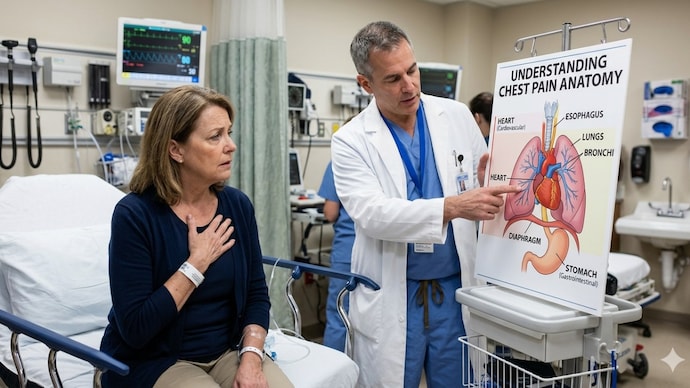

Chest pain is one of the most alarming symptoms for anyone. Often, the immediate thought is a heart problem like a heart attack. While heart conditions can indeed be life-threatening, focusing solely on the heart may overlook other critical causes, especially lung or digestive system issues.
HEART-RELATED CHEST PAIN
Heart-related pain, such as in Angina or Myocardial Infarction, usually presents as a heavy, pressure-like sensation in the center of the chest. It can radiate to the arm, jaw, or back, and is often accompanied by sweating, nausea, or shortness of breath. The pain may worsen with physical activity and always needs urgent medical attention.
LUNG-RELATED CHEST PAIN
Lung conditions can also cause chest pain, though they often feel different. Lung-related pain is typically sharp, may worsen with deep breaths, coughing, or movement, and can appear suddenly. Common causes include:
Pneumonia – Infection of the lungs causing fever, cough, and chest discomfort.
Pleurisy – Inflammation of the lining of the lungs leading to sharp pain when breathing.
Pulmonary Embolism—Sudden, severe pain with breathlessness, often an emergency.
Chronic Respiratory Diseases – Conditions like COPD may produce persistent chest discomfort and difficulty breathing.
“Lung diseases are a major public health concern. Delayed diagnosis can lead to complications such as respiratory failure, sepsis, or even death,” says Dr. Loveleen Mangla, senior consultant and HOD, respiratory, critical care and sleep medicine, Metro Hospital, Faridabad.
DIGESTIVE CAUSES OF CHEST PAIN
The stomach and esophagus can also mimic heart-related pain. Examples include:
Gastroesophageal Reflux Disease (GERD) – Causes a burning sensation in the chest, often after meals or when lying down.
Esophageal Spasm – Sudden intense pain due to involuntary contractions.
Severe Acidity – Can feel like pressure or burning similar to heart pain.
OTHER COMMON CAUSES
Not all chest pain is serious. Muscle strain, rib injuries, and anxiety can produce localized pain, often less dangerous but uncomfortable.
KNOWING THE DIFFERENCE
While the heart is the most common focus, lung and digestive conditions also deserve attention. Some clues include:
Crushing, radiating pain likely heart
Sharp pain worsened by breathing or movement likely lungs
Burning sensation after meals likely stomach
“Chest pain should never be ignored. Seek professional help promptly and ensure a thorough evaluation of the heart, lungs, and digestive system,” Dr. Mangla emphasizes. “Awareness and early action can prevent complications, reduce risks, and save lives.”
TEN-POINT CHEST PAIN TAKEAWAYS
Chest pain is not always heart-related.
Heart pain is typically heavy, pressure-like, and may radiate.
Lung pain is usually sharp, worsens with breathing or movement.
Pneumonia, pleurisy, and pulmonary embolism can cause serious chest pain.
Chronic respiratory conditions like COPD may produce persistent discomfort.
Digestive issues (GERD, esophageal spasms) can mimic heart pain.
Muscle strain, rib injury, and anxiety can also cause chest discomfort.
Overlapping symptoms make self-diagnosis unreliable.
Seek timely medical care for accurate evaluation.
Awareness of all potential causes can save lives.
Chest pain is a warning sign that should never be ignored. While the heart is often the first concern, lungs and the digestive system can be equally responsible. Understanding the type, location, and triggers of pain can guide timely medical care.
Early evaluation by a healthcare professional ensures accurate diagnosis, reduces complications, and can ultimately save lives. Awareness and prompt action are the keys to protecting your health.