
This is the correct way to have electrolytes in summer
Experts explain what electrolytes do, who needs them in summer, and when water may not be enough. They also caution against overusing electrolytes.
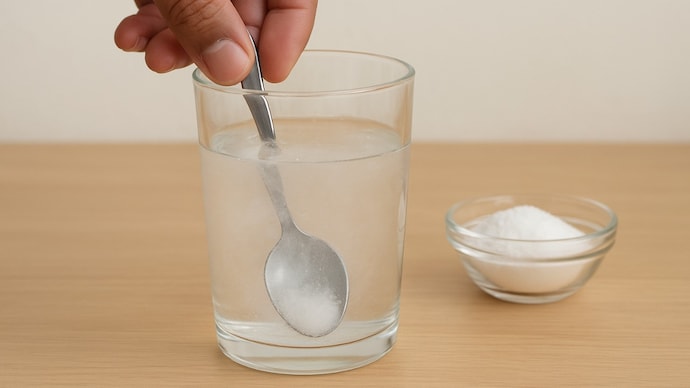

 As summer reaches its peak, hydration becomes more important. If you exercise, play sports, or step out in the sun during a work day, you must have heard about maintaining electrolyte levels.
It’s not an Instagram trend; it’s a crucial need for hydrating the human body. From DIY salt-sugar water to modern and some science-backed drinks, electrolytes have come a long way and earned a reputation.
But do we all need to have electrolytes? Why? When exactly? And is water not enough for hydration? We unpack this and more.
But first, let’s understand what exactly electrolytes are and why they are important.
Electrolytes are essential minerals that help your body function. They are calcium, magnesium, phosphorus, chloride, potassium and sodium. Of these, sodium, potassium, and chloride are the primary electrolytes involved in maintaining fluid balance in the body.
They help move nutrients into cells and help push waste out in addition to managing the amount of water in your body. A human body commonly loses electrolytes through sweat, diarrhoea, or vomiting.
WHO NEEDS ELECTROLYTE DRINKS?
If you are eating a balanced diet and are not involved in extreme physical exercises or stay indoors, you are getting your electrolytes from the food that you eat.
But you need to supplement electrolytes when you are dehydrated or depleting supplements due to sweating or an illness.
Ritika Samaddar, Regional Head, Nutrition and Dietetics, Max Super Speciality Hospital, Saket, noted that when people sweat, they just don’t lose water but also electrolytes.
“People who sweat more, are mostly outdoors in summers, exercise and people who have diarrhoea/vomiting or who feel fatigued very fast are the ones who need electrolytes," said Samaddar.
“When summer heat increases, the need for water and electrolytes increases too, and one needs to keep a check on it," explained clinical nutritionist Ishi Khosla.
She noted that sometimes even having too much caffeine in summer or having too much plain water can lead to increased urination and can deplete electrolyte balance.
According to Ritika Samaddar, urine colour is a good indicator of dehydration; lips shouldn't be dry or chipped. Additional signs of dehydration include headaches and fatigue.
BEST WAY TO REPLENISH?
While one may worry about how to fill in the gap, whole foods, including nuts, and fruits like bananas are a good source of electrolytes, explained clinical nutritionist Ishi Khosla. Also, drinks rich in electrolytes are coconut water and lemonade made with water, sugar and salt.
But if you’re involved in intense exercise or have been sweating profusely due to intense heat, you should replenish with electrolytes that come in powder or drink form.
“When we sweat, we lose not just water but also salt in our sweat. So we need to hydrate ourselves with fluids that have sodium, potassium and chloride," Ritika Samaddar said. She noted that if you sweat more, whether due to exercising, working or stepping out in hot or humid conditions, electrolyte drinks or powders can help you immensely.
Electrolytes, whether they come in powder or bottle form, are said to hydrate the body more effectively and quickly than water alone.
Dr. Sivaranjani Santosh, a Hyderabad-based paediatrician, explained: “The World Health Organisation (WHO) recommends Oral Rehydration Salts (ORS) as the gold standard for treating dehydration, particularly from diarrhoea and that has a specific balance of glucose and salts.”
However, electrolyte-containing sports beverages may have inappropriate levels of sugar and artificial sweeteners and may also have inappropriate levels of sodium that may not rehydrate appropriately.
The high sugar level can worsen diarrhoea, and the artificial sweeteners may, in some cases, occasionally irritate the gut, explained Dr. Sivaranjani.
Thus, make sure that you read the label before gulping down those pre-packaged drinks.
Other flavoured and unflavoured powder mixes are also available, and their main function is to promptly restore mineral and fluid balance and can be used for exercise recovery or hydration, but they should not be used to treat severe dehydration from vomiting or diarrhoea.
It is recommended to combine a sachet containing 21–22 grams with one litre of water and a small sachet of 4.40 g in 200 ml of water (as indicated on the packet).
Experts agreed and advised that one should always use the precise amount of water indicated on the packet. Too much or too little can impact the effectiveness.
AVOID GOING OVERBOARD
Electrolytes are necessary for various bodily functions and imbalance can lead to muscle weakness, cramps, and even seizures.
But overuse is also not a good idea.
According to the American Heart Association, electrolytes do give a charge to your body, but try not to overdo it. The blog post highlights that overuse of electrolyte drinks can be a problem as excess electrolytes can lead to heart rhythm issues, fatigue, nausea and more.
“If you are involved in intense exercise for more than 60 minutes, you can choose to rehydrate yourself with electrolyte drinks, but it is not recommended to consume on a daily basis, especially for children,” said Dr. Sivaranjani.