
'I thought it was nothing': The dangerous trend doctors are noticing
Doctors say patients today are coming in late, with symptoms that don't clearly point to one illness. Experts warn that ignoring early signs and self-diagnosing is making conditions more complicated.
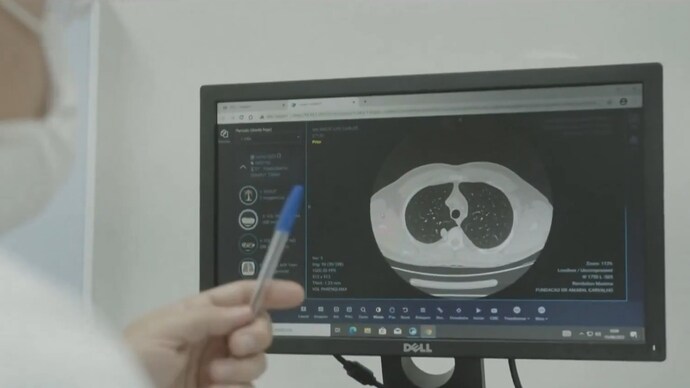

Walk into an outpatient department (OPD) today, and doctors are noticing a worrying pattern: patients are no longer coming in with clear, textbook symptoms. Instead, they often report a mix of vague, overlapping signs that don’t immediately point to a single condition.
A mild fever with fatigue, chest discomfort that feels like acidity, or breathlessness that comes and goes, these “mixed symptoms” are making diagnosis more challenging.
Health experts say this trend is not just about changing diseases, but also about changing patient behaviour.
Delayed consultations, self-medication, and the tendency to ignore early warning signs are leading to more complicated cases. What could have been treated early is now showing up as a more advanced problem.
WHY SYMPTOMS ARE BECOMING MORE CONFUSING
Modern lifestyles are playing a big role in how illnesses are present today. Stress, poor diet, lack of sleep, and sedentary habits are affecting the body in multiple ways at once. As a result, diseases no longer follow a single pattern.
For example, a person with a metabolic disorder may also experience fatigue, digestive issues, and mild breathlessness—all at the same time. This overlap makes it harder for patients to understand what’s really wrong.
THE DANGER OF NORMALISING SYMPTOMS
One of the biggest concerns doctors highlight is that people often dismiss warning signs as “normal.”
Persistent fever is brushed off as a seasonal illness
Chest discomfort is assumed to be gas or acidity
Fatigue is blamed on weakness or overwork
Breathlessness is linked to age or lack of fitness
This habit of self-diagnosing delays proper medical evaluation. By the time patients seek help, the condition may have already worsened.
DOCTOR EXPLAINS WHY DELAYS ARE INCREASING
“Delay in recognising seriousness is one of the most common and concerning patterns we see in OPDs today,” says Dr Rahul Mathur, Department of Internal Medicine, CK Birla Hospitals, Jaipur.
“Many patients come with the statement, ‘I didn’t think it was serious,’ despite having symptoms for days or even weeks. This delay often converts a manageable condition into a complicated one,” he explains.
Dr Mathur adds that many patients rely on over-the-counter medicines or wait for symptoms to go away on their own, which can be risky—especially in cases of infections, heart problems, or metabolic disorders.
WHY INTERMITTENT SYMPTOMS MISLEAD PATIENTS
Another reason behind delayed diagnosis is that symptoms don’t always stay constant. They may improve temporarily, giving a false sense of recovery.
Doctors say this “on-and-off” pattern is common in many conditions. Patients feel better for a few days and assume the problem is gone, only to return later with more severe symptoms.
This is particularly dangerous in illnesses like infections or cardiac conditions, where early intervention can prevent complications.
THE PSYCHOLOGICAL FACTOR BEHIND IGNORING SYMPTOMS
Experts also point to a mental barrier when it comes to seeking medical help.
Fear of diagnosis
Busy schedules
Underestimating health risks
Belief among younger people that serious illnesses won’t affect them
All these factors contribute to postponing doctor visits. Younger patients, in particular, often ignore symptoms, assuming they are too healthy to develop serious conditions.
WHY EARLY CONSULTATION MATTERS
Doctors emphasise that visiting a doctor early does not always mean undergoing heavy treatment. In many cases, it simply leads to reassurance or early-stage management.
Early diagnosis can:
Prevent complications
Reduce the need for hospitalisation
Make treatment simpler and more effective
LISTEN TO YOUR BODY, DOCTORS SAY
The key takeaway from experts is simple: the body rarely gives sudden warnings without earlier signals.
If you notice symptoms, they are:
Persistent
Getting worse over time
Unusual for your body
It’s important to seek medical advice instead of ignoring them.
As Dr Mathur puts it, recognising seriousness early is not about panic—it is about being medically responsible.