
Hedonic eating fuels obesity: Weight-loss drug is not the answer
Hedonic eating leads to overeating and thus obesity. Doctors explain the complexities of obesity and its association with hedonic eating in an interview with India Today.
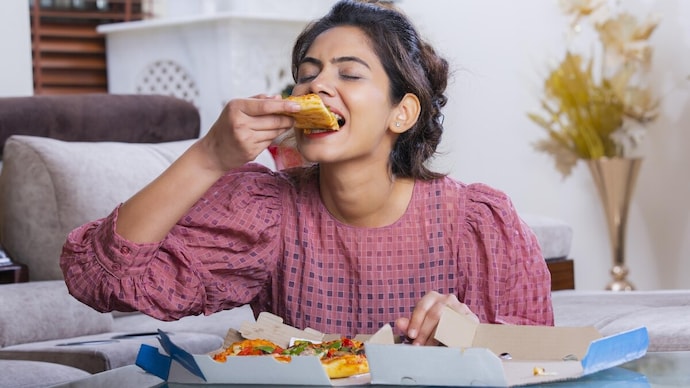

India had 180 million obese adults, the second-highest number globally in 2021, and relying on just weight-loss drugs for treating chronic obesity is misunderstood, experts say. In fact, GLP-1 drugs that suppress appetite and decrease stomach emptying need to be handled with care.
Weight-loss drugs were originally developed to manage blood sugar levels and are now widely known for promoting weight loss, but many questions still remain unanswered, such as whether they're a shortcut to quick weight loss and should they be used for a lifetime.
In an interview with India Today, Dr Abhinav Garg, MBBS, MD (Internal Medicine), Medicutis Clinic, and Dr Pankaj Aneja, Senior Director and Bariatric Physician, Max Superspeciality Hospital, answered these questions.
Dr Garg explained that one needs to understand the reason behind obesity. He noted that sometimes people may have obesity due to certain medications like antidepressants, steroids, or fertility medicines or also due to chronic stress, sleeplessness, anxiety, or depression.
But obesity is also driven by eating even when you are not feeling hungry. It’s called 'hedonic eating', often labelled as 'binge-eating' or 'emotional eating'. He said that “most of the people in the world are eating for hedonism. People eat for pleasure, taste and texture.”
“This pattern of eating helps us identify patients and whether or not medicine-induced weight loss can work for them and how," explained Dr Garg.
Basically, hedonic eating, or emotional eating, is driven by palatability [the pleasure or appetising quality of food] rather than bodily need. This often leads to overeating and contributes to obesity.
Dr Aneja highlighted that “exercise and healthy eating supersede everything when it comes to weight loss. If a patient is able to reduce weight through exercise and eating, then we introduce medication for weight loss."
'OBESITY CANNOT BE TREATED WITHIN FEW MONTHS'
While weight-loss drugs are now affordable, they are not meant for short-term use, for wellness needs or for cosmetic weight loss. People also struggle to understand how long they will have to take it?
Dr Aneja said, “Obesity is a disease. It's an adiposity-borne chronic disease (ABCD). Obesity is not a simple savings bank – not depositing more and withdrawing less (eating more and working out less). “It has something to do with the environment, your socioeconomic status, and genetics. So, it's an interplay of all these things which leads to obesity.”
He highlighted that one needs to counsel the patient; you may have to make them understand that first they need to take care of their diet, second, exercise and last, weight-loss drugs.
He also mentioned that “obesity is not just genetic. Your lifestyle is the trigger.”
If the lifestyle is bad for the entire family, you cannot tell a single person to fix their lifestyle.
Dr Garg added that it takes years to develop a lifestyle and more time to change it. “So a patient needs a whole team – a counsellor, dietitians, lifestyle coaches, a nutritionist, a doctor – all of them to change a person's habit and lifestyle.”
“Because obesity is a chronic disease. It cannot be treated within a few weeks or a few months,” said Dr Garg.