
Insulin pump vs injections: Is diabetes care becoming less stressful?
Wearable insulin pumps are offering many diabetes patients an alternative to daily injections. The devices can improve control for some users.
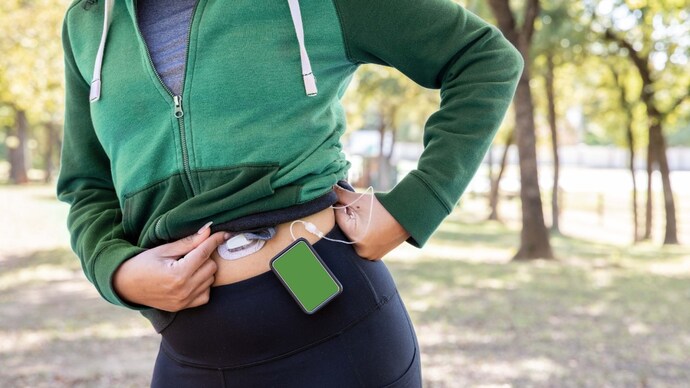

For millions of people living with diabetes, daily insulin injections have long been a part of life. But wearable insulin pumps are now changing how many patients manage their blood sugar levels.
Doctors say insulin pumps can be especially helpful for people with type 1 diabetes, frequent sugar fluctuations, repeated low sugar episodes, or those tired of taking multiple injections every day.
An insulin pump is a small device worn on the body. It gives insulin continuously through a thin plastic tube placed under the skin. The system is designed to closely copy how the body naturally releases insulin.
The pump delivers insulin in two ways. It gives a steady small dose throughout the day, called basal insulin. It also gives extra doses around mealtimes, called bolus insulin.
According to the American Diabetes Association, insulin pumps can continuously release insulin and also provide extra doses before meals to help control blood sugar spikes after eating.
HOW DOES THE PUMP WORK?
The insulin travels through a soft plastic tube called a catheter. A tiny needle helps place the tube into the fatty tissue under the skin, usually on the stomach or arm. This setup is called an infusion set and is taped in place.
Many modern pumps can also connect with continuous glucose monitors (CGMs), devices that track blood sugar levels throughout the day. Some pumps can even automatically adjust insulin delivery based on glucose readings.
Doctors say this may help patients maintain steadier blood sugar levels and avoid sudden highs and lows.
ARE PUMPS BETTER THAN INJECTIONS?
Both injections and insulin pumps can manage diabetes effectively. The choice depends on a person’s lifestyle, comfort and needs.
For some people, pumps make diabetes care easier because they reduce repeated needle pricks and allow more precise insulin dosing. Active people may also benefit because the pump can be adjusted during exercise.
Women planning pregnancy and patients with digestive problems that affect food absorption may also find pumps useful.
However, pumps are not a "set and forget" device. People using them still need to check blood sugar regularly.
If the pump stops working or the tube becomes blocked, blood sugar can rise quickly and lead to diabetic ketoacidosis (DKA), a serious complication.
Pumps can also be expensive, and users need training to use them properly.
Still, experts say newer technologies like insulin pumps and CGMs are making diabetes care more personalised and less stressful for many patients.