
Is honey allowed on a strict sugar-free diet?
Honey is often seen as a natural alternative, but research shows it still behaves like sugar in the body. If you're following a strict sugar-free diet, even this "healthier" option may not fit in.
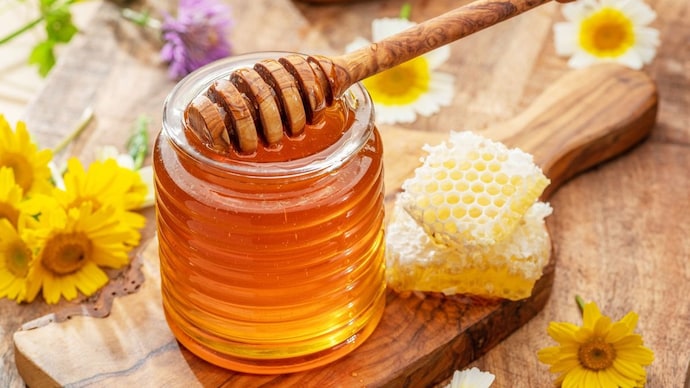

As more people try to cut down on sugar, the focus has shifted to natural alternatives like honey. It is widely used in teas, desserts, and even “healthy” breakfasts, often with the belief that it is better than refined sugar.
But when it comes to a strict sugar-free diet, the question remains: does honey make the cut?
Research suggests that the answer depends on how strict your definition of “sugar-free” is but in most cases, honey is not allowed.
While it may be natural and less processed, honey is still primarily made up of sugars that affect the body in much the same way as regular sugar.
DOES HONEY COUNT AS SUGAR?
From a scientific standpoint, honey is a form of sugar. Studies show that it mainly contains glucose and fructose simple carbohydrates that are quickly absorbed into the bloodstream.
Because of this composition, most strict no-sugar diets classify honey as an added sugar and recommend avoiding it completely.
However, there is a difference between eliminating sugar and reducing intake. Research indicates that people who are only cutting back on refined sugar may include small amounts of natural sweeteners like honey, as long as they are consumed in moderation and counted within daily sugar limits.
IS HONEY HEALTHIER THAN REFINED SUGAR?
Honey does have some advantages over refined sugar. Studies have found that it contains small amounts of antioxidants, enzymes, and trace minerals such as calcium, potassium, and iron.
It is also less processed and has a slightly lower glycaemic index than table sugar, which may lead to a slower rise in blood sugar levels.
However, researchers emphasise that these benefits are relatively minor and do not change its overall impact on the body.
In terms of calories and carbohydrate content, honey is still very similar to sugar. Excess intake can contribute to weight gain and metabolic problems.
HOW DOES HONEY AFFECT BLOOD SUGAR?
Scientific evidence shows that honey raises blood glucose levels due to its glucose and fructose content. While the spike may be slightly slower compared to refined sugar, the result is still an increase in blood sugar.
This makes portion control important, especially for people managing diabetes, insulin resistance, or weight loss.
From a metabolic perspective, the body processes honey much like any other sugar. This means it cannot be consumed freely, even if it is natural.
WHAT CAN YOU USE INSTEAD?
Studies suggest that the most effective way to reduce sugar intake is not to replace it with another sweetener, but to gradually reduce the overall preference for sweetness.
Some alternatives that may help include:
Low-calorie sweeteners like stevia or monk fruit
Naturally sweet foods like fruits (dates, bananas, apples)
Spices such as cinnamon, cardamom, and vanilla for added flavour
These options can help reduce dependence on sugar without significantly affecting blood glucose levels.
Honey may be natural, but it is still sugary. Research clearly shows that it behaves similarly to refined sugar in the body.
For those on a strict sugar-free diet, it is best avoided. However, if the goal is simply to reduce refined sugar intake, small amounts of honey can be included occasionally within limits.
In the long run, experts and studies agree: the key is to cut down on overall sweetness, rather than switching from one form of sugar to another.