
 Handcrafted ByOur Editors
 Why is anaemia data missing from government health survey?
Anaemia data has been left out of the NFHS-6 fact sheets, raising concern. Health experts say the omission could weaken tracking of programmes aimed at tackling one of India's biggest public health concerns.
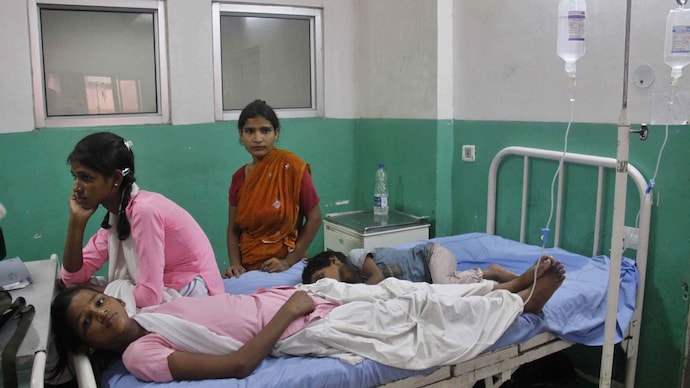
NFHS-5 found that 57% of women aged 15-49 years and 67.1% of children aged 6-59 months were anaemic. (Photo: Getty Images)

New Delhi,UPDATED: Jun 6, 2026 10:00 IST
Anaemia, one of India's biggest public health challenges, has disappeared from the National Family Health Survey-6 (NFHS-6) fact sheets, triggering concern among health experts who say the omission could make it harder to assess whether government interventions are working.
The absence is striking because the previous survey, NFHS-5, had reported worsening anaemia levels despite the government's Anaemia Mukt Bharat programme, launched by Prime Minister Narendra Modi to tackle iron deficiency among women and children.
NFHS-5 found that 57% of women aged 15-49 years and 67.1% of children aged 6-59 months were anaemic. The prevalence had increased from the previous survey. Anaemia among women rose from 53.1% to 57%, while among children it increased from 58.6% to 67.1%. Among pregnant women, the figure climbed from 50.4 per cent to 52.2 per cent.
WHY WAS ANAEMIA REMOVED?
While the exact reason is unknown, a report by South First reveals that anaemia was not measured in NFHS-6 after experts raised concerns about the testing method used in earlier surveys.
Previous rounds relied on finger-prick blood samples, known as capillary blood testing, which some experts believe can overestimate anaemia prevalence. Instead, they recommended venous blood testing, which involves drawing blood from a vein and is considered more accurate.
Data based on this method is expected to be released through the Diet and Biomarker Survey conducted by the National Institute of Nutrition.
However, the change comes with a major drawback.
Since the methodology has changed, future estimates cannot be directly compared with NFHS-5 findings.
Poonam Muttreja, Executive Director of the Population Foundation of India, said methodological improvements are important, but they should not create gaps in tracking a major health problem.
Calling anaemia "one of the serious public health problems in India", she said programmes such as Anaemia Mukt Bharat require "regular, comparable and publicly available data" to evaluate whether interventions are making a difference.
If the methodology changes, she added, bridge estimates should be provided so that trends can still be tracked over time.
MORE SUPPLEMENTS, BUT NO OUTCOME DATA
Ironically, while anaemia prevalence is missing, NFHS-6 continues to report data on iron-folic acid supplementation during pregnancy. The survey shows improvements in the number of mothers who consumed supplements for more than 100 days and more than 180 days.
Several states have also moved towards intravenous iron treatment for women with severe anaemia and those in late pregnancy.
But experts say service delivery data alone cannot tell whether anaemia levels are actually declining.
Muttreja warned that the risk is anaemia could become less visible in policymaking "precisely when it needs more attention". She noted that the condition affects maternal health, birth outcomes, child development, learning ability, productivity and long-term wellbeing.
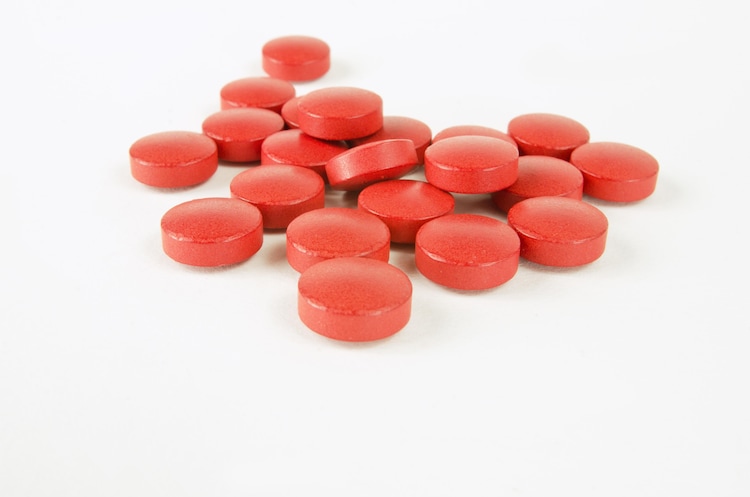
Administrative records may show how many tablets are distributed, but population surveys reveal whether people's health is improving. "What doesn't get counted also does not get done," she said.
SEVERAL KEY INDICATORS ABSENT
Anaemia is not the only missing indicator in the NFHS-6 fact sheets.
Population-level statistics such as sex ratio and sex ratio at birth have also been left out. These are available through the Sample Registration System, whose latest report estimates the sex ratio at birth at 918 girls per 1,000 boys.
Data related to sanitation and cooking fuel use, important indicators linked to the Swachh Bharat Mission and Ujjwala Yojana, have also been excluded despite questions being asked during the survey.
The fact sheets are also missing data on screening for breast, cervical and oral cancers. This comes despite the government upgrading more than 1.5 lakh Ayushman Arogya Mandirs to provide screening and care for non-communicable diseases.
A 2024 NITI Aayog report found cancer screening uptake remained poor, while NFHS-5 showed that only 0.9% of eligible individuals had undergone screening for breast and oral cancers and 1.9% for cervical cancer.
WHY IS THIS CONCERNING?
The government has indicated that some indicators may have been excluded because they are available through other surveys or administrative systems.
Muttreja said that explanation is understandable, but NFHS plays a unique role because it combines health, nutrition, fertility, gender and household indicators in one nationally comparable survey.
Indicators such as HIV awareness, cancer screening and infant mortality are not isolated numbers, she said.
Together, they help policymakers understand how health systems are performing and where inequalities remain.
"If key indicators are split across multiple surveys, it becomes harder to build a coherent picture of progress," she said.
WHAT TO WATCH FOR IN THE FULL REPORT
Experts are not yet calling the omissions a shift in health priorities. They say the changes may reflect methodological revisions or a phased release of findings.
However, the detailed NFHS-6 report will be closely watched. Stakeholders will be looking for whether the missing indicators are included in the full report, whether methodological changes, especially for anaemia, are clearly explained, and whether the new data remains comparable with earlier NFHS rounds.
For a country where millions of women and children continue to face anaemia, the concern is not just about missing data.
It is about losing the ability to measure progress against one of India's most persistent nutrition challenges.
- Ends