
World less prepared for next pandemic despite COVID-19: WHO report
A new report by the Global Preparedness Monitoring Board under the WHO and World Bank has warned that the world is becoming more vulnerable to future pandemics despite the lessons of COVID-19. It says weaker cooperation, unequal access and funding gaps are eroding global health security.
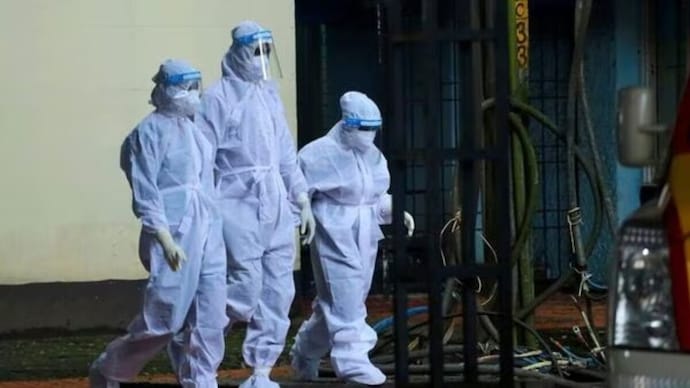

 As the world battles yet another threat of a deadly disease with parts of Central Africa struggling with a fresh Ebola outbreak and continues to confront recurring threats such as hantavirus, mpox and avian influenza, a new global report has warned that countries are becoming increasingly vulnerable to future pandemics despite lessons from COVID-19.
The Global Preparedness Monitoring Board (GPMB), an independent body backed by the World Health Organisation (WHO) and the World Bank, says infectious disease outbreaks are now not only more frequent but also more destructive, with governments and health systems less capable of recovery than a decade ago.
It comes just a day after the WHO declared the latest Ebola outbreak, driven this time by the less-understood Bundibugyo strain, in the Democratic Republic of Congo (DRC) and Uganda, a public health emergency of international concern (PHEIC).
In its latest report, A World on the Edge: Priorities for a Pandemic-Resilient Future, released on the sidelines of the 79th World Health Assembly, the GPMB said years of investment in pandemic preparedness have failed to keep pace with rapidly growing risks.
According to the report, geopolitical tensions, climate-linked ecological disruption, rising global mobility and declining international development funding are undermining global health security.
RISING GLOBAL RISKS
The report reviewed a decade of major PHEICs, including Ebola in West Africa in 2014-2016 and 2019-20, COVID-19 and mpox.
It found that although new systems and initiatives were created after the COVID-19 crisis, the global response to outbreaks remains deeply unequal.
One of the starkest findings concerns access to vaccines and medicines. Mpox vaccines reached low-income countries nearly two years after the outbreak began – even slower than the delayed rollout of COVID-19 vaccines, which took around 17 months to reach many poorer nations.
The Board warned that the world is “moving backwards” on equitable access to diagnostics, vaccines and treatments.
The report also highlighted how outbreaks are increasingly damaging democratic institutions and public trust.
Both Ebola and COVID-19 triggered political polarisation, attacks on scientific institutions and widespread misinformation, effects that continue long after the immediate health emergency has passed.
For India, the findings carry significant relevance.
The country experienced one of the world’s largest COVID-19 outbreaks and remains highly vulnerable to future pandemics due to its dense population, rapid urbanisation and large internal migration networks.
Public health experts have repeatedly warned that disease surveillance, rural healthcare infrastructure and emergency financing mechanisms require substantial strengthening.
TRUST AND EQUITY
The GPMB said the next pandemic could hit a world that is “more divided, more indebted and less able to protect its people” than during COVID-19. The report stressed that preparedness is no longer only a health issue but also a political and economic challenge.
“The world does not lack solutions,” said GPMB co-chair Kolinda Grabar-Kitarovi. “But without trust and equity, those solutions will not reach the people who need them most.”
The Board also examined the growing role of artificial intelligence and digital technologies in pandemic preparedness.
While AI tools could improve disease surveillance and early-warning systems, the report cautioned that weak governance and unequal access to technology may deepen existing health inequalities and compromise health security.
GPMB co-chair Joy Phumaphi has warned that worsening global cooperation could leave all countries exposed. “Preparedness is not only a technical challenge – it is a test of political leadership,” she said.
The report outlined three immediate priorities for governments. First, it called for a permanent independent mechanism to monitor pandemic risks globally.
Second, it urged countries to finalise the proposed WHO Pandemic Agreement aimed at ensuring fairer access to vaccines, diagnostics and therapeutics.
Third, it stressed the need for stronger financing for preparedness and rapid emergency response measures.
The Board’s mandate is due to conclude in 2026, but its final reports are expected to shape ongoing negotiations at the WHO and the United Nations on pandemic prevention and response frameworks.