
Sitting on the toilet for over 15 minutes daily? Doctors warn against this habit
Scrolling through social media while sitting on the toilet may seem harmless, but doctors warn it can negatively affect digestive health. Experts say prolonged toilet sitting and unnecessary straining can increase the risk of piles, constipation and anal fissures.
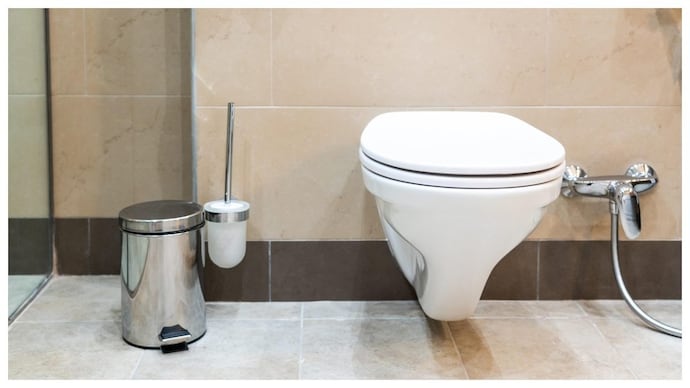

For many people today, using a mobile phone while sitting on the toilet has become a daily habit. Whether it is watching reels, replying to messages, reading news updates or endlessly scrolling through social media, the bathroom has quietly turned into another screen-time zone.
What may feel like a quick moment of relaxation or multitasking, however, could be silently affecting digestive health.
Doctors are now raising concerns over the growing trend of spending long periods on the toilet while using mobile phones. According to health experts, prolonged sitting on the toilet can increase pressure around the rectal area, raising the risk of piles, also known as haemorrhoids.
The problem becomes worse when people continue sitting even after they have finished passing stool, simply because they are distracted by their phones.
Dr Veerendra Sandur, Consultant-Medical Gastroenterology, Manipal Hospital Kanakapura Road, explains that the human body is not designed to sit on a toilet seat for extended periods. Ideally, bowel evacuation should take around 10 to 15 minutes.
Spending much longer than that can put unnecessary strain on the veins and pelvic muscles around the rectum and anus.
Experts also point out that prolonged toilet sitting can worsen constipation-related problems and may eventually lead to pain, itching, bleeding and discomfort during bowel movements. Along with digestive concerns, mobile phone use inside washrooms may also increase exposure to bacteria and germs.
HOW SITTING TOO LONG ON THE TOILET AFFECTS THE BODY
Doctors explain that when a person sits on the toilet for too long, pressure builds up in the veins around the rectum. Over time, this pressure may cause the veins to swell, resulting in piles or haemorrhoids.
Piles can lead to symptoms such as:
Pain during bowel movements
Itching around the anal area
Swelling and discomfort
Bleeding while passing stool
Health experts say that one of the biggest problems today is that people remain seated on the toilet even after they are done, mainly because they are distracted by mobile phones.
WHY MOBILE PHONES MAKE THE PROBLEM WORSE
Using phones in the washroom often increases toilet time without people realising it. A person may sit for several extra minutes watching videos or scrolling through apps, which increases pressure on the lower rectal veins.
Doctors also warn against unnecessary straining. Many people try to force bowel movements while sitting for too long. This excessive pressure on pelvic muscles can worsen constipation and increase the risk of:
Piles
Anal fissures
Rectal discomfort
Chronic bowel issues
According to experts, toilet habits play a major role in long-term digestive health.
INDIAN TOILETS MAY HELP IN CHRONIC CONSTIPATION
Dr Sandur notes that Indian-style toilets may be more beneficial for people who suffer from chronic constipation. The squatting position can support easier bowel movements by improving rectal alignment and reducing strain during evacuation.
However, experts clarify that regardless of the toilet type, spending excessive time inside the washroom should still be avoided.
HOW LONG SHOULD YOU SIT ON THE TOILET?
Doctors recommend completing toilet activities within five to ten minutes whenever possible. Instead of forcing bowel movements or sitting for longer periods with a mobile phone, people should focus on naturally improving digestive health.
Experts advise:
Eating fibre-rich foods
Drinking plenty of water
Exercising regularly
Avoiding excessive straining
Maintaining a fixed toilet routine
These habits may help improve bowel movement naturally and reduce constipation.
MOBILE PHONES IN WASHROOMS CAN ALSO SPREAD GERMS
Apart from digestive concerns, doctors also warn that mobile phones used inside toilets can collect harmful bacteria and germs from restroom surfaces and air particles.
Since phones are frequently touched throughout the day and rarely cleaned properly, they may become carriers of bacteria, increasing hygiene-related risks.
YOGA AND LIFESTYLE CHANGES CAN HELP
For people struggling with chronic constipation, doctors recommend lifestyle improvements along with physical activity. Yoga postures such as Malasana may help improve bowel movement and reduce pressure during evacuation.
Experts also recommend:
Increasing daily fluid intake
Eating more fruits, vegetables and fibre
Avoiding prolonged sitting
Reducing screen time in the washrooms
Using a mobile phone on the toilet may seem like a harmless habit, but doctors say it can contribute to piles, constipation and other digestive problems over time.
The combination of prolonged sitting, unnecessary straining and poor toilet habits may negatively impact gut health in the long run.
Experts stress that maintaining healthy bowel habits, limiting toilet time and focusing on hydration, fibre intake and physical activity can go a long way in supporting better digestive health.