
Diabetes in your 20s triples death risk, raises lifetime complications: Study
A landmark study found that Indians diagnosed with type 2 diabetes in their 20s face a far steeper lifetime health burden. The findings also point to earlier complications and highlight the role of lean diabetes and CIRDD in younger onset.
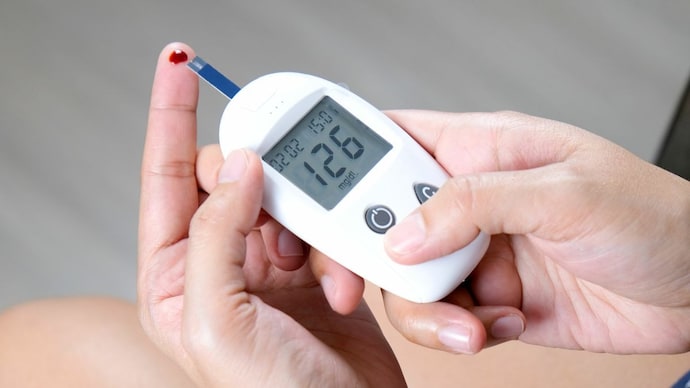

 For years, clinicians and researchers have suspected that diabetes occurring at younger ages can have more serious consequences. A new landmark study focusing on younger patients has now confirmed it.
Indians diagnosed with type 2 diabetes in their 20s face nearly three times the mortality risk of those without diabetes and stand to lose approximately 24.5 disability-adjusted life years (DALYs) over their lifetime, according to a study led by the Emory Global Diabetes Research Centre (EGDRC).
DALY is a measure of years of “healthy” life lost to illness, disability, or premature death, and reflects the true burden of a disease. Diabetes is a chronic condition characterised by high blood sugar (glucose) resulting from insufficient insulin production or ineffective insulin use.
The study was based on 21,574 South Asian participants over a median follow-up of 8.7 years. It includes a cohort of about 10,000 participants under the Centre for Cardiometabolic Risk Reduction in South Asia (CARRS), spanning two Indian cities – Delhi and Chennai.
The findings, published in Diabetes Research and Clinical Practice, were analysed by researchers associated with the Madras Diabetes Research Foundation (MDRF), the Centre for Chronic Disease Control in Delhi, the All India Institute of Medical Sciences (AIIMS), New Delhi, and the Atlanta-based Emory University.
The findings come amid growing concern over the massive public health challenge posed by diabetes in India. In 2021, nearly 10.1 crore people in the country were classified as diabetic, while 13.6 crore were categorised as prediabetic – a precursor to the disease.
Increasingly, type 2 diabetes – mainly linked to lifestyle factors such as obesity and inactivity, apart from family history – is also being seen in youngsters and children under 18 years of age.
“The results show that if you compare a 20-year-old with type 2 diabetes and see how long they will live and what their quality of life will be compared to a non-diabetic or even a 60-year-old person with the disease, there will be a huge difference,” Dr V Mohan, diabetologist scientist, head of MDRF and co-author of the study, told India Today.
When people develop diabetes under the age of 30 or even 40, they also tend to develop serious cardiovascular conditions faster, apart from kidney disease and vision-related issues.
YOUNGEST HIT HARDEST
A worrying concern, said Dr K M Venkat Narayan, executive director of EGDRC and co-author of the study, is that diabetes is occurring at younger ages in India compared to many other countries, especially in Europe.
The results showed that diagnosis at a younger age was associated with progressively higher mortality risk. Adjusted hazard ratios, or relative risk of death, were 2.98 for diagnosis between the ages 20–29 years, 2.28 at 30–39 years, 1.73 at 40-59 years, and 1.61 at 60 years and older.
Projected lifetime DALYs ranged from 24.5 years for those diagnosed between ages 20–29 years to 5.5 years for diagnosis after age 60, with similar gradients observed for cardiovascular events.
According to Dr Mohan, cardiovascular disease events such as heart attacks and strokes are increasingly occurring in younger people with diabetes, the latest study reveals.
Earlier work by Dr Mohan’s team and other diabetes researchers has also shown that retinopathy, kidney disease, and neuropathy rates are higher among those diagnosed at a younger age.
“There are quite a few reasons behind that,” said Dr Mohan. “First, they have more severe diabetes — and that’s why they get it at a younger age. Secondly, in most cases, they also have a stronger family history of diabetes, which is why they develop it earlier.
Thirdly, and most importantly, such patients have a much longer duration of diabetes. “And the longer you live with the disease, the more complications you are likely to have,” he underlined.
INDIA'S LEAN DIABETES PUZZLE
Though a very high number of people in India now have obesity and diabetes simultaneously, a significant proportion of Indians with type 2 diabetes – who make up nearly 90 percent of all diabetes cases – are thin and have a low body mass index (BMI).
Researchers have identified a distinct subtype of diabetes seen in Indians who, despite low body weight, suffer from both insulin deficiency – when the pancreas produces too little insulin – and insulin resistance, where the body’s cells fail to respond effectively to insulin.
This combination results in high blood sugar levels even in lean individuals, leading researchers to coin the term “lean diabetes.”
This kind of diabetes, often seen in younger individuals, may be triggered by factors such as diets high in refined carbohydrates, low physical activity, and genetic predisposition.
Very often, these patients have a type of diabetes classified as Combined Insulin Resistant and Deficient Diabetes (CIRDD).
According to Dr Mohan, CIRDD patients have the lowest age of onset, the highest triglyceride levels, and the lowest HDL cholesterol levels.
What stands out in these patients is the coexistence of insulin deficiency and insulin resistance – where the pancreas fails to produce enough insulin while the body’s cells also stop responding to it.
CIRDD is often seen at a younger age and, to a large extent, offers clues as to why many Indians develop diabetes earlier than other population groups.