
Over 1.5 million children die of contaminated food globally each year: WHO
The WHO says children under five face nearly three times the risk of illness from unsafe food. Young children are particularly vulnerable because their immune systems are still developing.
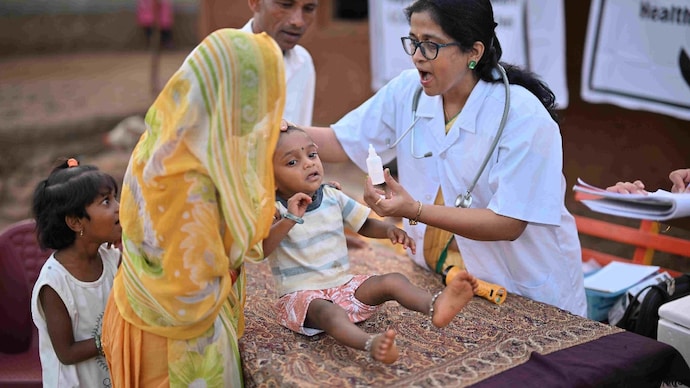

Children under the age of five face nearly three times the risk of falling ill from unsafe food compared to older children and adults, according to new estimates released by the World Health Organisation (WHO).
Although children under five make up just 9% of the world's population, they account for almost one-third of all foodborne diseases globally.
Many of these illnesses are diarrhoeal diseases, which can be life-threatening in young children.
The new WHO estimates reveal the massive global burden of contaminated food. In 2021 alone, unsafe food caused around 866 million illnesses and 1.5 million deaths worldwide, many of which could have been prevented through better sanitation, safer food handling practices, access to clean water and timely healthcare.
CHILDREN PAY THE HIGHEST PRICE
The new report says that young children are particularly vulnerable because their immune systems are still developing.
Beyond infections caused by bacteria, viruses and parasites, children also face risks from harmful chemicals found in food. Exposure to substances such as lead and methylmercury can damage the developing brain and result in lifelong neurological and developmental problems.
WHO warned that chemical contamination is often overlooked but can have serious long-term consequences, especially during early childhood.
CHEMICAL CONTAMINANTS LINKED TO MOST FOOD-RELATED DEATHS
While biological hazards such as bacteria, viruses and parasites accounted for most foodborne illnesses, chemical contaminants were responsible for the majority of deaths.
According to the report, chemical hazards accounted for 73% of all deaths linked to contaminated food in 2021.
The biggest culprits were inorganic arsenic and lead, which together contributed to a large share of food-related deaths by increasing the risk of heart disease, stroke and cancers.
WHO estimates that exposure to inorganic arsenic was linked to 42% of these deaths, while lead exposure accounted for another 31%.
"Food safety is not an abstract issue, it touches every meal, every family, every day," said WHO Director-General Dr Tedros Adhanom Ghebreyesus.
"Unsafe food has always been a major public health concern, but until now we lacked the bigger picture of its staggering human and economic toll. These new estimates change that," he added.
AFRICA AND SOUTH-EAST ASIA BEAR THE HEAVIEST BURDEN
The report found major inequalities in food safety across the world.
Although the overall burden of foodborne diseases has declined since 2000, Africa and South-East Asia continue to suffer the highest number of illnesses and deaths. Together, the two regions account for nearly three-quarters of all foodborne illnesses and around 60% of food-related deaths globally.
WHO said people living in low-resource settings are disproportionately affected because of poor sanitation, unsafe food systems and limited access to healthcare.
UNSAFE FOOD COSTS THE GLOBAL ECONOMY BILLIONS
The impact of foodborne diseases extends beyond health.
WHO estimates that contaminated food resulted in nearly US$ 310 billion in lost productivity in 2021, largely because people were unable to work while sick.
When adjusted for differences in living costs across countries, the economic losses rise to an estimated US$ 647 billion.
A GROWING CHALLENGE
The new analysis is the most comprehensive assessment of foodborne diseases to date. It examined 42 major foodborne hazards, including bacteria, viruses, parasites and chemical contaminants, across 194 countries between 2000 and 2021.
Researchers say emerging challenges such as climate change, environmental pollution and antimicrobial resistance are making food safety more difficult to manage.
The health agency says that with better data now available, countries can identify the biggest food safety threats and target interventions where they are needed most.