
Why Suvendu Adhikari govt is redrawing West Bengal's OBC list
In May 2024, the Calcutta HC scrapped OBC certificates issued after 2010 and directed the Trinamool government to frame fresh rules in line with national norms
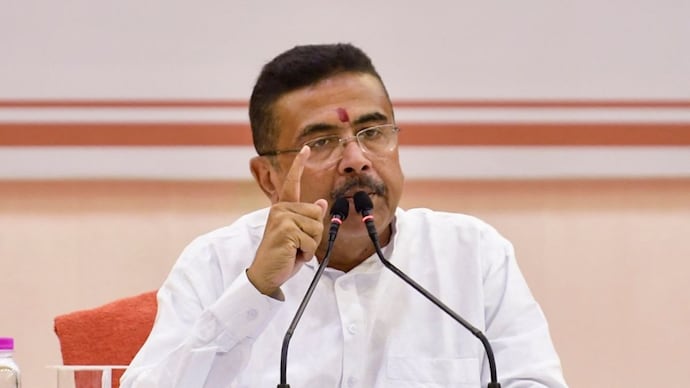

 The Suvendu Adhikari cabinet in West Bengal on May 18 approved a proposal to redraw the OBC (Other Backward Classes) list, a move that could fundamentally alter the structure of reservation in the state in the backdrop of the Calcutta High Court last year striking down all OBC classifications made after 2010.
“The cabinet approved a proposal to work on the list of OBC sub-castes, as directed by the Calcutta High Court in May 2024,” minister Agnimitra Paul said after the cabinet meeting.
On May 19, the government issued a notification that scraps the OBC A and B sub-categories, the 17 per cent reservation and the existing list of communities. So, effectively, there are 66 OBC communities in Bengal now, with 7 per cent reservation and no sub-categories.
In May 2024, the Calcutta High Court had scrapped all OBC certificates issued in Bengal after 2010 and directed the Mamata Banerjee government of the time to frame fresh rules in line with national norms before issuing any new certificates.
Officials in the backward classes welfare department said the latest cabinet decision appears to effectively restore the pre-2010 framework of OBC recognition in the state. “The state’s OBC list has been scrapped. However, the details will become clearer once the official documents are available. But from what it currently appears, only the 66 communities that had been recognised as OBCs between 1993 and 2010 will remain on the list. And with the abolition of the A and B categories, it seems there will now be only a single 7 per cent reservation quota,” a senior department official said.
The controversy over Bengal’s OBC list has its roots in the final years of the Left Front government. “The erstwhile Left Front government had in 2010 included 53 Muslim sub-castes, accounting for 87.1 per cent of the state’s more than 20 million Muslim population, in the OBC category ahead of the 2011 assembly polls,” an official said. “At the time, OBC reservation in government jobs was increased from 7 per cent to 17 per cent.”
After coming to power in 2011, the Trinamool Congress government expanded the list further by including additional Muslim sub-castes and continued issuing OBC certificates under the revised framework. The state later challenged the high court’s 2024 verdict before the Supreme Court.
However, senior officials indicated that the new BJP administration led by chief minister Suvendu Adhikari may now seek permission from the apex court to withdraw that appeal altogether.
The backward classes welfare department has already initiated a sweeping verification exercise. Recently, it directed district magistrates to re-verify all caste certificates issued after 2011. According to the order, nearly 4.8 million OBC certificates were issued in Bengal after 2011, including 864,000 applications processed through the Mamata government’s Duare Sarkar (government at your doorstep) camps.
“All these OBC certificates will now be considered invalid. The new government will verify all the documents submitted by people from the sub-castes since 2010 and take a fresh call on their inclusion in the OBC category,” a source in the department said.
The latest cabinet decision may also shut the door on a fresh round of applications that had begun after the high court ruling. “After all OBC classifications were struck down in the 2024 case, a fresh verification process was conducted. Out of the 113 communities whose status had been cancelled, 76 were recognised again. Later, the high court said fresh applications would have to be heard. When applications were invited, around six or seven communities applied. Following today’s decision, it appears those applications no longer have any future, and all of them effectively stand cancelled,” another official in the department said.
The development is likely to trigger both political and legal debate in Bengal, particularly because the scrapped categories overwhelmingly affected Muslim communities.
Meanwhile, Paul also clarified that beneficiaries excluded from electoral rolls would still be eligible for the state’s Annapurna Bhandar scheme if they had applied for citizenship under the Citizenship Amendment Act or challenged their deletion before tribunals.
Subscribe to India Today Magazine