

Japan bans Indian mangoes after pest-control lapses found at export facilities
Japan has suspended Indian mango imports after inspections flagged lapses at export treatment centres. The move hits peak-season shipments and adds pressure on growers already facing steep crop losses.
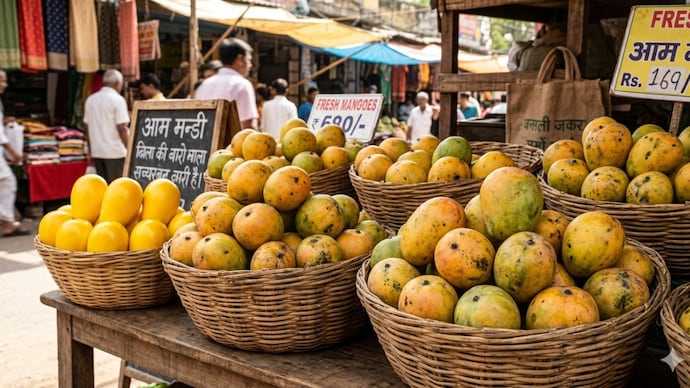


Japan has halted mango imports from India after quarantine officials flagged deficiencies in pest-control procedures at Indian export treatment centres, dealing a blow to shipments during the peak summer mango season.
The suspension affects premium Indian varieties including Alphonso, Kesar, Langra and Banganapalli, which are exported to Japan under strict phytosanitary rules. Japanese authorities are learnt to have raised concerns over whether Indian consignments were fully complying with the country's plant health standards.
According to a report by Economic Times, inspectors from Japan found operational irregularities at vapour heat treatment (VHT) facilities in India during inspections conducted earlier this year. These facilities are tasked with disinfecting mangoes before export to ensure they are free from pests such as fruit flies.
Japan follows a zero-tolerance policy towards invasive pests, particularly fruit flies, which are considered a serious threat to its domestic agriculture sector.
Following the inspection, the Yokohama Plant Protection Association reportedly informed importers that Indian mango shipments carrying inspection certificates issued after March 25, 2026, would no longer be accepted.
The decision marked Japan's first major restriction on Indian mango imports in nearly 20 years. Tokyo had previously imposed a similar ban over fruit fly infestations and lifted it only in 2006 after India upgraded its treatment and certification systems.
While Japan is not among India's largest overseas mango markets, the suspension is being viewed as a reputational setback for Indian agricultural exports. Multiple reports suggested that exporters fear the move could trigger wider scrutiny over India's quality-control mechanisms and export compliance standards in other international markets as well.
The timing has further worsened concerns for mango growers, particularly in Maharashtra's Alphonso belt, where farmers are already battling severe crop losses linked to extreme heat and erratic weather associated with the El Nino climate pattern.
Government-backed assessments in some regions have estimated losses between 85 and 90 per cent this season.
India remains the world's largest mango producer, with annual production touching nearly 28 million metric tonnes, though a significant share is consumed domestically.
Indian authorities and exporters are expected to engage with Japanese regulators to resolve the issue. Experts said that India may now need tighter monitoring at treatment facilities, stronger documentation practices and stricter pest-control compliance measures to restore access to the Japanese market quickly.
Meanwhile, neither Indian nor Japanese authorities have publicly detailed the precise technical shortcomings detected during the inspections.