

Punjab introduces menstrual health curriculum in 3,600 government schools
Punjab has rolled out a menstrual hygiene curriculum in government schools to build stigma-free learning spaces, with 7,200 trained teachers set to begin sessions from May 29 across 23 districts.
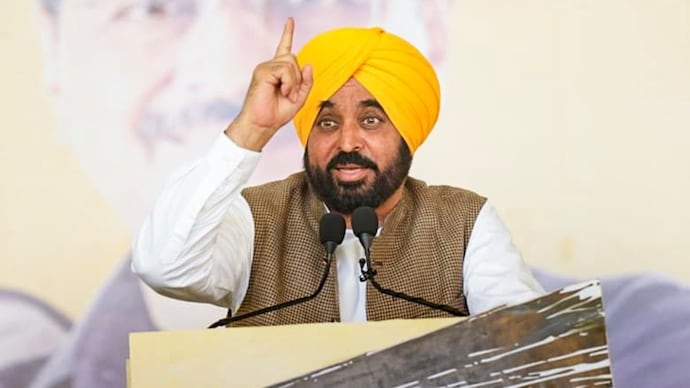


The Punjab Government has launched one of India’s largest school-based menstrual health education initiatives, rolling out a structured curriculum across 3,600 government schools to benefit over 3.4 lakh adolescent girls.
Announced on the occasion of Menstrual Hygiene Day on May 28, the statewide expansion of the “Menstrual Hygiene Curriculum” will be implemented in government high and senior secondary schools across all 23 districts of Punjab.
The first classroom sessions are scheduled to begin on May 29, 2026, marking the formal rollout of the initiative for students from Classes VI to X.
Officials said the programme is aimed at building a stigma-free, inclusive and informed learning environment where menstruation does not become a barrier to education, confidence or participation. The initiative is being positioned as a key pillar of the government’s broader “Period Friendly Punjab” campaign.
The curriculum, developed in Punjabi, is delivered through interactive storytelling centred on a main character, Ruby, supported by guided classroom discussions and participatory activities.
According to officials, the sessions focus on helping students understand menstruation and bodily changes, improving hygiene practices and strengthening confidence and self-esteem, while also fostering supportive peer environments in schools.
To ensure effective rollout, around 7,200 teachers across the state have been trained to conduct the sessions sensitively and confidently. The training programme included preparation of 100 State Resource Persons as Master Trainers, followed by cascade training across districts.
The government said the large-scale expansion is backed by results from a pilot programme conducted in over 100 government schools across all 23 districts, involving more than 45,000 students.
In the pilot, 97% of teachers reported confidence in delivering the curriculum, while 94% recommended statewide expansion. Around 88% found it more effective than earlier approaches, and 80% observed active student participation.
Teachers involved in the pilot said the curriculum helped break long-standing taboos around menstruation and encouraged open discussion in classrooms.
“It creates safe spaces for girls to ask questions and reduces stigma,” said Jaspreet Kaur, a teacher from Faridkot.
Students also reported increased awareness and confidence. A Class IX student from Sangrur said she now understands menstruation as a normal biological process, while others noted that the sessions helped them discuss the topic openly at home and in school.
Officials said the initiative reflects the government’s commitment to ensuring dignity, equality and better health awareness for adolescent girls, and forms part of wider education reforms focused on student wellbeing, infrastructure and modern learning practices across Punjab schools.