
Why cashew prices differ so much in Delhi, Mumbai and Surat
Cashew prices are not the same across India. Supply chains, imports, processing centres, transport costs and local demand all affect how much consumers pay in different cities.
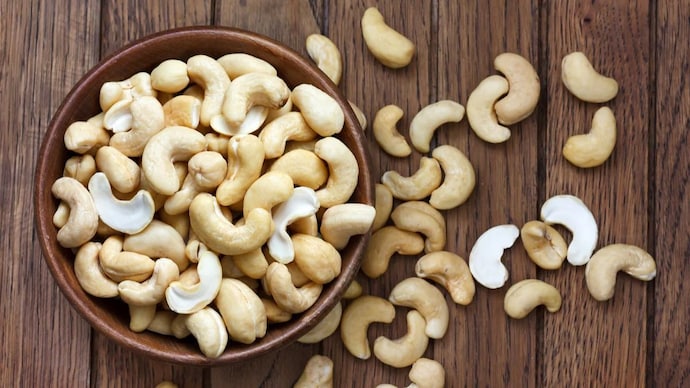

Anyone shopping for dry fruits regularly may have noticed one thing, cashew prices can vary sharply from city to city. A packet of cashews sold at one price in Mumbai may cost much more in Delhi or Surat even during the same week.
The reason is simple: cashew pricing in India depends heavily on imports, processing centres, transport costs and local market demand. Unlike packaged products with fixed national pricing, dry fruits such as cashews are influenced by regional supply chains and wholesale market conditions.
WHY MUMBAI OFTEN GETS BETTER RATES
Mumbai plays a major role in India’s dry fruit trade because of its ports and import networks. A large quantity of raw and processed cashews enters India through western coastal routes before reaching wholesale markets.
Since imported stock reaches Mumbai first, transport and handling costs are usually lower there compared to cities farther away. This often allows traders in Mumbai to sell cashews at more competitive prices.
DELHI FACES HIGHER TRANSPORT COSTS
Delhi depends heavily on supplies transported from ports, processing centres and wholesale dry fruit markets located in other states.
By the time cashews reach the capital, additional logistics costs such as fuel, storage and transport handling are already added to the price.
Retail rents and strong demand in urban markets also push prices upward.
SURAT’S ROLE IN THE TRADE
Surat has become an important business and trading hub with strong demand for premium dry fruits. The city also benefits from Gujarat’s strong trade connections and proximity to western ports.
However, prices in Surat can still fluctuate depending on wholesale arrivals, festive demand and the quality of cashews available in local markets.
IMPORTS PLAY A BIG ROLE
India imports a large quantity of raw cashews from countries such as Ivory Coast, Tanzania and Vietnam for processing and retail sale.
Global supply conditions, shipping costs and currency exchange rates directly affect Indian market prices. If imports become expensive, retail prices rise in almost every city, though not always equally.
QUALITY CHANGES THE PRICE
Cashews are sold in different grades based on size, colour and quality. Premium whole cashews cost far more than broken or smaller pieces.
In some cities, cheaper rates may simply mean lower-grade stock is being sold. Meanwhile, premium markets may offer better-quality cashews at higher prices.
FESTIVE SEASON IMPACT
Demand for dry fruits rises sharply during festivals, weddings and gifting seasons. Cities with stronger gifting markets often witness faster price increases during festive periods.
Retailers also adjust prices depending on local buying trends and competition.
KEY FACTORS THAT CHANGE CASHEW PRICES ACROSS CITIES
WHY THE SAME PRODUCT COSTS DIFFERENT
Even if the cashews come from the same imported shipment, the final retail price changes depending on city-specific expenses. Transport, storage, local taxes, retail margins and demand all influence the final amount consumers pay.
That is why Delhi, Mumbai and Surat can all sell the same dry fruit at completely different prices on the same day.
ALSO READ: 7 Dry Fruits and Nuts You Should Always Soak Before Eating
Cashew prices are a reminder that food and dry fruit markets in India work through local supply chains rather than one fixed national rate.
Cities closer to ports or major wholesale hubs usually enjoy lower prices, while distant cities often pay more because of transport, handling and retail costs.