
How kings and maharajas kept palaces cool without AC or coolers
Before ACs and coolers existed, Indian kings relied on clever architecture, water systems and natural airflow to beat the summer heat. Many of these ancient cooling methods are now inspiring sustainable modern design.
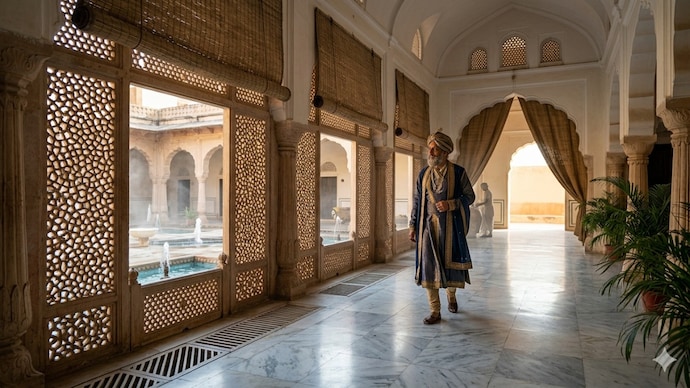

Today, surviving Indian summers without an AC feels almost impossible. But centuries ago, kings and maharajas lived comfortably in massive palaces without electricity, fans or coolers. Their secret was not modern technology but smart architecture and natural cooling methods.
From thick sandstone walls to hidden water channels, ancient Indian palaces were designed to stay cool even during extreme heat.
Many of these ideas are now inspiring modern architects searching for eco-friendly and sustainable cooling solutions.
PALACES WERE BUILT NEAR WATER AND GREENERY
Kings often chose locations near lakes, ponds, gardens and hills to build their palaces. Water bodies naturally cooled the surrounding air, while gardens helped reduce heat and improve moisture in the atmosphere.
Large fountains were also placed between palace courtyards. As wind passed through water, the air became cooler before entering the rooms. Mughal palaces even used large water vessels indoors to keep temperatures pleasant.
WIND CATCHERS WORKED LIKE NATURAL AC
Ancient palaces in hot regions used “wind catchers”, also called Baadgir. These were tall rooftop structures designed to trap cool wind and push it inside buildings.
The system worked using natural airflow. Hot air rose and escaped through upper openings, while cooler air moved into the rooms below. This created constant ventilation without any machine or electricity.
The idea is believed to have originated in Yazd, Iran, and later became part of palace architecture in desert regions.
THICK WALLS BLOCKED SUMMER HEAT
One of the smartest cooling tricks was the use of thick walls made from mud, limestone, sandstone and brick.
These materials slowed down heat transfer and kept interiors cool during the day. At night, they helped maintain balanced temperatures indoors.
Sandstone, commonly used in many forts and palaces, naturally stayed cooler in summer and warmer in winter.
JALI WINDOWS IMPROVED AIRFLOW
Traditional jali windows and jharokhas were not just decorative. These carved lattice screens allowed fresh air to flow inside while reducing direct sunlight.
The design created natural cross-ventilation and helped hot air escape. Famous structures like Hawa Mahal in Jaipur still show how effective this technique was in Rajasthan’s harsh climate.
Today, jali architecture is making a comeback in sustainable building design.
STEPWELLS AND WATER CHANNELS KEPT PALACES COOL
Stepwells, also known as baolis or vavs, acted like natural cooling zones. The cool air around these deep water structures helped lower nearby temperatures.
Some palaces also had hidden clay pipes built inside walls and ceilings. Water continuously flowed through these channels, cooling the stone surfaces from within.
Structures like Lotus Mahal in Hampi and Agra Fort used these advanced water systems centuries before modern air conditioning existed.
HIGH CEILINGS AND CHAJJAS HELPED VENTILATION
Palaces also featured high ceilings, open courtyards and airy verandas. Since hot air rises, taller rooms stayed cooler at living level.
Sloping sunshades called chajjas blocked direct sunlight while still allowing air circulation. They also protected walls during heavy monsoon rain.
ALSO READ: Are Rs. 1000 mini ACs worth the hype?
WHY THESE COOLING METHODS MATTER TODAY
As temperatures rise and electricity use increases, architects are once again studying ancient Indian cooling methods.
Passive cooling techniques such as jalis, courtyards and water-based ventilation reduce energy use and work with nature instead of against it.
Long before ACs arrived in India in 1930, ancient builders had already mastered the art of staying cool using airflow, water and smart construction.
Their ideas continue to offer lessons for sustainable living in today’s hotter world.