
PAN rules change from April 1: How to apply, new documents required, key details
New PAN rules will come into effect from April 1, bringing major changes to application and usage. Here's a simple guide to what documents you need and where PAN is now mandatory.
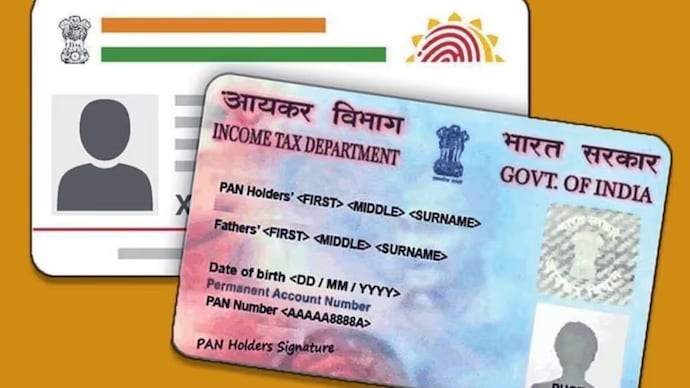

From April 1, new rules related to the Permanent Account Number (PAN) will come into effect, affecting how people apply for the card and where it must be used.
These changes aim to make the system more transparent, strengthen identity verification, and streamline financial tracking.
PAN is an essential document for financial transactions in India. Whether it is filing income tax returns, opening a bank account, or making high-value purchases, PAN plays a key role.
With the new rules, the government is tightening the application process and revising thresholds for its mandatory use.
Citizens planning to apply for a new PAN card or update existing details should take note of these changes. Authorities have also advised completing pending PAN-related work before the deadline to avoid inconvenience.
PAN CARD APPLICATION RULES FROM APRIL 1
The process of applying for a PAN card will become more detailed from April 1.
Earlier, an Aadhaar card alone was sufficient for a PAN application in many cases. However, under the new rules, applicants will need to provide additional documents to verify identity and date of birth.
DOCUMENTS REQUIRED MAY INCLUDE:
Birth certificate
Voter ID
Passport
Driving licence
Matriculation certificate
Affidavit issued by a magistrate
Another important change is that the name on the PAN card must match exactly with the name on the Aadhaar card. This step is aimed at reducing discrepancies in official records.
In addition, the existing PAN application forms will be replaced with new updated forms, making the process more structured.
Applicants can continue to apply or update PAN details through:
Protean (formerly NSDL eGov) portal
UTI Infrastructure Technology and Services Limited (UTIITSL)
Income Tax Department’s e-filing website
PAN CARD USAGE RULES: WHAT CHANGES FROM APRIL 1
The government has also revised the rules regarding where PAN must be used. These changes affect banking, property, insurance, and high-value purchases.
- DEPOSITS AND WITHDRAWALS
PAN will now be required if the total deposits or withdrawals in a year reach 10 lakh or more. Earlier, a PAN was needed for cash deposits of 50,000 in a single day.
- BUYING VEHICLES
Under the new rules, a PAN will be required only if the vehicle costs more than 5 lakh. Earlier, PAN was needed for most vehicle purchases regardless of value.
- INSURANCE POLICIES
PAN will now be mandatory at the start of any insurance policy, irrespective of the premium amount. Previously, it was required only if the annual premium exceeded 50,000.
- PROPERTY TRANSACTIONS
The threshold for mandatory PAN in property deals has been increased.
- Old rule: Required for transactions above 10 lakh
- New rule: Required for transactions above 20 lakh
- HOTEL, RESTAURANT AND EVENT BILLS
For cash payments, PAN will now be required if the bill exceeds 1 lakh. Earlier, the limit was 50,000.
WHY THESE CHANGES MATTER
The revised PAN rules are aimed at improving financial transparency and reducing the chances of tax evasion.
By increasing documentation requirements and updating transaction thresholds, the system becomes more robust and better aligned with current financial practices.
Linking PAN details closely with Aadhaar and making its use mandatory in key transactions will also help authorities maintain accurate records.
WHAT YOU SHOULD DO
Apply or update your PAN details before April 1 if possible
Keep necessary documents ready for new applications
Ensure your PAN and Aadhaar details match
Be aware of new limits where PAN is required
KEY TAKEAWAYS
New PAN rules come into effect from April 1
More documents required for PAN application
PAN must match Aadhaar details
New thresholds for banking, property, insurance, and bills
PAN becomes mandatory in more financial activities.
These changes mark an important shift in how PAN is used in everyday financial transactions. Staying informed will help you avoid delays and ensure smooth compliance with the new rules.