
What is 'office air'? The viral trend behind tired faces
A viral social media trend has given a name to the drained look many employees notice after office hours. The discussion links air conditioning, screen fatigue, harsh lighting and stress to a wider sense of burnout.
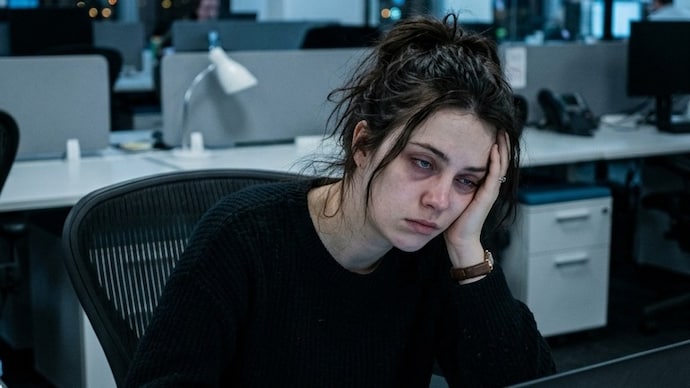

Ever looked fresh before leaving for work but completely drained by the time you return home? Social media users are calling this phenomenon “office air," a viral trend that perfectly describes how offices somehow make people look tired, dull, and emotionally exhausted.
From dry skin and dark circles to lifeless hair and low energy, employees online claim office spaces are secretly ruining their glow. The trend has exploded across TikTok, Instagram, and X, where people are posting dramatic “before office” versus “after office” photos that many working professionals instantly relate to.
Also read: https://indiatoday.tech/information/story/what-is-dosa-called-in-english-explained-2913919-2026-05-19
WHAT EXACTLY IS ‘OFFICE AIR’?
“Office air” is not an official medical term. It is an internet phrase used to describe the physical and mental exhaustion people feel after spending long hours inside office environments.
Many employees say they start the day looking energetic and refreshed, but after hours of sitting under artificial lights, staring at screens and working in air-conditioned rooms, they end up looking completely different by evening.
WHY DOES OFFICE AIR MAKE PEOPLE LOOK SO TIRED?
There is no single reason behind it. Experts believe a combination of workplace conditions and lifestyle habits may be responsible.
Constant exposure to AC can reduce moisture in the skin, making the face appear dull, flaky, and dehydrated.
Many people also complain about dry eyes and chapped lips after sitting in the office AC for long hours.
Most office jobs involve staring at laptops for hours. This can lead to eye strain, headaches, and dark circles, making people appear more tired than they actually are.
Blue light exposure may also affect sleep quality, especially for those working late shifts.
Artificial lighting affects your look
Harsh white office lights often make skin look pale and washed out. Unlike natural sunlight, indoor lighting can make tiredness more visible on the face.
Stress shows on the face
Deadlines, meetings, emails, and constant multitasking can increase stress levels throughout the day. Stress often reflects physically through dull skin, tired eyes, and low energy.
SOCIAL MEDIA USERS ARE OBSESSED WITH THE TREND
The term has become extremely relatable online because many people feel the same way after work.
Credits: Instagram
Some users joke that office air “steals their beauty,” while others compare their office version to their weekend version. The trend has sparked funny memes, relatable reels, and discussions about burnout culture.
IS ‘OFFICE AIR’ ACTUALLY REAL?
While “office air” itself is a viral internet term, experts say indoor environments can genuinely affect mood, skin and overall wellbeing.
Poor ventilation, dehydration, lack of movement, screen fatigue and stress may collectively contribute to that exhausted office look.
HOW TO FIGHT THE EFFECTS OF OFFICE AIR
Drink more water
Hydration helps prevent dryness caused by air conditioning and long work hours.
Take screen breaks
Following the 20-20-20 rule may help reduce eye strain and fatigue.
Keep a face mist or moisturiser
Hydrating skincare products can help refresh the skin during work hours.
Step out for sunlight
Short outdoor breaks may improve mood and reduce the feeling of being trapped indoors.
Sleep properly
Good sleep plays a major role in preventing tired-looking skin and burnout.
WHY THE TREND FEELS SO RELATABLE
The rise of “office air” reflects how modern work culture affects both physical appearance and mental health. In an era of long screen hours and busy schedules, many professionals feel constantly drained and the internet has finally found a name for it.
For countless employees, “office air” is more than just a meme. It is a very real feeling they experience every single workday.