
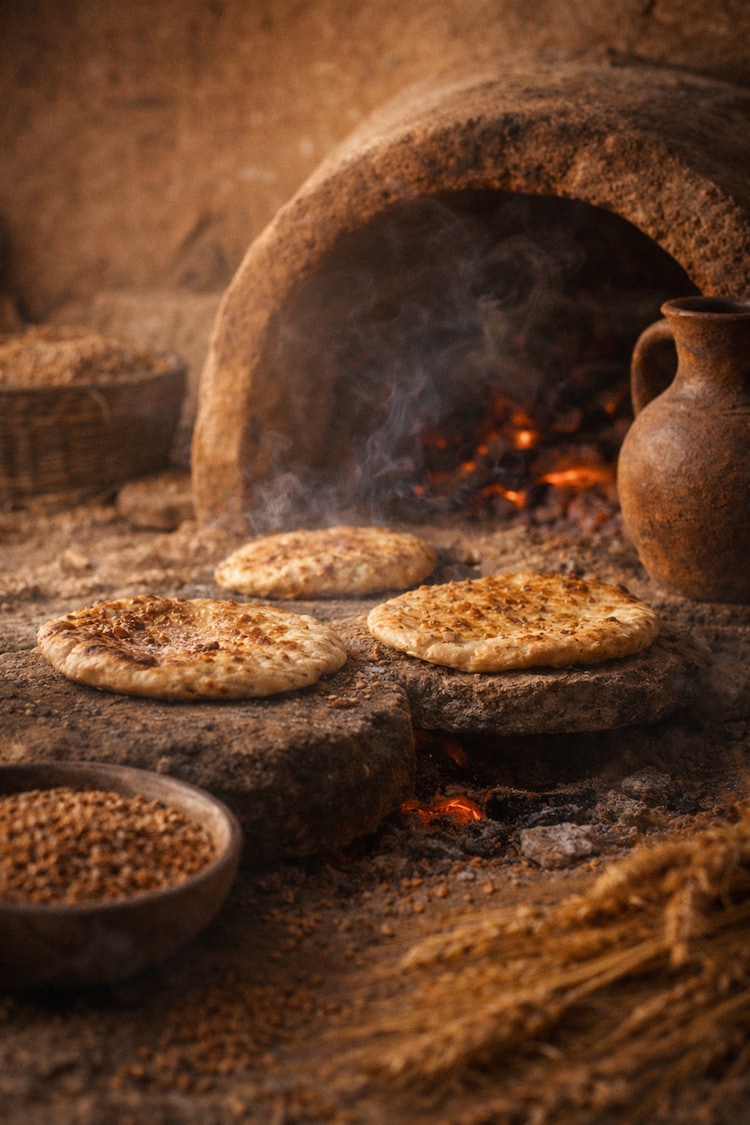
What was the original pizza base and where did it come from?
Pizza's base has evolved from ancient flatbreads to India's cheese-loaded pan pizzas. This change reflects cultural preferences and a balance between comfort and tradition.
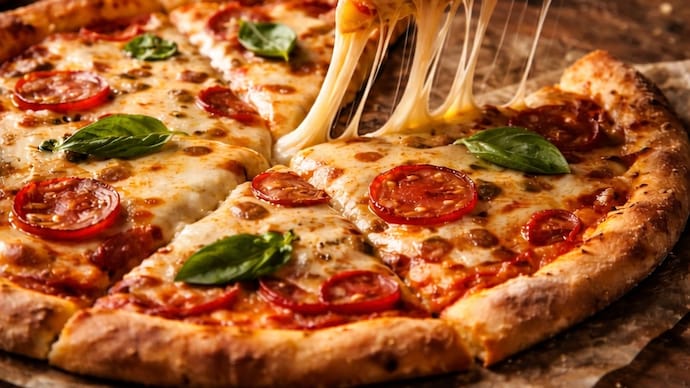
Pizza’s base has evolved from ancient flatbreads to India’s cheese-loaded pan pizzas.(AI image)

New Delhi,UPDATED: Mar 31, 2026 16:56 IST
I was holding a slice of pizza when the question hit me: why does this bread look nothing like the pizza I once ate in Italy?
It was thick, heavy, overflowing with cheese. Comforting, yes but unfamiliar.
That moment sent me down a rabbit hole that began not in a modern kitchen, but centuries ago, with flatbread and fire.

BEFORE PIZZA WAS PIZZA, IT WAS JUST BREAD
“Pizza’s journey has always been about evolution. While it started as a simple flatbread, every market has adapted it to reflect local tastes and preferences. In India, the love for richer, more indulgent flavours has naturally led to heavier, cheese-forward versions,” says Mr, Jerry Thomas, Culinary Head, Bharti Family Office’s hospitality and dining platform
Rather than seeing this as a departure from its roots, the shift is better understood as adaptation. “I wouldn’t call it a shift away from authenticity it’s more about localisation. At its core, pizza remains the same comfort food, just expressed differently across cultures.”
The growing popularity of gourmet pizza also signals a parallel trend. “With the growth of the gourmet pizza category, authenticity of ingredients is at the forefront and the audience for it is growing.”
To address this, the brand offers multiple base options. “The Romana is our thinnest and crispiest option, staying closest to a traditional Roman-style base. The Classic base offers a softer, more balanced texture, while the Naples base brings a light, airy crust with a softer centre.”
The menu also reflects a shift towards mindful indulgence. “Our Leggera range is positioned as a lighter option, ideal for when you want something fresh yet still satisfying.”
This flexibility allows brands to stay rooted in tradition while offering diverse choices. “This approach allows us to stay true to our roots while giving consumers the flexibility to choose between light, classic, and more indulgent styles, without compromising on quality.”
NAPLES: WHERE PIZZA FINALLY FOUND ITS NAME
Everything changed in Naples, Italy. By the 18th century, poor workers needed food that was cheap, fast, and filling. Bakers stretched fermented dough thin, baked it in wood-fired ovens, and topped it with tomatoes.
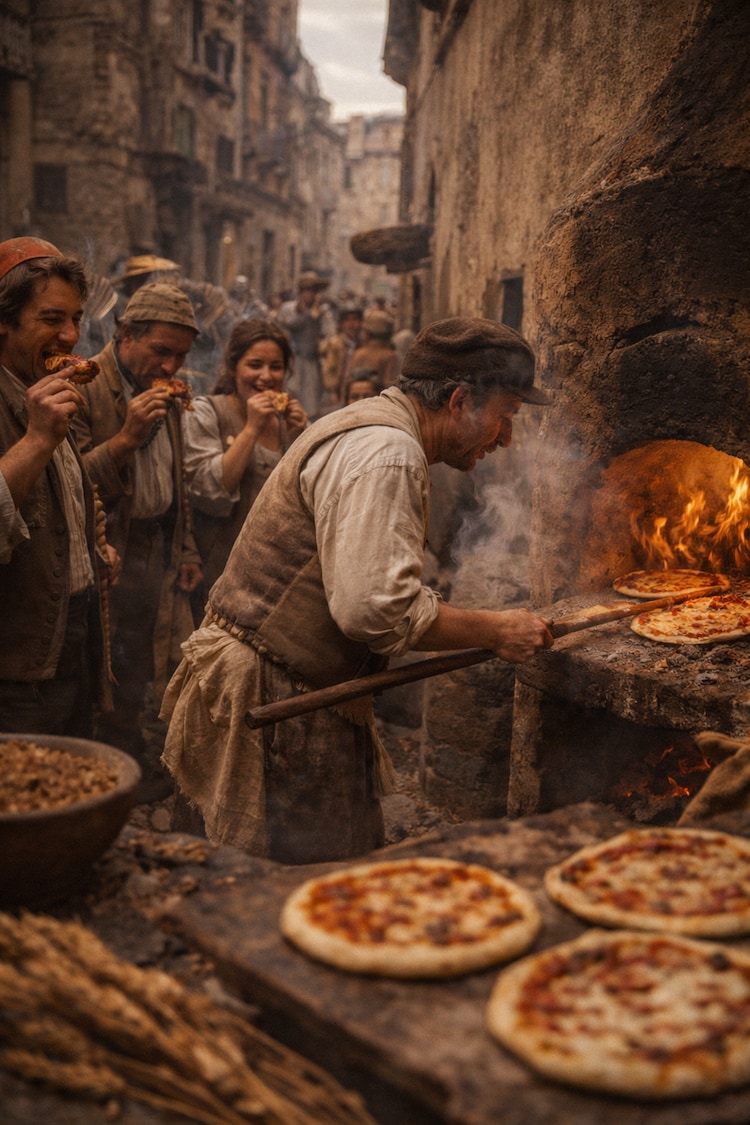
The base mattered. It had to be thin, airy, and quick-cooking. Pizza was eaten on the streets, folded, shared. It was never meant to be heavy.
This thin crust wasn’t a trend it was logic.
WHEN THE WORLD GOT HOLD OF PIZZA
Pizza travelled with Italian immigrants to America, and that’s where I noticed the first major shift. The base became thicker. Cheese increased. Portions grew.
Pizza stopped being street food and started becoming a meal.
Pan pizzas, deep-dish pizzas, and stuffed crusts weren’t accidents they were cultural responses to appetite, abundance, and expectation.
WHEN PIZZA ENTERED INDIA, EVERYTHING CHANGED AGAIN
Pizza came to India in the 1990s, and we did what we always do we made it our own.
Indian food culture values heaviness, fullness, and flavour.
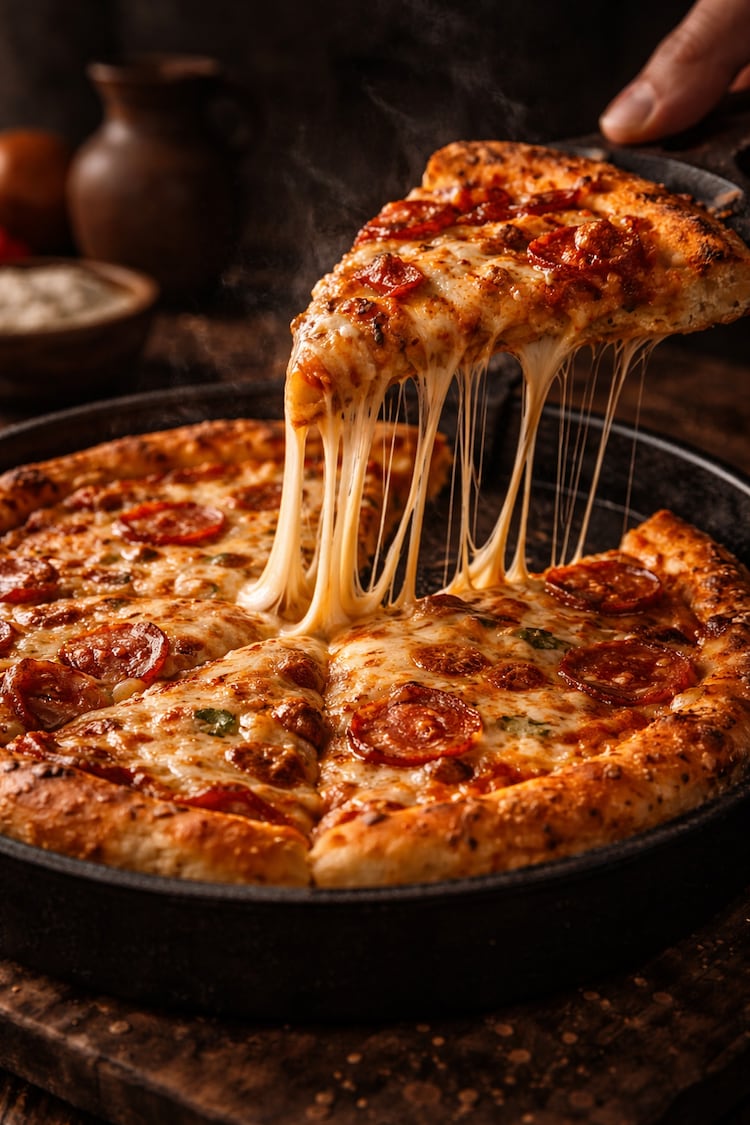
A thin crust felt incomplete. So the base evolved. It grew thicker. Softer. Cheesier.
Pan pizza didn’t just succeed in India it made sense.
WHY INDIA FELL IN LOVE WITH THICK CRUST AND CHEESE BURST
As an Indian eater, I understand this deeply. A pizza had to feel like a proper meal. More bread meant more value. More cheese meant satisfaction.
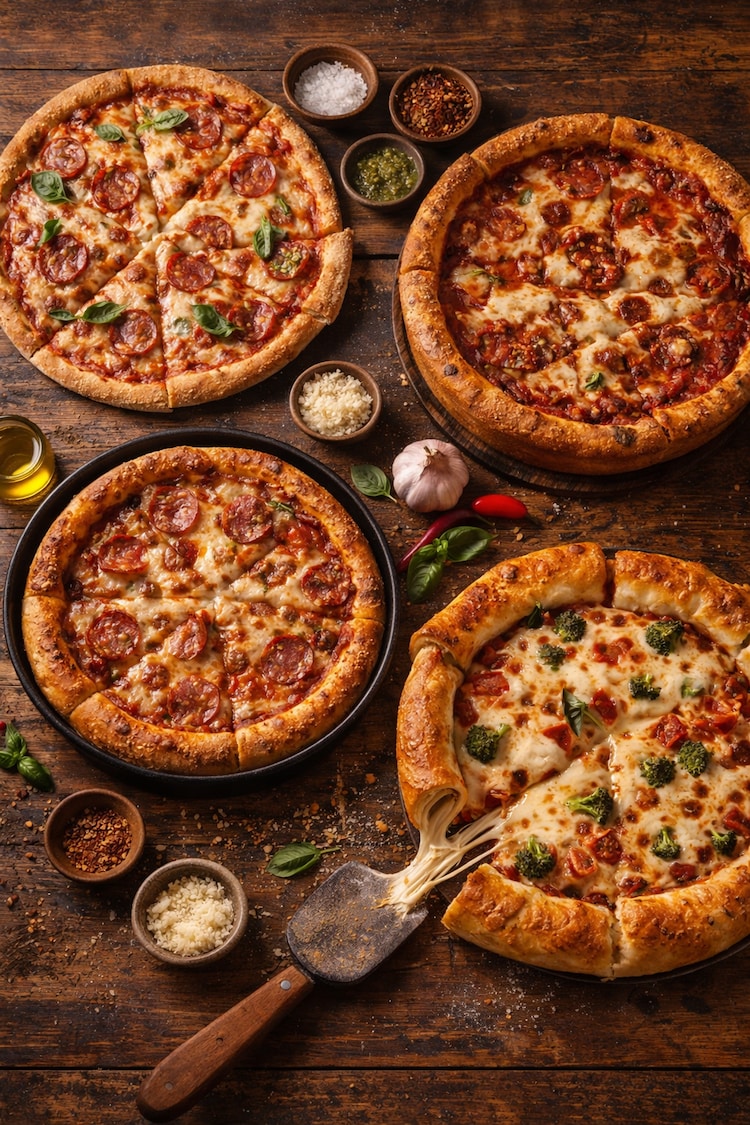
This gave birth to:
Pan pizza
Cheese burst bases
Paneer-loaded crusts
Butter-heavy doughs
Authenticity took a backseat. Comfort took the lead.
BUT SOMETHING IS CHANGING NOW
In recent years, I’ve noticed a quiet shift. Thin crust pizzas are returning this time with better understanding.
Urban India is rediscovering:
Sourdough bases
Hand-tossed thin crusts
Lighter pizzas that don’t overwhelm
It’s not about copying Italy anymore. It’s about balance.
THE BASE TELLS THE REAL STORY OF PIZZA
What struck me most was this: pizza’s base reflects who we are.
Thin crust speaks of speed and simplicity.
Pan pizza speaks of comfort and abundance.
India’s pizza base tells a story of adaptation, not imitation.
WHY PIZZA WILL NEVER HAVE ONE “REAL” BASE
There is no single correct pizza base. There never was.
Pizza survives because it changes. It listens. It absorbs culture just like bread absorbs heat.
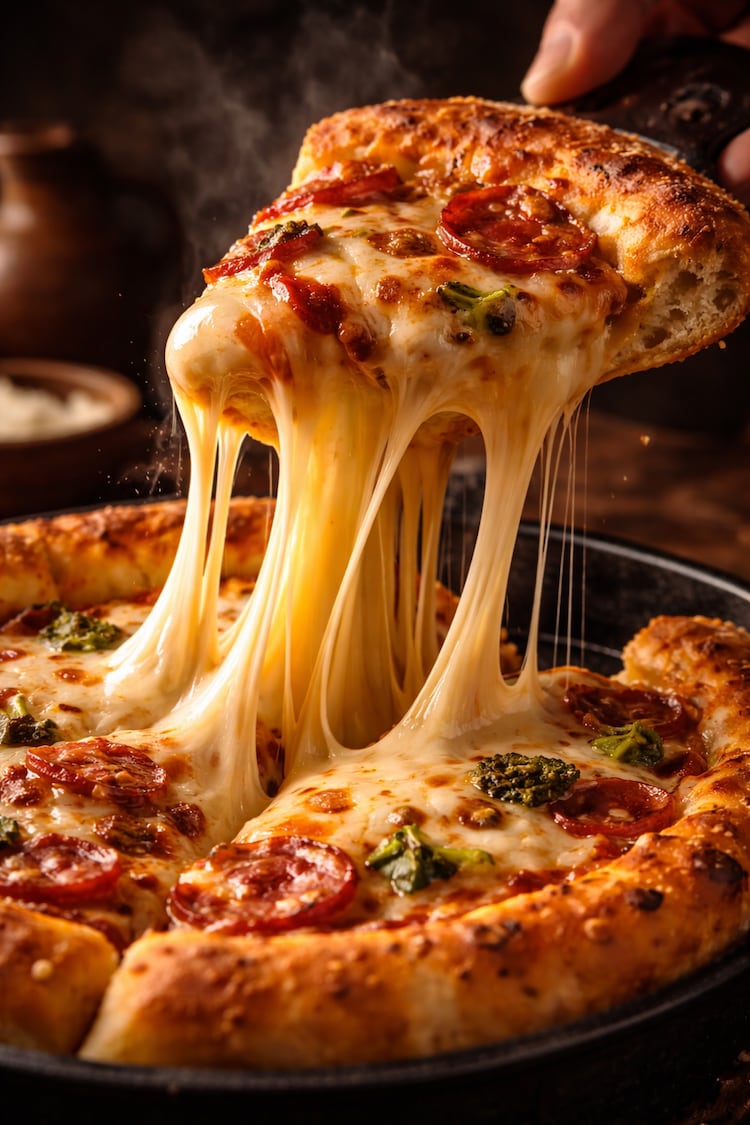
From ancient flatbreads to India’s cheese-loaded pan pizzas, pizza has always belonged to the people eating it.
And maybe that’s why, wherever I am in the world, one slice still feels like home.
- Ends