
Why street food costs more in metro cities
Street food in metro cities is no longer always cheap. Rising rent, fuel prices, labour costs and premium locations are making even simple snacks noticeably more expensive.
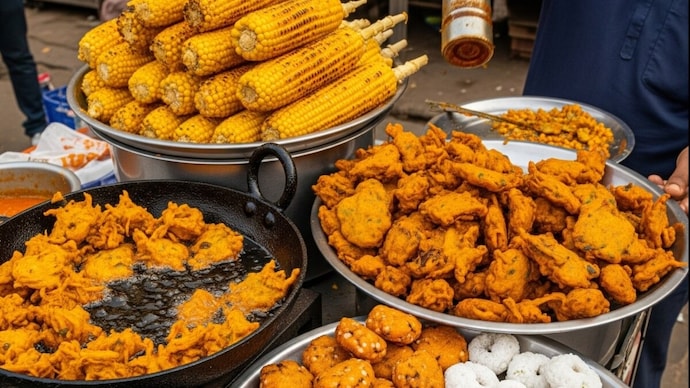

Street food has long been seen as the cheapest way to grab a quick meal, but that is slowly changing in India’s metro cities. In places like Delhi, Mumbai, Bengaluru and Pune, even simple items such as tea, momos, rolls and chaat are becoming more expensive.
Vendors say the reason is straightforward: running a food stall in a big city now costs far more than before.
From rising rent and fuel prices to labour shortages and expensive commercial locations, the pressure on vendors eventually reaches the customer’s plate.
As a result, street food in metros is beginning to feel less like a budget option and more like an informal fast-food experience.
WHY METRO STREET FOOD COSTS MORE
One of the biggest reasons is location. Food stalls in metro cities usually operate in crowded markets, office zones and transport hubs where space is expensive and demand is high.
Vendors often pay more for small kiosks or roadside spots compared to sellers in smaller towns.
Fuel costs have also become a major issue. Many street food vendors rely on commercial LPG cylinders, and rising prices have increased operating expenses. Some sellers have even introduced temporary surcharges or reduced menu items to manage costs.
LABOUR AND LOGISTICS ADD PRESSURE
Running a busy food stall in a metro city often requires extra workers, longer hours and faster ingredient supply chains.
Labour costs are higher in urban areas, especially during late-night operations or peak office hours. Frequent restocking of ingredients, transport charges and delivery costs also increase the final food price.
In addition, vendors in many cities now deal with licensing, registration and local compliance costs that add to everyday expenses.
CUSTOMERS ARE WILLING TO PAY MORE
Another reason prices rise in metros is customer behaviour. Many urban customers are willing to spend more for convenience, hygiene and trendy food experiences.
As street food stalls become more organised and social-media friendly, vendors are able to charge higher rates than traditional roadside carts in smaller cities.
This shift has changed the image of street food in some urban areas, especially in popular food districts and nightlife zones.WHY STREET FOOD IS GETTING COSTLIER
STREET FOOD IS NO LONGER ALWAYS CHEAP
Recent surveys and reports show that food inflation and rising utility costs continue to affect small food businesses across India.
ALSO READ: Europeans mimic Indian street food vendors. Video makes Internet laugh out loud
For vendors, increasing prices is often less about profit and more about survival in expensive urban markets.
The result is simple: when rent, fuel, labour and supply costs rise, the price of street food rises too.