
Why are highway signboards green and not red, yellow or blue? Explained
Ever wondered why highway signboards are green? The answer lies in science, driver psychology and international road safety standards that make navigation easier and safer.
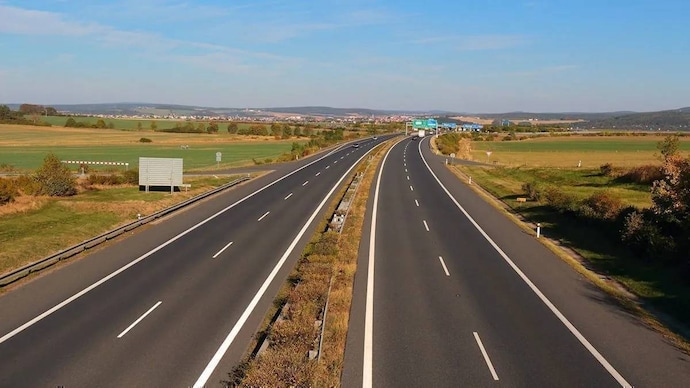

If you've ever driven on a highway, you've probably noticed that most directional signboards are green. Whether it's a national highway in India or an interstate route abroad, the colour remains largely the same. This isn't a coincidence.
Green signboards are used because they are easier for drivers to read, cause less eye strain and help people process information quickly while travelling at high speeds.
The colour has become an international standard for highway navigation and plays a key role in road safety.
WHY HIGHWAY SIGNBOARDS ARE GREEN
Traffic experts and road planners use green for directional signs because it offers strong contrast with white lettering, making information easy to read both during the day and at night.
Green is also considered a calm and neutral colour. Unlike red or yellow, which are commonly associated with warnings and hazards, green signals guidance and direction without creating stress or urgency.
Another reason is human vision. Green falls within a range of colours that the human eye can process comfortably, making it easier for drivers to read signs quickly while staying focused on the road.
WHY GREEN WORKS SO WELL
HOW GREEN HELPS DRIVERS
The benefits of green signboards go beyond appearance.
These factors become especially important on highways where vehicles travel at higher speeds and drivers need to absorb information quickly.
WHY NOT RED, YELLOW OR BLUE?
Every colour used in road signage has a specific purpose.
Using warning colours such as red or yellow for highway directions could distract drivers or create confusion. Green allows important navigation information to stand out while maintaining a sense of calm.
WHAT DIFFERENT ROAD SIGN COLOURS MEAN
A GLOBAL STANDARD
Green highway signboards are not unique to India. The colour is widely used across countries, including the United States, Canada and many others that follow internationally recognised traffic control standards.
The consistency helps drivers understand road information instantly, even when travelling in unfamiliar regions. It is one of the reasons why green remains the preferred choice for highway navigation systems around the world.
The next time you spot a green highway signboard, remember that its colour is backed by decades of road safety research.
From improving visibility and reducing eye strain to helping drivers make quicker decisions, green plays a major role in making journeys safer and more efficient.