
Why does Indian Railways use 10-digit PNR numbers? A simple explanation
Indian Railways PNR number explained: why the 10-digit PNR system exists, what each digit means, and how it helps manage millions of train bookings across India efficiently every day.
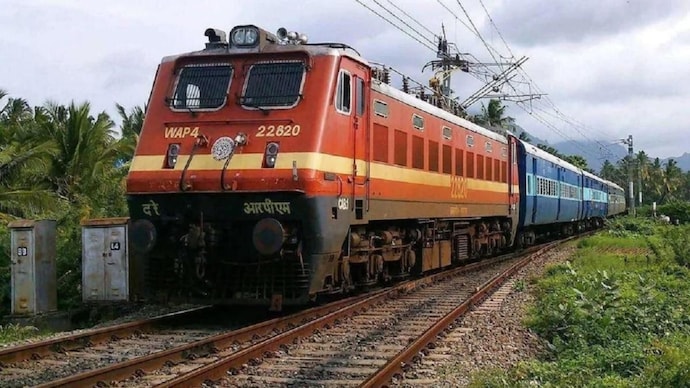

If you’ve ever booked a train ticket, you’ve seen a 10-digit PNR number printed on it. But what does it actually mean? The Indian Railways PNR system is designed to handle millions of bookings every day without confusion. Each PNR number acts like a unique ID that stores all your journey details, from seat status to train information.
The reason it’s exactly 10 digits comes down to balance: enough combinations to avoid duplication, but still easy to use.
Here’s a simple breakdown of how the PNR system works and what each part of the number tells you.
WHAT IS A PNR NUMBER?
PNR stands for Passenger Name Record. It is a unique 10-digit number assigned to every reserved train ticket in Indian Railways.
This number stores key details such as passenger information, journey date, train number, and booking status. It works as your ticket’s identity in the railway database.
WHY 10 DIGITS?
Indian Railways handles one of the largest passenger volumes in the world, with millions of tickets booked daily.
A shorter number would not create enough unique combinations, while a longer one would be harder to manage.
The 10-digit format offers a practical middle ground, easy to use while still allowing billions of unique PNR combinations without repetition.
WHAT EACH PART OF THE PNR MEANS
The 10-digit PNR number is not random. It is structured in a way that helps the system identify your booking quickly.
First digit (or first few digits):
This usually indicates the railway zone or Passenger Reservation System (PRS) where the ticket was booked.
Remaining digits:
- The rest of the numbers are generated through a system-based process to ensure that each PNR is completely unique.
- In some cases, the first 3 digits together point to a specific reservation zone, while the remaining 7 digits are sequential numbers created by the system.
ALSO READ: Seven high-speed rail corridors planned under the railway budget 2026. Key details
WHY THIS SYSTEM MATTERS
The 10-digit PNR system keeps the railway network organised and efficient.
It helps:
- Track booking status (confirmed, RAC, waitlisted)
- Store passenger and journey details
- Prevent duplication of tickets
- Manage high booking volumes smoothly
In simple terms, the PNR is what allows Indian Railways to run such a massive reservation system without chaos.
The 10-digit PNR number might look like just a random code, but it’s actually a smart system built for scale.
It ensures every ticket is unique, traceable, and easy to manage, making train travel across India more organised for millions of passengers every day.