

Brain, heart, and hands: The three skills Yuval Noah Harari says are key to adaptability
Historian and bestselling author Yuval Noah Harari says focusing on a narrow set of skills is risky in today's rapidly changing job market. Instead, he recommends developing intellectual, emotional, social, and physical abilities. While many agreed, others argued that hiring challenges are increasingly shaped by automated screening systems and evolving employer expectations.
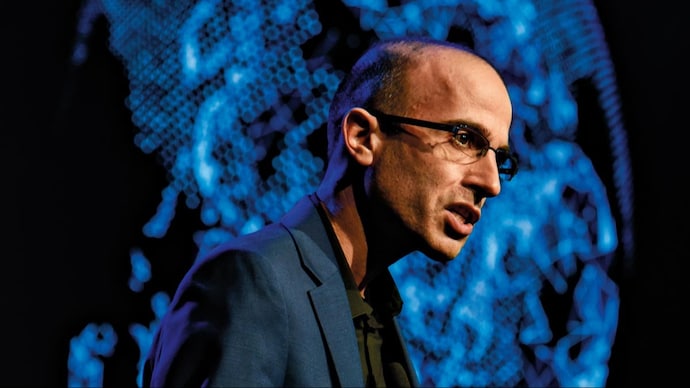
Yuval Noah Harari shares the skills he believes matter most

New Delhi,UPDATED: Jun 8, 2026 14:30 IST
Jobs. Placements. Offer letters.
For some, these words bring excitement and a sense of achievement. For others, they trigger anxiety, frustration, and endless self-doubt. The routine is familiar. You scroll through LinkedIn, spot a hiring post, tailor your resume, submit an application, and perhaps even make it to the interview stage. Then comes the silence. No offer letter. No explanation.
Soon, questions begin to surface. Was it the resume? The degree? The experience?
But according to historian and bestselling author Yuval Noah Harari, the answer may lie somewhere else entirely.
BEYOND TECHNICAL SKILLS
In a recent video shared on X, Harari spoke about the skills that will matter most in an increasingly uncertain future. His advice was surprisingly simple: stop focusing on a narrow set of abilities.
"Any attempt to focus on a narrow set of skills is dangerous," he said. "The best strategy I can advise is to do the opposite: to have a broad set of skills."
Check his tweet below:
Rather than mastering only one domain, Harari believes people should develop a combination of three types of abilities:
- Skills of the brain: Intellectual and analytical skills
- Skills of the heart: Emotional and social skills
- Skills of the hands: Motor and physical skills
According to him, it is this mix, not expertise in a single area, that will help people navigate a rapidly changing world.
THE HUMAN ADVANTAGE IN THE AGE OF AI
Harari placed particular emphasis on emotional and social skills.
As technology evolves and workplaces transform, psychological pressure is increasing. New tools emerge every year, industries change direction, and workers are constantly expected to adapt.
In such an environment, Harari argues that one of the most valuable assets is a flexible mind; one that can learn, unlearn, and adjust without losing balance.
His comments arrive at a time when conversations around artificial intelligence and job displacement dominate headlines. While AI can automate tasks and boost efficiency, many believe qualities such as empathy, communication, teamwork, and emotional intelligence remain distinctly human strengths.
After all, a machine may complete a task, but people bring context, judgment, and human connection to the work.
NOT EVERYONE IS CONVINCED
Harari's message resonated with many users online, but it also sparked debate.
Several people pointed out that possessing a broad range of skills does not necessarily guarantee employment. One user argued that today's hiring process is increasingly shaped by automated resume screening systems that filter candidates before a human recruiter ever sees an application.
Others noted that some employers reject overqualified candidates out of concern that they may leave for better opportunities.
Another user offered a more philosophical take:
"Flexibility matters, yes. But flexibility without criterion becomes mere adaptation."

The commenter argued that the future will require more than adaptability. It will require people who can integrate knowledge, make sound judgments, act responsibly, and maintain their sense of self amid constant change.
Whether one agrees with Harari or his critics, the discussion highlights a growing reality of the modern job market: technical expertise alone may no longer be enough.
Degrees and certifications still matter, but so do communication, emotional resilience, adaptability, and the ability to connect with others. In a world where technology continues to reshape work, the challenge may not simply be learning new skills, but learning how to remain human while doing so.
- Ends