
The many lives of Salim Kumar: Comedian, actor, director and cultural icon
With the death of Salim Kumar, Malayalam cinema bids farewell to an artiste whose journey from mimicry stages to National Award-winning performances left an indelible mark on Mollywood.


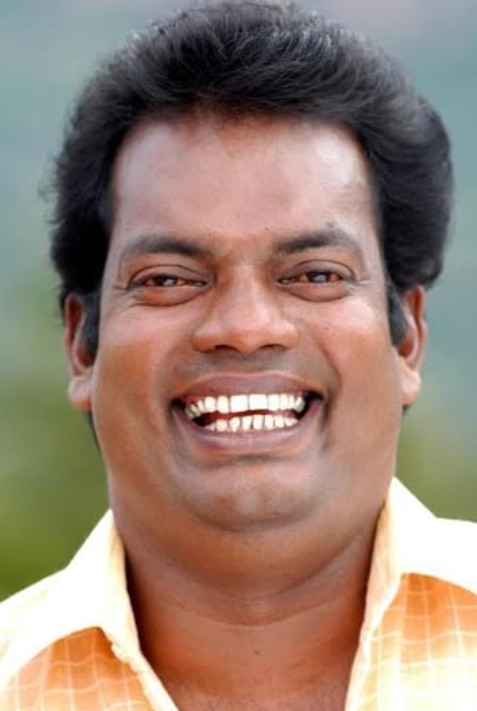
Malayalam cinema lost one of its most influential and accomplished artistes with the death of actor, comedian, writer and director Salim Kumar. The National Award-winning performer died late on June 6 at a private hospital in Kochi following health complications at the age of 56. Thousands of admirers, colleagues and political leaders gathered to pay their respects before his funeral on June 7, marking the end of a career that transformed the very definition of comedy and character acting in Malayalam cinema.
Who was Salim Kumar?
Born on October 10, 1969, in North Paravur, Kerala, Salim Kumar's rise to stardom was anything but conventional. Before entering films, he built his reputation through mimicry stages and comedy programmes, becoming a popular performer at Kalabhavan and later on television. His unique voice modulation, timing and ability to create eccentric yet relatable characters quickly made him a crowd favourite.
He made his mark in Malayalam cinema during the late 1990s and early 2000s, emerging as one of the industry's most sought-after comedians. Unlike many comic actors who remained confined to supporting roles, Salim Kumar gradually evolved into a formidable dramatic performer. That transformation culminated in a National Film Award for Best Actor for Adaminte Makan Abu (2011), making him one of the rare comedians in Indian cinema to achieve such recognition.
Most iconic films and roles
Salim Kumar's filmography spans around 275 films, but a handful of performances became cultural landmarks. His rise to stardom was built on a string of iconic roles that defined Malayalam cinema's comedy boom of the 2000s.
He became a household name with Thenkasipattanam (2000), directed by Lal Jose, where he shared screen space with Dileep, Suresh Gopi and Lal, often stealing scenes despite appearing alongside some of the industry's biggest stars. He followed it up with Ee Parakkum Thalika (2001), starring Dileep, Harisree Ashokan, Nithya Das and Cochin Haneefa, a slapstick comedy that remains a cult favourite among Malayali audiences.
In 2002, he delivered one of his most enduring comic performances as Advocate Mukundanunni in Meesa Madhavan, directed by Lal Jose and headlined by Dileep. Though not the film's lead comedian, Salim Kumar's portrayal of the eccentric lawyer became one of its most memorable characters. The enduring appeal of Advocate Mukundanunni was evident more than two decades later when the actor reprised the role in a special cameo appearance in Dileep's Bha Bha Ba (2025). His brief return drew some of the loudest cheers in theatres, serving as a reminder of the character's lasting place in Malayalam pop culture.
He continued his remarkable run with Kalyanaraman (2002), CID Moosa (2003) and several other films, cementing his reputation as one of Malayalam cinema's greatest comedians. His expressions, dialogue delivery and mannerisms became a lasting part of Kerala's pop-culture vocabulary. He consistently featured alongside the industry's biggest names but was never overshadowed by its superstars.
However, Salim Kumar's greatest achievement was proving that he was far more than a comedian. Director Lal Jose's Achanurangatha Veedu (2006) showcased a deeply moving performance that earned him the Kerala State Film Award for Second Best Actor. He reached the pinnacle of artistic recognition with Adaminte Makan Abu (2011), directed by Salim Ahamed, where his restrained portrayal of Abu won him the National Film Award for Best Actor and established him as one of the finest performers of his generation.
Relevance in Malayalam pop culture
Few actors have shaped Malayalam popular culture the way Salim Kumar did.
His dialogue delivery, facial expressions and peculiar characterisations became a language of their own among Malayalis. Generations grew up mimicking his mannerisms, while countless memes, television reruns and social media clips kept his performances alive long after their original releases.
Director Kamal once noted that Salim Kumar's dialogues had become "part of Malayali life", reflecting how deeply his work entered everyday conversation. His comedy transcended age groups and social backgrounds, making him one of Kerala's most recognisable cultural figures.
What made him unique was his ability to balance absurd humour with emotional authenticity. Even his most exaggerated characters felt grounded in familiar social realities, allowing audiences to laugh at them and empathise with them simultaneously.
Accomplishments as a director
Salim Kumar's creativity extended beyond acting. He directed films including Compartment (2015), Karutha Joothan (2017) and Daivame Kaithozham K Kumar Akanam (2018). While none achieved the commercial success of his acting ventures, they demonstrated his interest in storytelling beyond performance.
His biggest achievement behind the camera came with Karutha Joothan, whose story won the Kerala State Film Award for Best Story. The recognition affirmed that Salim Kumar was not merely a gifted performer but also a thoughtful writer and filmmaker.
Beyond cinema
Salim Kumar was known for speaking candidly about religion, politics and social issues.
He often discussed his rationalist leanings and revealed that his father deliberately gave him a name free from religious identity. He admired people who fought social inequality in Kerala and was not afraid to question religious institutions and traditional beliefs.
Though he had associations with politics and public life, he remained difficult to categorise ideologically. His interviews frequently reflected independent thinking rather than strict allegiance to any one camp.
In recent years, he had reportedly expressed a desire that his death not be reduced to religious rituals or sectarian identity. In keeping with his wishes, his funeral on June 7 was conducted without religious rites, and no post-funeral rituals were performed. Draped in the Indian National Congress flag, the actor was cremated at his residence, with his sons Chandu and Aromal lighting the pyre.
Yet the outpouring of grief following his death showed that, above all else, people remembered him as an artiste. Thousands gathered in Kochi and North Paravur to bid him farewell, while tributes poured in from across the political and cinematic spectrum.
The story of Salim Kumar is one of constant reinvention. He began as a mimicry artiste, conquered comedy, earned respect as a dramatic actor, won the National Award, directed films and became a cultural institution in Kerala.
Very few performers manage to redefine an entire genre while also proving themselves beyond it. Salim Kumar did exactly that. His death leaves a void in Malayalam cinema, but his legacy lives on through the characters, dialogues and performances that continue to make audiences laugh, cry and reflect on the world around them. For many Malayalis, Salim Kumar was never just a comedian or an actor—he was a part of everyday life itself.