Advertisement

Centre forms panel on 'One Election One Nation' under Ex-President Kovind

The central government on Friday established a committee under the leadership of former President Ram Nath Kovind, to evaluate the feasibility of implementing a 'One Nation One Election' system, which seeks to synchronize the scheduling of general and state elections. This initiative follows closely on the heels of reports indicating the government's intention to introduce legislation pertaining to 'One Nation, One Election' during the upcoming special session of Parliament, slated for September 18 to 22. Detailed information about the members of the committee will be released later, officials said. 

On today's episode of First Up, we discuss what the decision entails, and bring to you statements from leaders from various political parties, including Congress leader Adhir Ranjan Chaudhary, RJD spokesperson Ejaz Ahmed, and JDU spokesperson Dr Sunil Singh among others.

Read More

VIDEOS FROM OTHER SECTIONS

LATEST VIDEOS

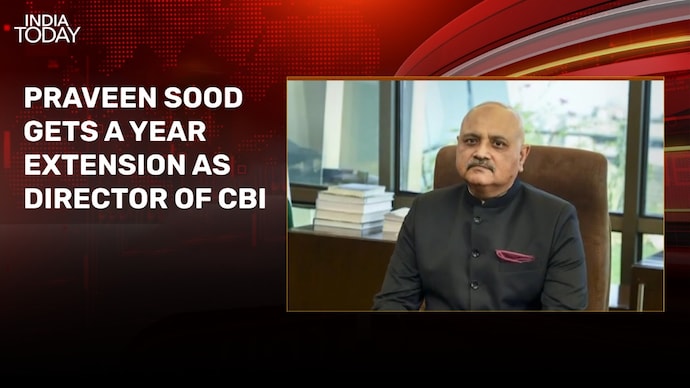
CBI Director Praveen Sood gets one-year extension

The Central Bureau of Investigation Director has received a one-year extension, continuing in the role until May next year. The decision was made by a high-power committee comprising the Prime Minister, the Chief Justice of India, and the Leader of Opposition.

advertisement

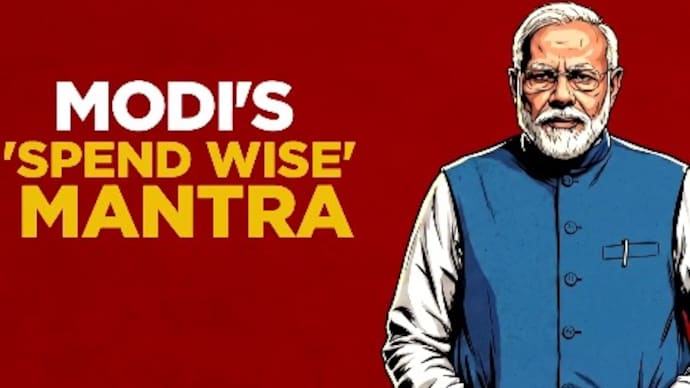
PM Modi cuts down convoy size: Is government preparing country for tough times?

The central government has implemented austerity measures, including reducing ministerial convoys to two vehicles, in response to a looming fuel crisis driven by West Asian geopolitical tensions. While the ruling party frames this as a necessary fiscal step, opposition leaders have labeled the move tokenism, demanding a special parliamentary session to address the economic situation and rising oil prices. Simultaneously, the national currency has depreciated to an all-time low against the dollar, prompting calls from experts for fiscal consolidation and reduced political populism. Amidst these economic challenges, a major controversy has emerged regarding the national medical entrance examination. Investigations into an alleged paper leak and an interstate exam mafia have resulted in multiple arrests across several states, revealing potential political links. Education experts are now advocating for a complete overhaul of the testing system, suggesting decentralized, computer-based examinations to ensure future transparency. Transparency activists further urge the government to disclose fuel stock data to prevent public panic and hoarding during this period of economic instability.