Battle for Bengal: Mamata or Modi, who has the edge? Experts weigh in
As West Bengal prepares for phase two of the assembly elections on April 29, the political battle intensifies across 142 seats in South Bengal and Kolkata.

The West Asia conflict is triggering a global energy shock with Americans paying over $4 per gallon for gas, the highest since 2022, and oil prices hovering above $100 per barrel. The Strait of Hormuz, carrying nearly 20% of the world's oil supply, sits at the centre of this crisis, with much of its supply heading to energy-dependent Asian markets like Japan, South Korea, and India. Analysts warn that if disruptions persist, the world could face fuel shortages, rising inflation, and broader economic instability. Bob McNally, former White House energy advisor under George W. Bush, states that markets are moving away from 'hope and optimism, almost denial' towards a more realistic appreciation of the crisis. Egypt's president has cautioned that crude could cross $200 per barrel if the war intensifies. More than 80% of oil passing through the Strait of Hormuz heads to Asian markets, with countries like Japan and South Korea depending on the Gulf for over 60% of their crude imports. India relies on the Strait of Hormuz for approximately 40-45% of its crude oil imports. President Trump is reportedly signalling a possible wind down of the conflict even as the Strait of Hormuz remains shut.
As West Bengal prepares for phase two of the assembly elections on April 29, the political battle intensifies across 142 seats in South Bengal and Kolkata.
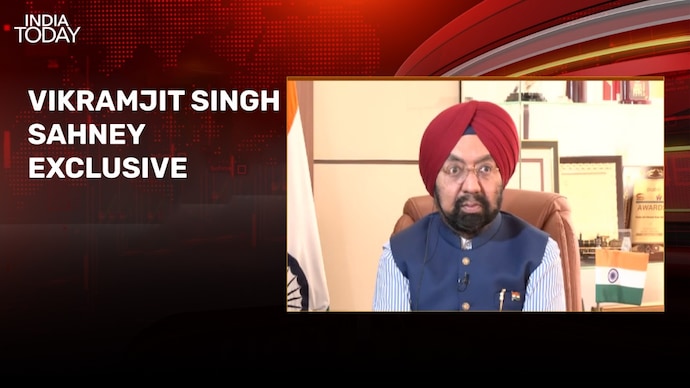
In an interview with India Today Consulting Editor Rajdeep Sardesai, Rajya Sabha MP Vikramjit Singh Sahney discussed his decision to leave the Aam Aadmi Party and join the Bharatiya Janata Party.
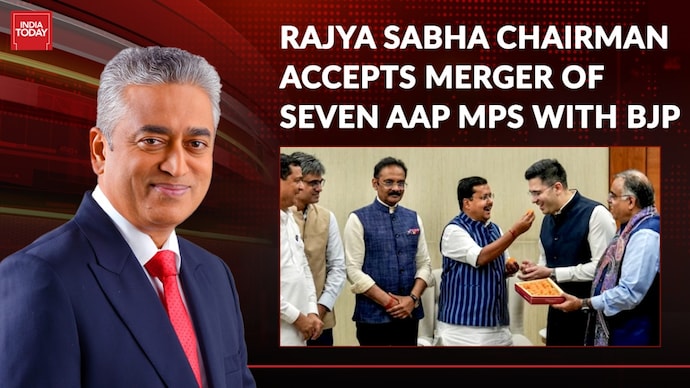
The big talking point of this episode of News Today is the merger of seven Aam Aadmi Party (AAP) Rajya Sabha Members of Parliament with the Bharatiya Janata Party (BJP).
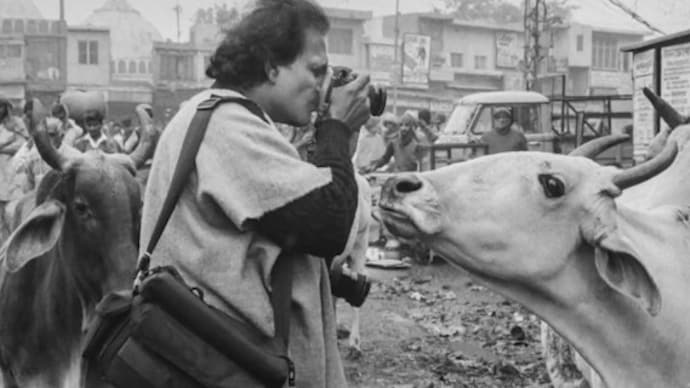
India's most celebrated photojournalist, Raghu Rai, passed away on Sunday.