
How rising heat is forcing cities across India to turn off traffic lights
The decision comes as temperatures in Vidarbha consistently breach the 42C mark, with some regions in Maharashtra already touching 45C.
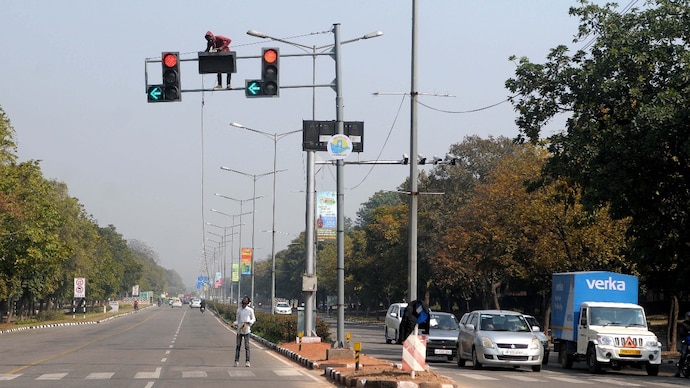

As a blistering summer grips Maharashtra, the Gondia district administration has taken a radical step to protect citizens from the scorching sun.
Major traffic signals across Gondia city are being switched off during the peak heat hours, from 12:30 pm to 4:00 pm. The move is an effort to prevent people travelling on the roads from having to wait at busy intersections under the direct glare of the sun.
The decision comes as temperatures in Vidarbha consistently breach the 42C mark, with some regions in Maharashtra already touching 45C.
Local authorities noted that the intense heat radiating from the concrete road at traffic junctions was posing a severe health risk to two-wheeler riders and pedestrians.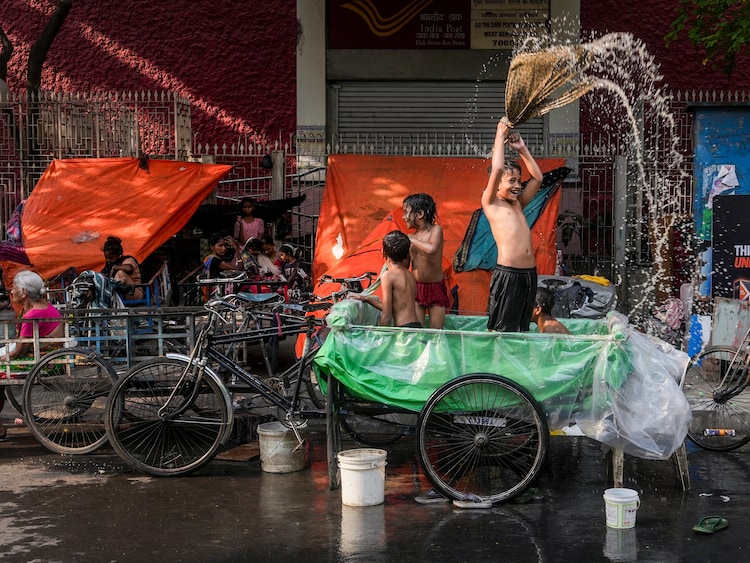
WHY ARE CITIES TURNING OFF TRAFFIC SIGNALS?
Gondia is not alone in this innovative approach.
Nearby districts like Gadchiroli have implemented similar measures, and Surat in Gujarat has also begun turning off signals during the afternoon to reduce heatstroke risks.
While the lights remain dark, traffic police are stationed in shaded areas nearby to intervene if congestion occurs, ensuring public safety isn't compromised for comfort.
Public response to this method has also been positive, signalling a potentially prolonged use of the method.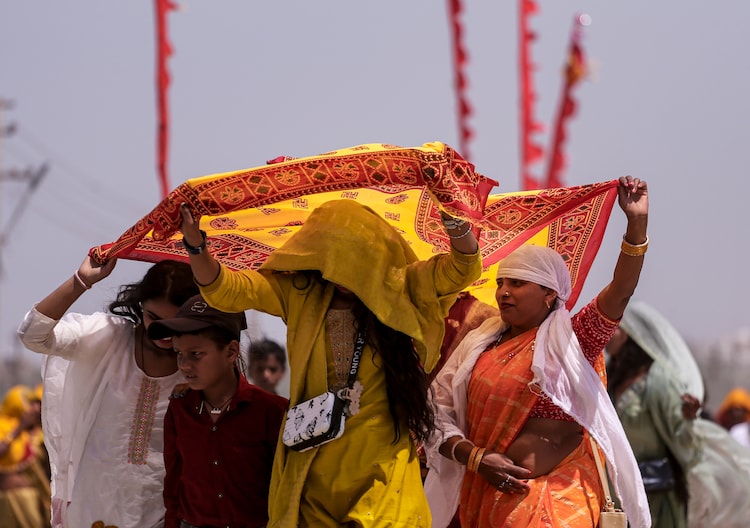
Commuters, especially delivery partners and manual labourers, have welcomed the relief, as even a few minutes of stationary exposure at a red light can lead to dizziness and dehydration in these extreme conditions.
SCORCHING SUMMER AHEAD
The situation in Gondia reflects a broader climate crisis unfolding across India.
The India Meteorological Department (IMD) has issued heatwave alerts for several states, including Maharashtra, Rajasthan, and Odisha, as temperatures surge 3C to 5C above normal.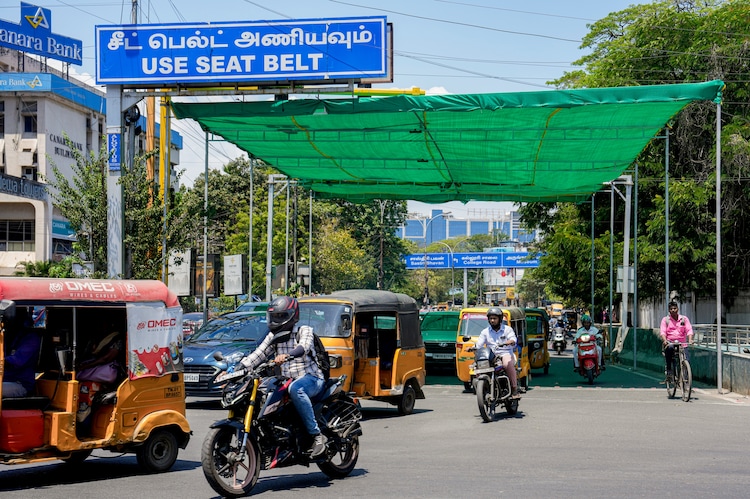
Meteorologists attribute this early and intense onset of summer to shifting climate patterns, with heatwaves becoming more frequent and lasting longer.
As urban regions struggle to cope, administrative shifts like Gondia’s are becoming essential survival tools.
Beyond traffic lights, cities are now adjusting school timings and setting up water kiosks as part of broader Heat Action Plans (HAPs) to combat what could be one of the hottest summers on record.