
Heatstroke vs dehydration: What your body is trying to tell you
Rising temperatures are increasing the risk of heat-related illnesses across India. While dehydration and heatstroke may seem similar, they differ greatly in severity. Knowing the early warning signs can help you act quickly, stay safe, and avoid serious health complications.
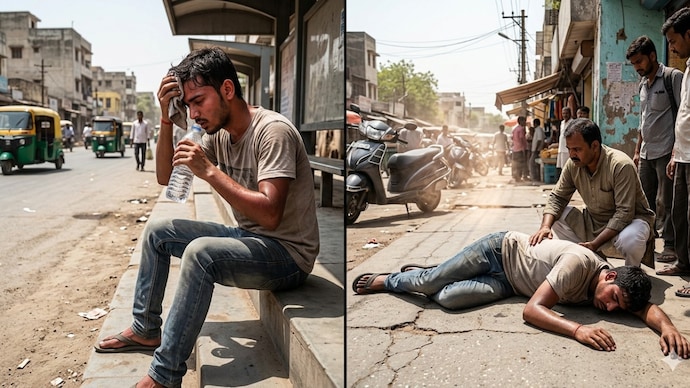

As temperatures soar across India, cases of summer-related illnesses are rising rapidly. Two of the most common—and often confused conditions are heatstroke and dehydration. While both are caused by excessive heat, they are not the same. Understanding the difference can help you act quickly and prevent serious health risks.
WHAT IS DEHYDRATION?
Dehydration occurs when your body loses more fluids than it takes in. In extreme summer heat, excessive sweating, not drinking enough water, or prolonged outdoor exposure can quickly lead to fluid loss.
Common symptoms include
Dry mouth and lips
Fatigue or weakness
Dizziness or light-headedness
Dark yellow urine or reduced urination
Headaches
Dehydration is usually mild to moderate and can often be treated by increasing fluid intake. However, if ignored, it can worsen and lead to more serious complications.
WHAT IS HEATSTROKE?
Heatstroke is a severe and potentially life-threatening condition that occurs when the body’s temperature rises above 40°C and can no longer regulate itself. It is considered a medical emergency.
Warning signs include
High body temperature (above 40°C)
Hot, dry skin (sometimes with no sweating)
Confusion or disorientation
Rapid heartbeat
Nausea or vomiting
Loss of consciousness
Unlike dehydration, heatstroke requires immediate medical attention.
KEY DIFFERENCES YOU MUST KNOW
Severity: Dehydration is usually less severe; heatstroke is critical
Body temperature: Normal or slightly elevated in dehydration; dangerously high in heatstroke
Sweating: Common in dehydration; may stop in heatstroke
Mental state: Normal in dehydration; confusion or unconsciousness in heatstroke
WHEN TO SEEK HELP
If someone shows signs of heatstroke especially confusion, fainting, or very high body temperature, seek emergency medical help immediately. Do not delay treatment.
For dehydration, if symptoms persist despite drinking fluids, or if there is vomiting and inability to retain water, consult a doctor.
HOW TO STAY SAFE IN EXTREME HEAT
Drink water regularly, even if you don’t feel thirsty
Avoid stepping out during peak afternoon hours
Wear light, breathable clothing
Include water-rich foods like fruits and vegetables in your diet
Limit caffeine and alcohol intake
While dehydration and heatstroke may seem similar, the difference between them can be life-saving. Staying aware, hydrated, and cautious during extreme heat is the best way to protect yourself and your loved ones this summer.