
A spicy mission: Why Nasa has launched 5 hot sauces to the Moon
When Nasa's Artemis crew launched on April 2, five bottles of hot sauce were on the menu alongside 189 other food items. The reason will surprise you.
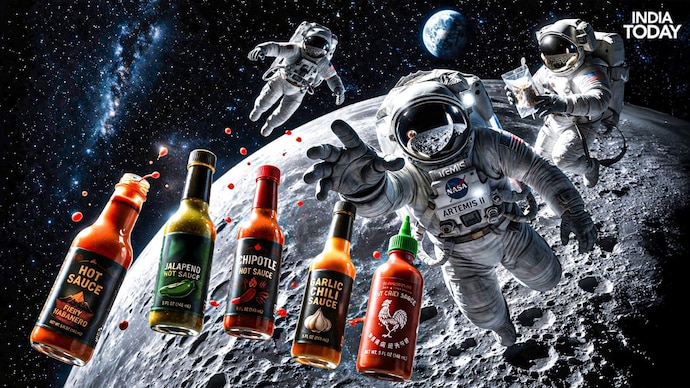

When Nasa's four-member Artemis 2 crew sealed themselves inside the Orion capsule on April 2 and lifted off from Kennedy Space Center in Florida, they carried 189 unique food items for a 10-day journey around the Moon and back.
Among them are 58 tortillas, 43 cups of coffee, and five different hot sauces.
The hot sauce is not a quirk. It is not a craving. It is a band-aid approach to a biological problem that Nasa has not fully solved in six decades of human spaceflight.
To understand why that sauce is on the menu, we need a short detour through the human body, and what microgravity does to it within hours of leaving Earth.
THE BODY DOES NOT KNOW IT HAS LEFT EARTH
Nobody tells the body it has left Earth. That is the problem.
Within the first six to 10 hours of weightlessness, the body's fluid, blood, lymph, and interstitial fluid, the liquid that occupies the spaces between cells and blood vessels, begins migrating upward.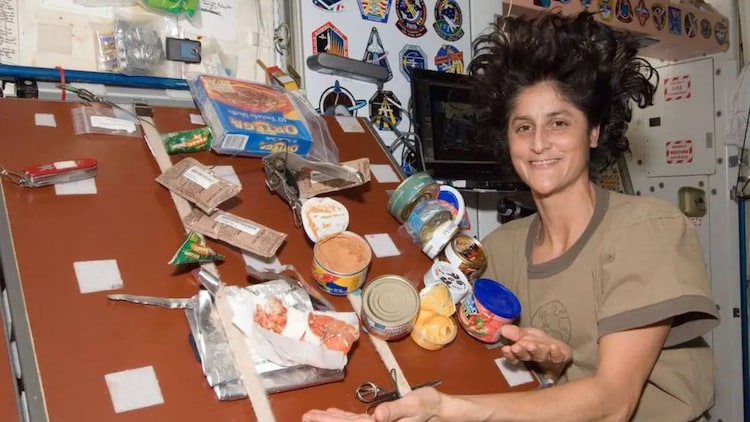
On Earth, gravity holds the fluid down. In microgravity, that pull disappears, and the fluid moves toward the chest, the face, and the head. The medical term for this is cephalad fluid shift.
The face shows it first. The cheeks swell. The sinuses fill with fluid they were not built to hold. The nasal passages narrow and congest.
The feeling is precisely that of a head cold, except there is no virus, no infection, and no recovery. Its cause is not biological. It is gravitational.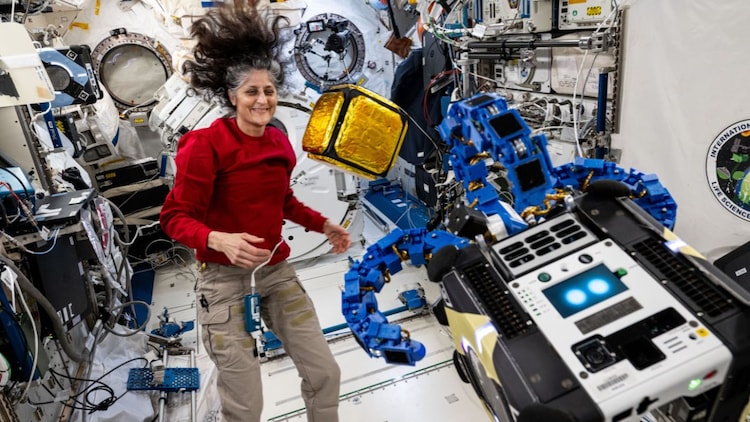
Research based on nearly two decades of medical records from the International Space Station (ISS) found that 75 per cent of astronauts reported nasal congestion during their missions.
It is the most commonly logged medical complaint in orbit.
For the Artemis 2 crew, this condition, called space cold, will arrive within hours of launch and remain for all 10 days. It is not the beginning of the journey. It is the condition of it.
And that is the reason the hot sauce is there.
THE NOSE GOES FIRST. THE FLAVOUR FOLLOWS
Most people believe they taste with their tongue. This is understandable, but almost entirely wrong.
The tongue detects five sensations: sweet, salty, sour, bitter, and umami, or deliciousness.
These are signals, not flavours. Flavour, the thing that makes a mango different from an apple, that makes one bowl of rice feel like home and another feel like nothing in particular, is built somewhere else entirely.
Approximately 80 per cent of what a person perceives as taste is, in fact, aroma.
Flavour is the combination of taste and aroma.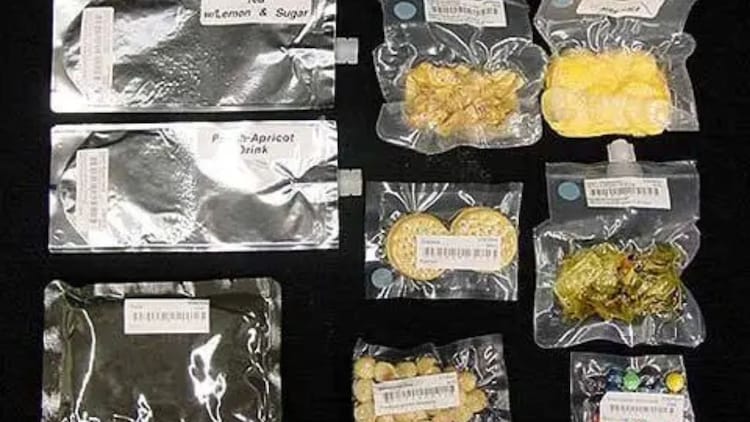
As food is chewed and swallowed, aromatic compounds travel from the back of the mouth up into the nasal cavity, where olfactory receptors read them and send the brain everything it needs to construct the full experience of flavour.
This process is called retronasal olfaction. It is so seamlessly woven into the act of eating that most people are entirely unaware it is happening, right until the moment it stops.
Pinch the nose shut and eat a piece of apple. The tongue will find sweetness and texture. But the apple itself, its particular identity, will be gone. What the brain receives is a rough outline.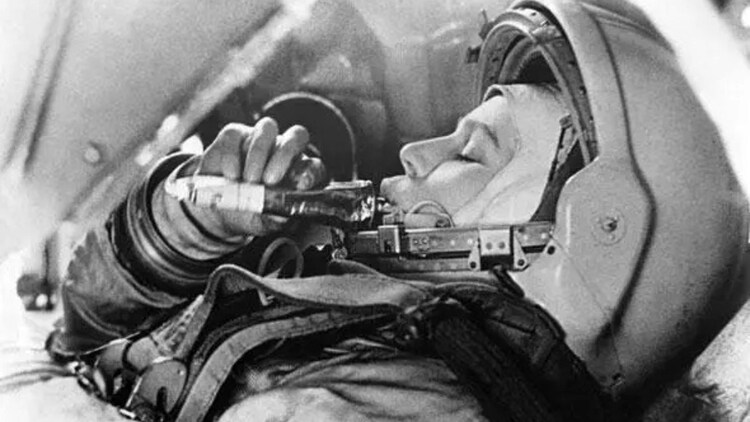
This is what the Artemis 2 crew will sit down to, at every meal. The aromatic compounds rise from the food and travel toward nasal passages that are swollen and largely closed.
The tongue keeps working faithfully. But the food will hardly have any taste.
Astronauts across decades, across agencies, across missions of every length, describe this in the same word. Cardboard.
EVEN THE FOOD ARRIVES ALREADY DEFEATED
The nose shuts down a flavour system that was already compromised before launch.
Artemis 2 carries no fresh food beyond the first day or two. Everything else is shelf-stable: rehydratable, thermostabilised, or irradiated.
Rehydratable foods have most of their water content removed, and are designed to have water added back to them before consumption.
Thermostabilised foods are those which have been processed under high heat and pressure, and irradiated foods are the ones which have been exposed to ionising radiation to kill microorganisms.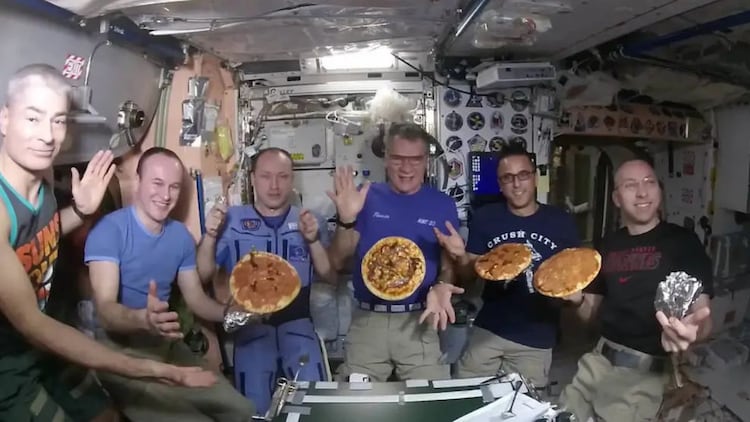
The aromatic compounds that carry flavour are the most fragile element of any food.
They escape readily, degrade easily, and do not survive heat processing or freeze-drying or months of storage without flavour losses.
The meal that a crew member opens and rehydrates on day six has already shed much of what made it taste like itself. The congested nose removes most of what remains.
The sealed cabin offers no relief. Competing odours from equipment, recycled atmosphere, and off-gassing materials settle in and do not leave.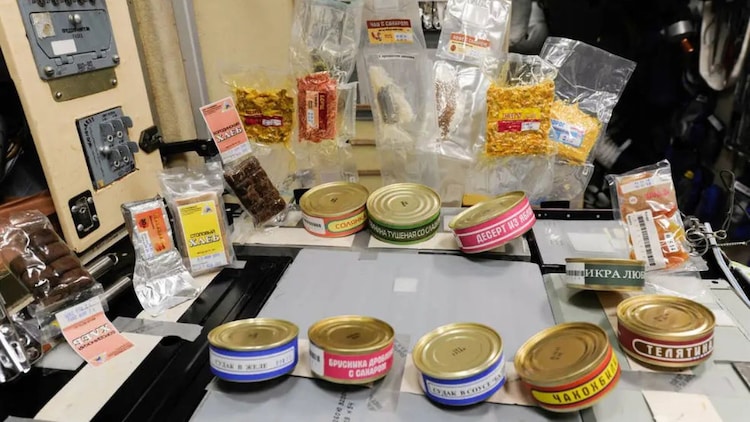
The environment inside the Orion capsule is not neutral. It is working against the food from every direction at once.
Familiar meals arrive as pale versions of themselves. Food that should provide comfort provides only calories. And as the days accumulate, even that transaction begins to feel like more than it is worth.
WHEN EATING BECOMES A CHOICE, AND THE CREW STOPS CHOOSING
There is a point, in any confined environment where food has lost its pleasure, at which eating stops being automatic.
It becomes a decision. And decisions made under sustained stress and sensory monotony do not always go the right way.
Menu fatigue is what happens when that decision starts going wrong. Intake falls quietly, in increments too small to notice until the cumulative deficit becomes impossible to ignore.
Energy consumption among astronauts has historically been estimated at roughly 25 per cent below requirement across missions. That is not a rounding error. That is a body running short.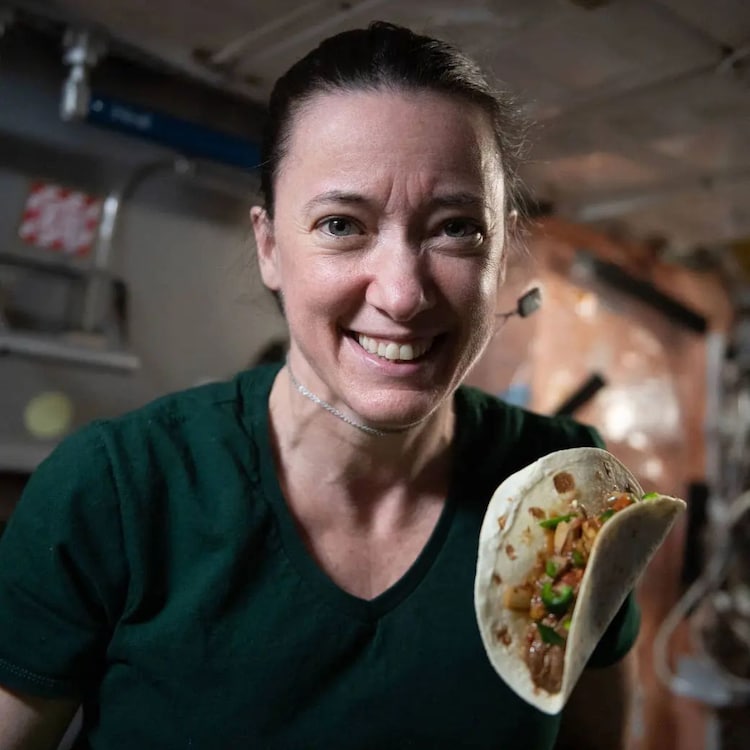
Muscle tissue breaks down. The immune system loses ground. Cognitive performance, the kind required to pilot a spacecraft at the farthest distance from Earth any crewed Orion mission has ever attempted, degrades in ways that are measurable and, in this context, intolerable.
Nasa classifies nutrition as a red risk for exploration missions. It means there is no adequate solution currently available.
The military limits the use of field ration packs to 21 consecutive days, because beyond three weeks, soldiers simply stop eating them. Not from lack of will.
But because the body eventually refuses to keep performing the ritual of a meal that returns nothing.
Artemis 2 lasts 10 days. The missions that follow will not.
THE OLDEST SPICE IN THE WORLD
Capsaicin, the compound that makes chilli peppers hot, does not use the nose. This is the only reason it is useful here.
Almost every flavour compound depends on the olfactory pathway: aromatic molecules travel into the nasal cavity, find the olfactory receptors, and the brain assembles them into something recognisable.
Block the nose and the system stalls.
Capsaicin takes a different route entirely. It binds to the trigeminal nerve, a separate neurological channel that carries sensations of heat, pain, and pressure directly to the brain, independent of whether the nasal passages are open or swollen shut.
The flavour compound arrives regardless, cutting through the sensory silence of microgravity by a route that congestion cannot close.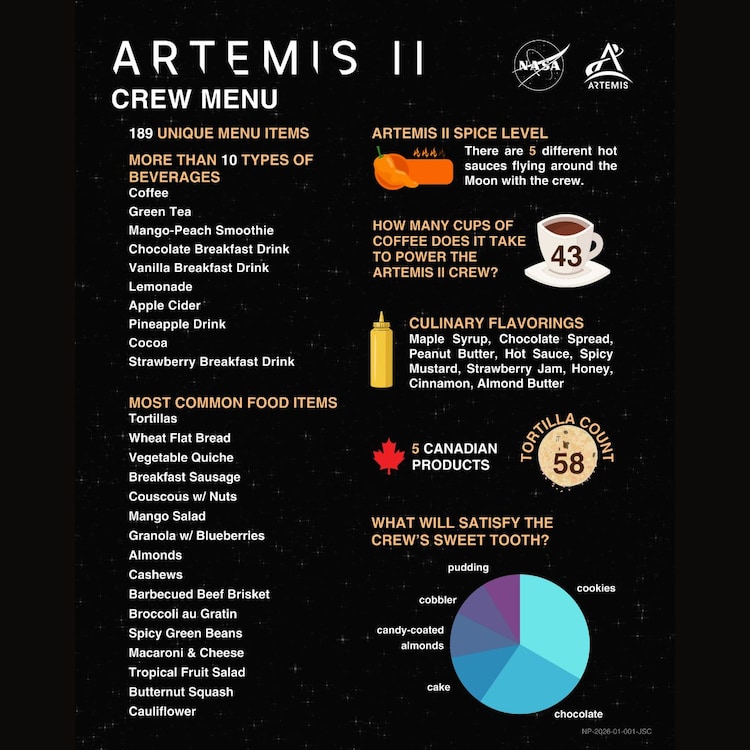
It does not restore the meal. It does not clear the congestion or return what months of storage stripped away. It gives the brain something to register other than absence.
And when the alternative is a crew that stops eating, something is a great deal better than nothing.
The five sauces on the Artemis 2 menu are not indulgences.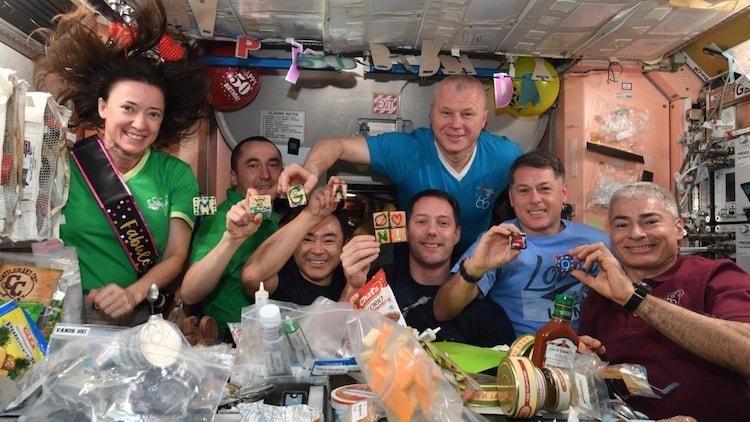
They are the most honest items on the menu: a frank acknowledgement that the food will not taste like food, that the body will resist eating it, and that the best available answer to both of those facts, in 2026, on a mission to the Moon, is a small bottle of something that bypasses the problem by refusing to use the system the problem has broken.
Six decades of space food. Five bottles. A crew that will be grateful, in ways that have nothing to do with flavour, that somebody thought to pack them.
The better answers are being built. They will be the subject of the next instalment in this series.