
Rain in the desert: Rajasthan records 187% excess rain in June, highest in India
Rajasthan has recorded an extraordinary spell of heavy June rain across its eastern and western regions. The surge has brought relief from heat and improved farm prospects, while raising the risk of localised flooding.


Rajasthan, India's driest state and home to the vast Thar Desert, is witnessing an unusual weather phenomenon this June. In the first nine days of the monsoon season, the state recorded 187 per cent more rainfall than normal, making it the wettest region in the country relative to its seasonal average.
According to meteorological data, East Rajasthan has received 226 per cent above-normal rainfall, while West Rajasthan, which includes large stretches of desert terrain, has recorded a remarkable 143 per cent surplus.
The unexpected downpours have transformed normally arid landscapes and raised questions about what is driving such intense rainfall in a region known more for drought than deluges.
Weather experts point to a rare combination of atmospheric factors behind the dramatic shift.
The primary driver has been the unusually rapid advance of the southwest monsoon across northwest India. Instead of remaining confined to the southern and central parts of the country during early June, moisture-laden monsoon winds pushed deep into Rajasthan much earlier than usual.

At the same time, a series of upper-air cyclonic circulations and troughs has developed over northern and central India. These weather systems act like channels that draw moisture from both the Arabian Sea and the Bay of Bengal and transport it inland.
Rajasthan, situated between these interacting systems, has become a focal point for cloud formation and rainfall.
Meteorologists say the state's geography has also played a role. During summer, Rajasthan experiences extreme heating, creating a strong low-pressure zone over the desert. This year, the contrast between the hot land surface and moisture-rich air from surrounding seas has been particularly sharp, enhancing atmospheric instability and triggering frequent thunderstorms.
Another important factor is the arrival of a strong western disturbance over north India. Typically associated with winter weather, western disturbances can sometimes interact with monsoon currents during the pre-monsoon and early monsoon periods.
Such interactions often intensify rainfall and thunderstorm activity across Rajasthan, Punjab, Haryana and western Uttar Pradesh.
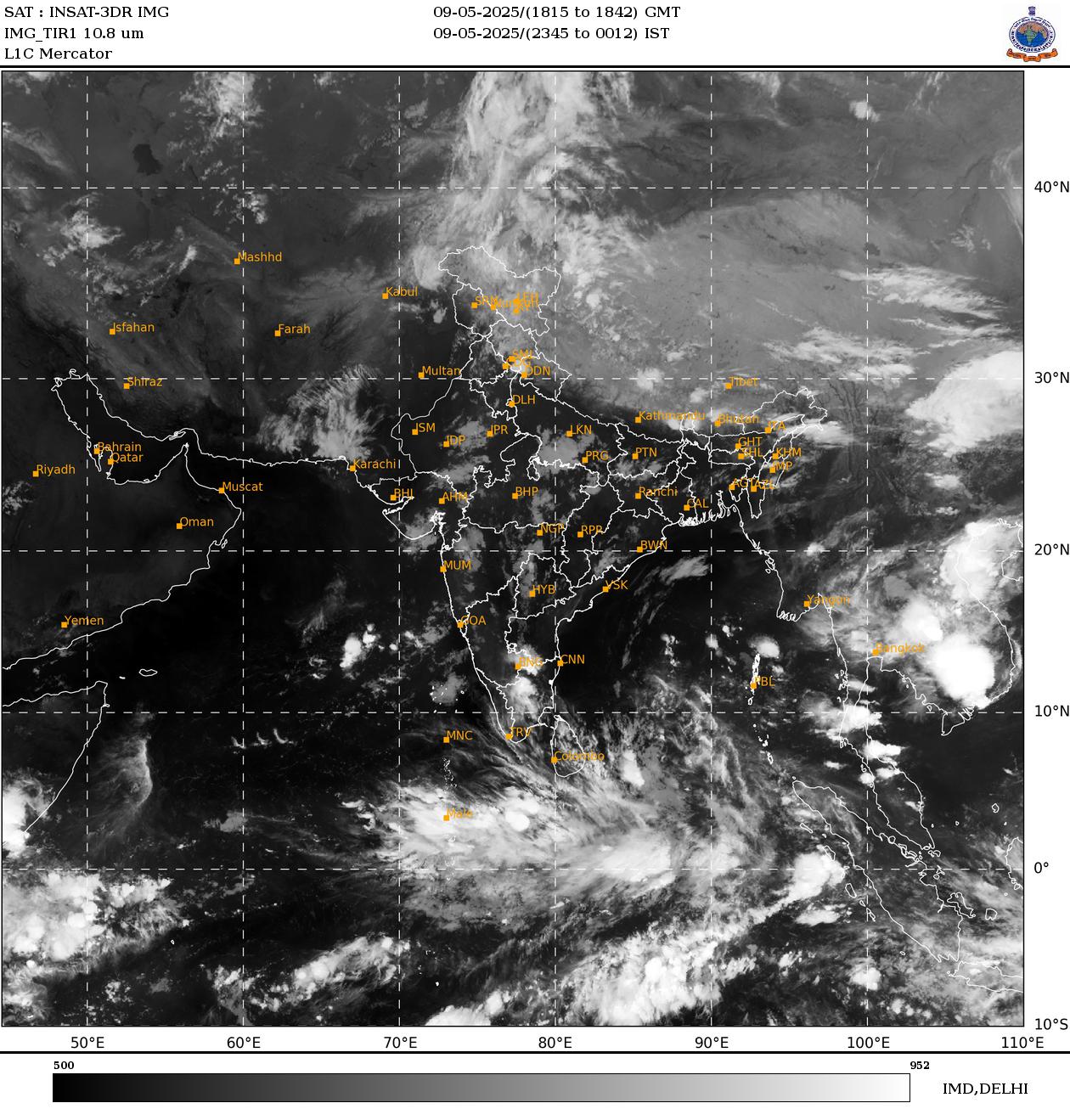
The result has been repeated episodes of heavy showers, thunderstorms and gusty winds across both eastern and western parts of the state.
While the rainfall has provided relief from scorching temperatures and improved prospects for agriculture, officials are also monitoring the risk of localised flooding, waterlogging and damage from strong winds.
Desert regions, where the ground is often hard and dry, are particularly vulnerable to flash floods because rainwater cannot be absorbed quickly.
For now, forecasts suggest that active weather conditions may continue over Rajasthan as monsoon moisture, western disturbances and low-pressure systems remain locked together, turning one of India's driest regions into an unlikely rainfall hotspot.