
Govt launches new Aadhaar app: What is it, full list of features, new benefits, and everything else to know
UIDAI has rolled out a new Aadhaar app and said the old mAadhaar app will be discontinued soon. The shift centres on faster verification, selective data sharing and stronger privacy controls.

The government has officially rolled out a new Aadhaar mobile app, and after using it, it genuinely feels like a better version of the older mAadhaar app. The biggest change is that Aadhaar verification no longer feels like handing over all your personal details every single time. Instead, the new app focuses heavily on privacy, quick verification, and giving users more control over their own data. At the same time, UIDAI has confirmed that the old mAadhaar app will soon be discontinued. Users are now being encouraged to move to the newly launched Aadhaar app, which the authority says is faster, smarter, and more secure.
Unlike the older platform that mostly depended on OTPs and often showed complete Aadhaar information during verification, the new Aadhaar app changes how identity sharing works altogether. Whether it is hotel check-ins, hospital visits, age verification, or service partner verification, the app is designed to reduce unnecessary sharing of Aadhaar details. Here is everything you need to know.
What is the new Aadhaar app?
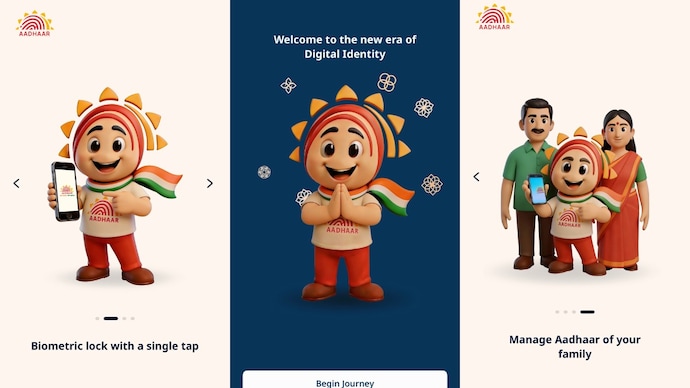
The new Aadhaar app is an official mobile application launched by the Unique Identification Authority of India (UIDAI) earlier this year as part of the government’s privacy-first digital identity push. The app allows users to verify identity using QR codes, Face ID authentication, and consent-based sharing instead of carrying physical Aadhaar copies or submitting photocopies everywhere. After trying the app, the biggest difference I noticed is how much more controlled the process feels. During verification, the app does not automatically expose the full Aadhaar number or all personal details. Instead, users can choose exactly what information they want to share.
The new platform was officially introduced to the nation in January 2026 and is built around Digital Personal Data Protection (DPDP) Act principles and data minimisation practices. But, since people are still using the older app and it is set to be phased out soon, the government is asking citizens to head to the new Aadhaar app.
mAadhaar app will soon stop working
UIDAI has confirmed through its official X account that the old mAadhaar app will be discontinued soon. The authority said, "mAadhaar will discontinue soon. Download the new Aadhaar App and experience faster access, smarter features & enjoy services at your fingertips. It is designed to make your Aadhaar experience simpler, and more convenient than ever." This means users who still depend on the old app will eventually need to switch to the newer platform.
Setting up the new Aadhaar app
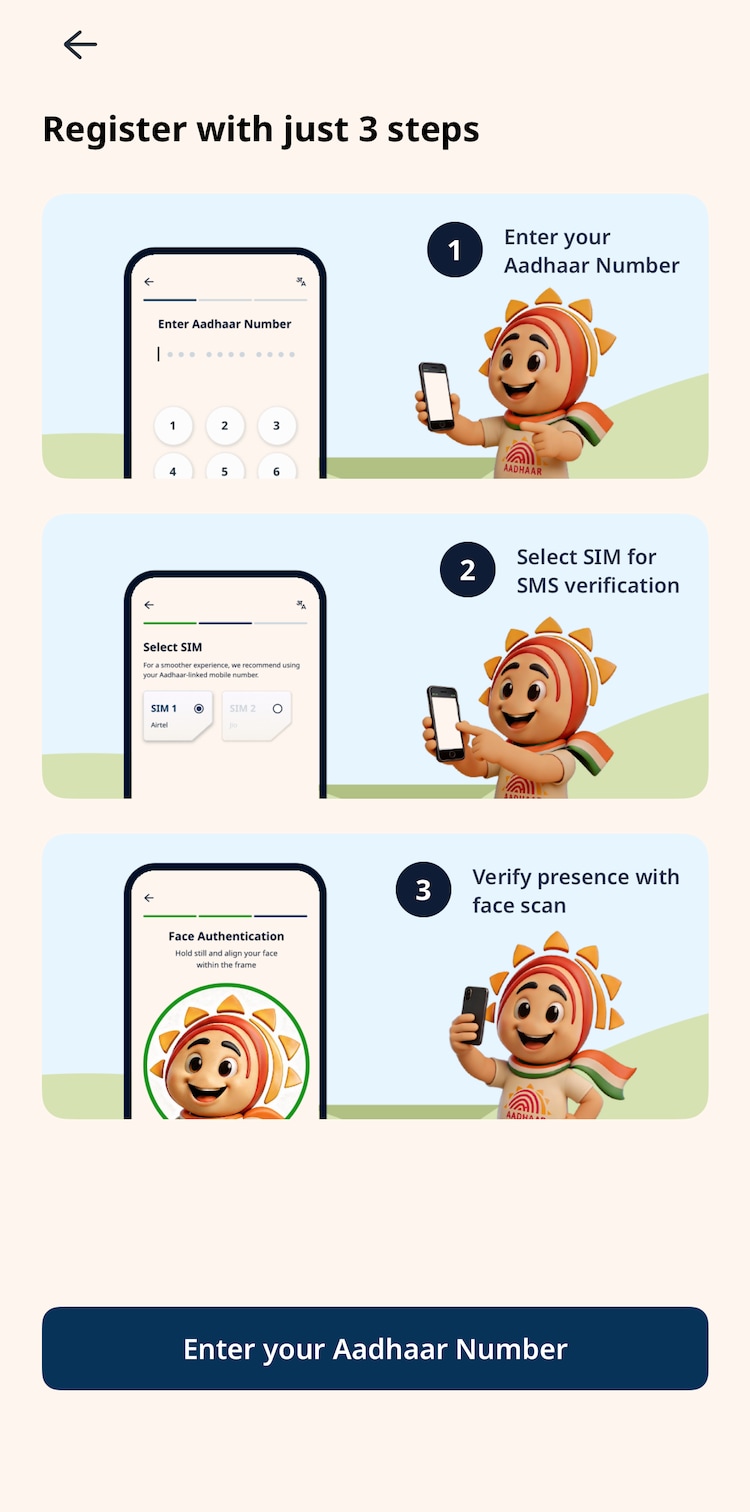
The onboarding process is slightly more detailed compared to the older app, but that is because UIDAI has added multiple security layers.
-After downloading the official Aadhaar app from the Play Store or App Store, users need to choose their preferred language and enter the mobile number linked to Aadhaar.
-An OTP is then sent for verification.
-The app will also ask for Face Authentication during setup. After this, users can create a six-digit PIN and enable biometric unlock for extra protection.
-Once Aadhaar details are added and OTP verification is completed again, the account becomes active.
Biggest features of the new Aadhaar app
QR-based Aadhaar verification: This is easily one of the most useful additions. Instead of giving photocopies or showing full Aadhaar details, users can now simply share a QR code. This can be useful during hotel check-ins, hospital verification, government office visits, and several other situations. The QR-based system also works in offline environments, which means internet access is not always necessary for verification.
Face authentication support: The app now supports face authentication for identity checks and proof of presence. Earlier, most Aadhaar access depended mainly on OTPs. Now, UIDAI has added Face ID verification for stronger authentication.
Selective sharing of Aadhaar details: This is probably the biggest privacy upgrade. Users can choose to share only specific details like name, age, address, or photo instead of exposing the complete Aadhaar profile every time. For example, if a hotel only needs identity confirmation, the app can verify that without revealing unnecessary data like the Aadhaar number itself.
One-click biometric lock and unlock: The app allows users to instantly lock or unlock Aadhaar biometrics directly from the phone. Fingerprint, iris, and face authentication controls are now available inside the app itself, reducing the risk of misuse.
Authentication history tracking: Users can now check where and when Aadhaar authentication was used. This helps in tracking suspicious activity and gives better transparency over Aadhaar usage.
One Family, One App support: The app supports management of up to five Aadhaar profiles on a single device. This means parents can keep Aadhaar profiles for children or senior citizens linked to the same mobile number within one app.
Mobile number and address updates: Users can also update their mobile number and address through the app itself instead of depending entirely on physical Aadhaar centres.
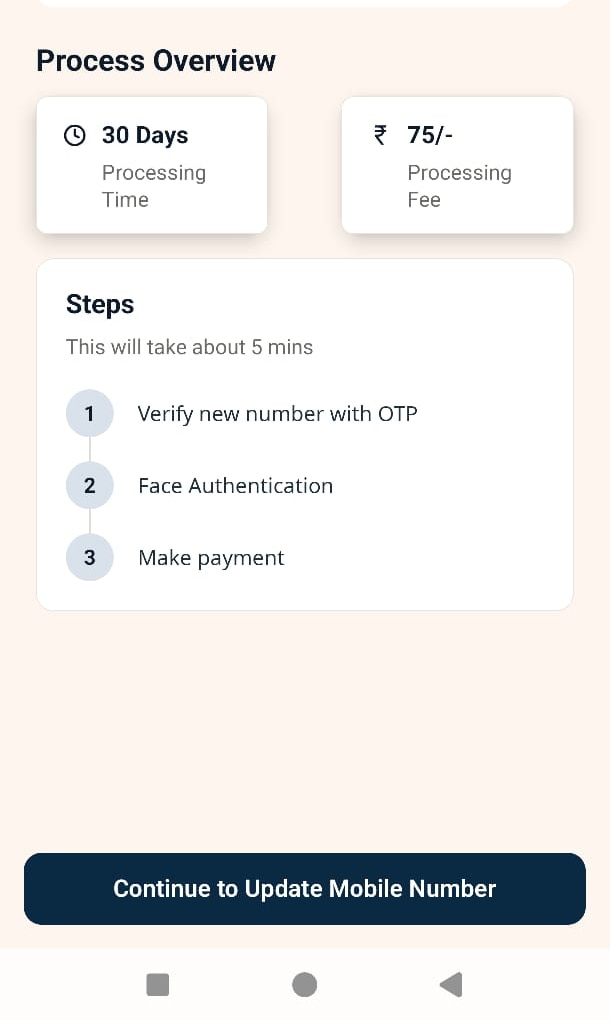
UIDAI says more update-related services may be added later. UIDAI says the app is designed for multiple day-to-day scenarios. These include hotel check-ins through QR verification, hospital visitor verification, age verification for cinema bookings, gig worker verification, and service partner onboarding. After trying the QR verification flow, the process feels much faster compared to manually submitting photocopies and waiting for staff verification.
The new Aadhaar app feels very different from older Aadhaar systems because the entire platform is now built around privacy and controlled sharing. Under the DPDP framework, UIDAI is trying to reduce long-term storage of Aadhaar details by third parties. This means hotels, offices, and other entities may no longer need to keep photocopies of Aadhaar cards in many cases.
Masked verification options are also available, helping users hide Aadhaar numbers during sharing. Alongside the app rollout, UIDAI has also extended the free online Aadhaar document update service. Users can continue updating identity and address documents free of cost through the myAadhaar portal until June 14, 2027. Earlier, this facility was available only until June 15, 2026.