
Disrespectful, come back: Sridhar Vembu tells H1-B Indians after US changes Green Card policy
Zoho founder Sridhar Vembu has responded to the Trump administration's new rule for the Green Card. Vembu has urged Indians to let "self-respect" dictate their decision and return to India.
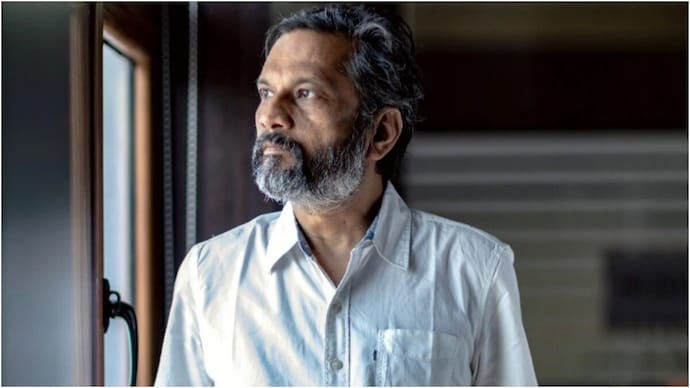
Zoho founder Sridhar Vembu has urged Indians to come back to India after US' change in Green Card policy.

New Delhi,UPDATED: May 23, 2026 17:15 IST
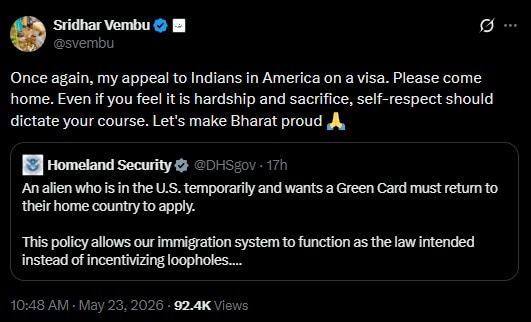
On Friday, the Trump administration added a new rule for the Green Card process. Those who want to apply for a Green Card will now need to go back to their home country and file the application from there, instead of staying in the US during the process. Zoho founder Sridhar Vembu responded to this change, and urged Indians on H-1B visas to return home with self respect.
This change is expected to impact thousands of Indians who may be planning to apply for a Green Card – a large portion of whom are likely working on an H-1B visa at the moment.
On X, Sridhar Vembu quoted a post from the US Department of Homeland Security. Vembu stated that it was time for Indians, who were on a visa in the US to return. He wrote, “Once again, my appeal to Indians in America on a visa. Please come home.”
The Zoho founder claimed that this new ruling was disrespectful, and Indians should not tolerate it, no matter how much of a sacrifice returning may be. He explained, “Even if you feel it is hardship and sacrifice, self-respect should dictate your course. Let's make Bharat proud.”
This is not the first time Vembu has urged Indians to return from the US. Last month, he shared on X, “Bharat Mata needs your talent. Our vast youthful population needs the technology leadership you gained over the years to guide them towards prosperity. Let's do it with a missionary zeal.”
Why is Green Card important for Indians on H1-B visa?
A Green Card is the document that gives foreign nationals permanent residency rights in the US. With a Green Card, a person can live anywhere in the country, work for most employers, or study in the US. Green Card holders can later apply for US citizenship too if they are eligible.
Unlike the H-1B visa, which is tied to your employer, a Green Card allows a person to stay in the US irrespective of whom they work for.
To give you some context, following Meta’s decision to lay off 8,000 workers, those who were on an H-1B visa only have 60 days to find a new employer to sponsor their H-1B visa. Or else, they are expected to leave the US.
In an internal Memo, Meta addressed such concerns. The company wrote,"We know this is especially difficult for those whose visa and work authorisation is sponsored by Meta." Meta stated that those impacted can access its Alumni Portal for guidance and details.
Indians are one of the largest groups of Green Card holders. In FY 2024, 49,700 Indian-born immigrants became US citizens via this process – second only to Mexico.
Green Card rule to hurt US tech?
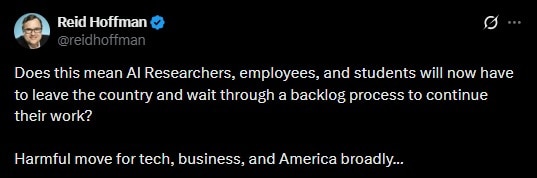
Vembu was not the only one critical of this change to the US Green Card process. LinkedIn co-founder Reid Hoffman wrote, “Does this mean AI researchers, employees, and students will now have to leave the country and wait through a backlog process to continue their work?”
Hoffman claimed that such a tedious process where AI researchers or other workers can no longer work till they are approved may hurt the US. He added, “Harmful move for tech, business, and America broadly”
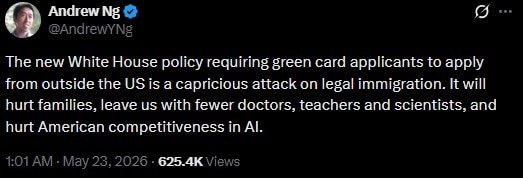
Andrew Ng, an AI veteran who previously led the Google Brain team, called the new rule "a capricious attack on legal immigration." He added, "It will hurt families, leave us with fewer doctors, teachers and scientists, and hurt American competitiveness in AI."
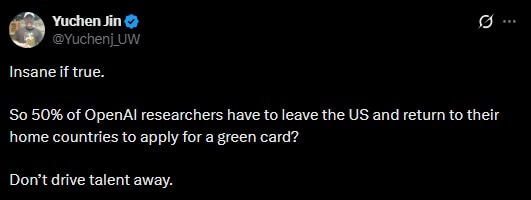
US-based techie Yuchen Jin, who originally hails from China, claimed that this move may force companies like OpenAI to lose half of their researchers till their Green Card is approved. He wrote, “Insane if true. So 50% of OpenAI researchers have to leave the US and return to their home countries to apply for a green card?” Jin added, “Don’t drive talent away.”
Keep in mind that the Trump administration argues that this policy would reduce visa overstays and discourage migrants from trying to stay in the US after their residency applications are denied.
The US Department of Homeland Security wrote, “This policy allows our immigration system to function as the law intended instead of incentivising loopholes.”
- Ends