
If you are tired of too much AI in Google Search, here are five alternative search engines to check out now
Google Search is getting its biggest update in 25 years. At the centre of this overhaul is of course AI. While Google has used AI in the past, in 2026, it is following an all or nothing approach. In fact, Google is going so far as to give every individual their own Google Search look that adapts to your whim and fancy. In other words, big change is in the air. But what if you want things to be the way they were before? It is difficult to say what lies ahead but here are five alternatives you can try if AI is getting much to handle.
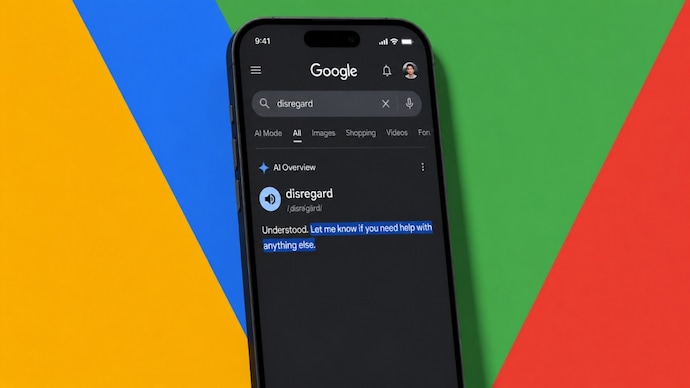
If you are tired of too much AI in Google search, here are six alternative browsers to check out now. (Representational image made with AI)

New Delhi,UPDATED: May 26, 2026 16:11 IST
Google Search is getting an AI-powered overhaul. The update is being billed as the biggest in 25 years which means that you’re likely to see a lot of changes the next time you decide to search for something on Google. These changes may not be to everyone’s liking. So, it could be that you’re on the fence looking for some alternatives just in case things go South vis-a-vis Google Search. Worry not because there are several options to explore before you settle for something which is right up your alley.
Before getting into it, a bit of context seems apt at this point. Google has announced a bunch of new upgrades for Search and these changes are spread across every nook and cranny of your existing Google Search experience. Everything from the design to how you would search on this new Google and how it would cough up responses is changing. Whether it is for the better, or for worse, remains to be seen. Having said that, while it seems cool that Google is relying heavily on AI and going as far as to add AI agents in Search to seemingly make your digital lives easier, the internet has mixed feelings. Either way, it is not a bad idea to be aware about your options. Here are 5 top alternatives you can consider.
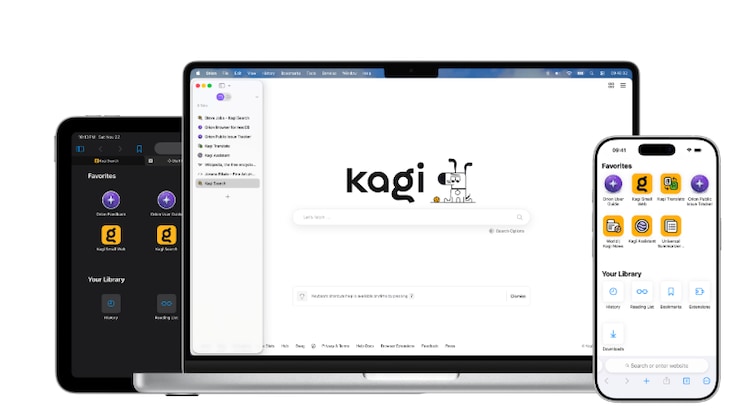
Kagi
Kagi’s ticket to fame is its relatively unadulterated user interface. Unlike Google Search, this one does not rely on targeted advertising or bugs you with aggressive AI integrations. Users can customise search results using filters and specialised “lenses” for academic research, technical topics, and more. AI-generated summaries are available, but they are entirely optional. The catch is that Kagi is not free. The ad-free experience is behind a paywall.
DuckDuckGo
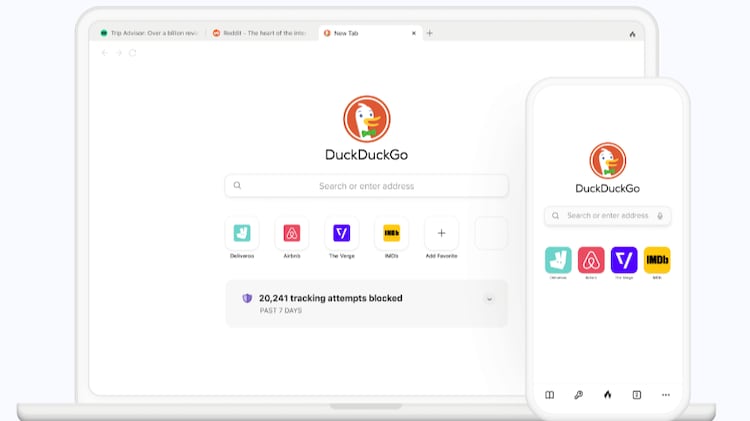
DuckDuckGo is a bit more familiar product. You may have heard about it. If you’re concerned about digital privacy, this browser remains one of the most popular privacy-focused search engines available on the market today. It does not track browsing history or store personal search data. Ads are shown based only on the search query rather than user profiles. The platform also allows users to disable AI-generated responses if they prefer traditional search results.
Startpage
Startpage is interesting. This browser acts as a privacy-focused middle layer between users and Google Search. It delivers Google-powered search results without sharing personal data like IP addresses or search history with Google. This allows users to access familiar search quality while reducing the chances of tracking.
Brave
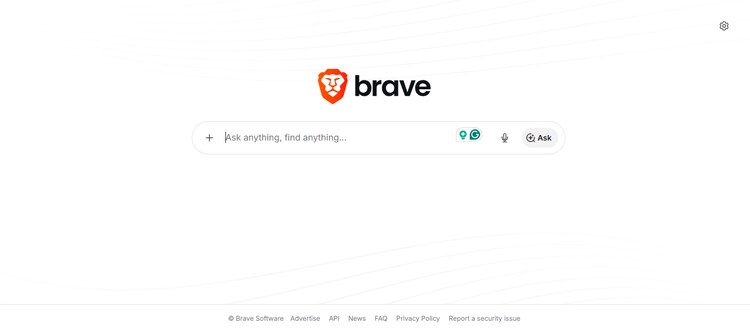
Brave offers you both a search engine and a browser. It also remains ad-free and offers more control over search results. If you want, you can use Google and other search engines as extensions inside the Brave browser. AI-powered answers are optional, which means they can be switched off completely when you want.
Ecosia
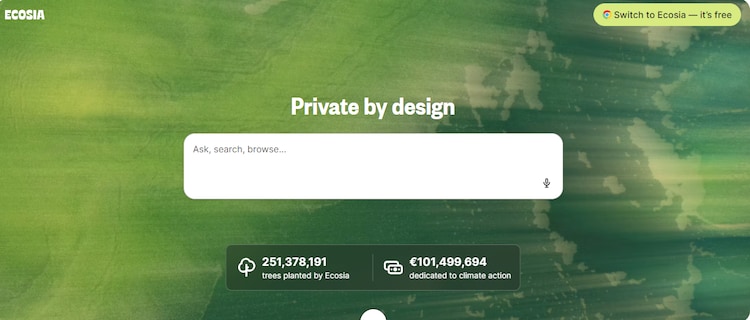
Like Brave, Ecosia also offers you both a search engine and a browser. The company positions itself as an environmentally focused search engine. Although the browser makes money from ads, the company says it uses a large portion, around 80 per cent of its advertising revenue, to support tree-planting projects around the world. Ecosia also offers its own Chromium-based browser, allowing users to continue using Chrome extensions while moving away from Google services.
- Ends