
Meta hides secret code for face recognition in Meta Glasses: Report
A new investigative report by WIRED has claimed that Meta has embedded code for a facial-recognition system, internally known as "NameTag", within its Meta AI app for smart glasses.
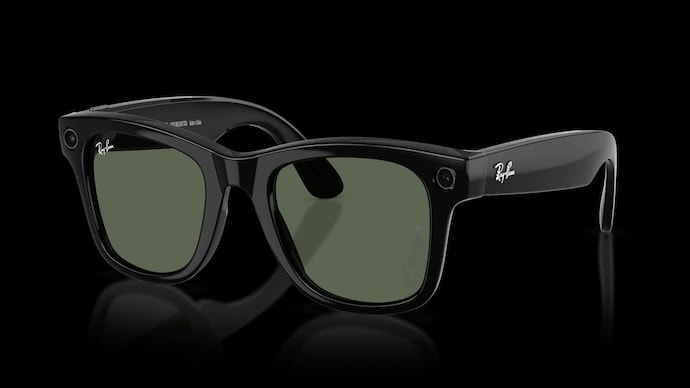

Meta may not have launched facial recognition on its smart glasses yet, but a new report suggests the company has already laid much of the groundwork behind the scenes. According to an investigation by WIRED, Meta has quietly added code for an unreleased facial-recognition system to the Meta AI companion app used with its Ray-Ban and Oakley smart glasses.
The feature, internally known as "NameTag", is reportedly designed to identify people captured by the glasses' camera and alert the wearer when it recognises someone. The report claims that while the feature has not been activated for users, core components of the system have been included in app updates since January 2026.
The findings come at a time when Meta has publicly said it was still "thinking through" how facial recognition could be used in future products.
In its analysis, WIRED suggests that NameTag sits inside the Meta AI app, which is required for several smart glasses functions and has reportedly been downloaded more than 50 million times. If enabled, the system would convert faces captured by the glasses into biometric signatures, commonly known as faceprints, and compare them against faceprints stored on a user's phone. Recognised individuals would trigger notifications, while other faces could be cropped, indexed and stored in a "pending" folder.
The publication further reported that three AI models linked to NameTag have already been deployed from Meta's servers to users' devices. One model detects faces, another crops them, and a third converts them into biometric data. Earlier versions of the app reportedly contained references to the feature under the name "Connections", suggesting it could help users "remember the people you met".
To verify its findings,the publication says it shared its analysis with external researchers. Cooper Quintin of the Electronic Frontier Foundation's Threat Lab said the feature appeared close to being functional despite not being publicly available. Another independent security researcher known as Buchodi reportedly tested the system by adding a faceprint of French philosopher Michel Foucault and successfully triggered a "Person recognised" notification.
The report has once again put Meta's facial-recognition ambitions under the spotlight. But it is not the first time the company has faced questions over the technology.
Facebook launched facial recognition-based photo tagging in 2010 and went on to build one of the world's largest consumer facial-recognition systems before shutting it down in 2021 and deleting more than a billion faceprints. Meta has also faced several legal challenges and billion-dollar settlements over its collection of biometric data, making the latest revelations particularly sensitive for the company.
Meta, however, has pushed back strongly against the report's conclusions. Ryan Daniels, a Meta spokesperson, told WIRED that the findings merely reflect the company's ongoing exploration of potential technologies. "Nothing has shipped to consumers and no final decision has been made on what to do here, if anything," Daniels said. He added that Meta is not building a central facial-recognition database and would be transparent if it ever decided to launch such a feature.
Meta's Communications Director, Andy Stone, also criticised the report on social media, arguing that descriptions of the technology as being secretly deployed were misleading and holds no truth.