
Meta to build first India AI data centre with Reliance in Jamnagar, Mark Zuckerberg announces
Meta has partnered with Reliance Industries to build its first AI-enabled data centre in India at Jamnagar. The project expands Meta's AI infrastructure while tying the facility to renewable power and desalinated seawater cooling.
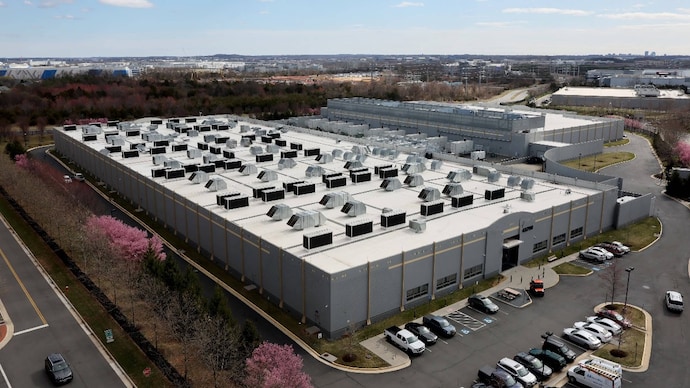

India is quickly emerging as one of the most important market for artificial intelligence (AI), and global tech giants are rushing to build the infrastructure needed to power the AI era. After Google's $15 billion AI hub project in India, Meta has now announced its first AI-enabled data centre in the country. The company has partnered with India's Reliance Industries to build the facility in Jamnagar, Gujarat, marking another major investment in India's growing AI ecosystem.
The upcoming data centre will have an initial capacity of 168 megawatts (MW), with room for future expansion as Meta's AI needs grow. Reliance will build the facility, while Meta will use it to support the AI systems behind products such as Facebook, Instagram and WhatsApp, as well as its broader ambitions around what CEO Mark Zuckerberg calls "personal superintelligence."
"We're proud to be working with Reliance to build our first AI-enabled data center in India. This world-class facility in Jamnagar will help us scale our AI infrastructure globally while deepening our long-term investment in India's economy," Zuckerberg said in a statement.
Why does Meta need a data centre in India?
AI systems require enormous computing power. Every AI-generated image, chatbot response or recommendation relies on powerful servers running inside massive data centres. As AI adoption grows, companies are racing to build more of these facilities around the world.
India has emerged as a particularly attractive destination because of its large digital user base, growing technology ecosystem and increasing focus on AI innovation. Meta says the Jamnagar facility will help it serve its expanding user base in India while strengthening its global AI infrastructure.
A focus on clean energy and water conservation
One of the biggest criticisms of AI data centres globally is their huge demand for electricity and water. In the United States, several proposed AI facilities have faced opposition from local communities over concerns about resource consumption.
Meta says it plans to address these concerns by making sustainability a key part of its India operations. The company has committed to powering the facility entirely with renewable energy and cooling it using desalinated seawater rather than relying on local freshwater resources.
To support the project, Meta has secured more than 900 MW of clean energy capacity. Of this, 837 MW will come from new solar and wind projects being developed by CleanMax across Rajasthan and Karnataka. Another 88 MW will be supplied through renewable energy projects developed by Fourth Partner Energy in Tamil Nadu, Karnataka, Maharashtra and Uttar Pradesh.
Meta has also said that it will bear the full cost of the energy and water infrastructure needed to support the facility.
More than just a data centre
Alongside the Jamnagar project, Meta has also highlighted its plans to improve digital connectivity in India through Project Waterworth, which it describes as the world's longest subsea cable system. The project aims to improve internet speed, reliability and quality across regions connected to the network.
A partnership years in the making
The Meta-Reliance collaboration did not begin with this data centre announcement. In 2020, Meta invested $5.7 billion in Jio Platforms, one of the largest foreign investments in India's digital sector. Since then, the companies have worked together on initiatives aimed at helping small businesses and expanding digital services.
Meta has also been working with Indian enterprises and developers by making its open-source AI models available in the country, further deepening its presence in India's technology landscape.