
OpenAI is making a phone: Launch timeline, AI features and everything else to know
OpenAI is reportedly working to bring its own smartphones. The company is said to be working with big chipmakers like MediaTek, Qualcomm and Luxshare.
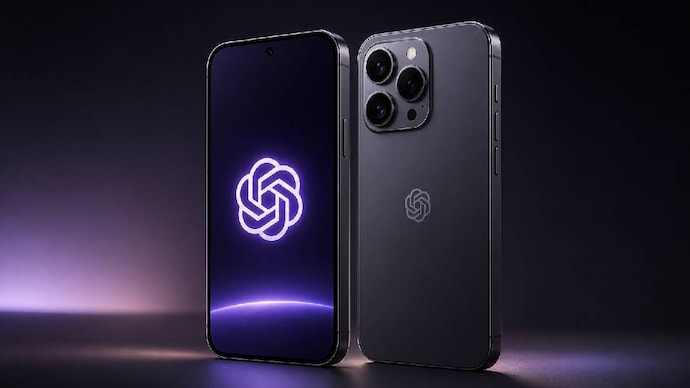

Imagine you are opening your smartphone and not having to do everyday tasks manually — like writing emails, booking flights, or handling other essentials through different apps. Instead, a personal AI assistant steps in, designed to act on your behalf. OpenAI is reportedly moving in that direction.
Industry analyst Ming-Chi Kuo suggested that the artificial intelligence firm is developing a phone in collaboration with MediaTek, Qualcomm and Luxshare. The purported device may solely rely on AI agents to do tasks rather than conventional mobile apps. The mass production of the device is targeted for 2028.
Kuo suggests that OpenAI, by developing its own smartphone and hardware ecosystem, could integrate AI across a wide range of features without the limitations typically faced by third-party apps. With ChatGPT approaching nearly a billion weekly users, such a device could help the company expand its reach among everyday consumers. Kuo also believes the smartphone would be built to continuously understand user context, allowing for more personalised interactions. By controlling the hardware, OpenAI could access deeper insights into user behaviour than it currently can through an app alone. He adds that the company is likely to rely on a hybrid approach, combining smaller on-device AI models with more powerful cloud-based systems to efficiently handle different types of tasks.
Potential market impact of OpenAI’s smartphone ambitions
An entry by OpenAI into the hardware arena could disrupt established players such as Apple Inc., which has long thrived on tightly integrated devices. Notably, former Apple designer Jony Ive has been working with OpenAI, adding weight to its hardware ambitions. If OpenAI’s agentic AI features prove successful, then that could challenge even dominant players, especially Apple, raising the possibility of a major industry shift similar to how Nokia lost its lead during the smartphone transition.
That said, there are other scenarios to consider. If these agentic AI capabilities do not remain exclusive to OpenAI and are widely adopted by other smartphone makers, their advantage could fade quickly. In that case, OpenAI’s device risks blending into the market and losing relevance — much like LYF smartphones, which struggled to sustain momentum after an initial push.