
Pope Leo says AI could threaten human dignity, truth and personal relationships
Pope Leo XIV has warned that AI could undermine human dignity, truth and personal relationships ahead of the release of Magnifica Humanitas, the Vatican's first major AI-focused encyclical. The document is expected to address AI's social impact while urging ethical development and responsible use.
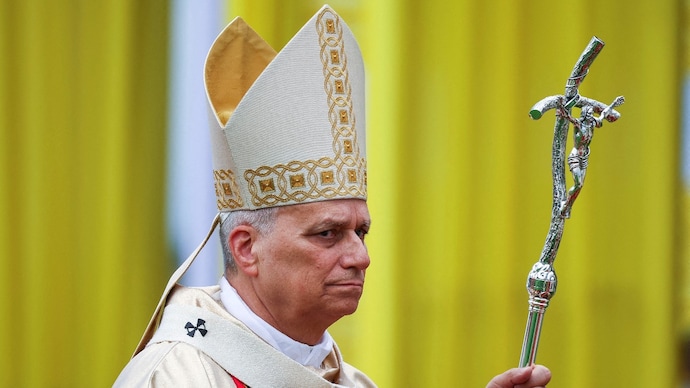

Pope Leo XIV has warned that artificial intelligence could threaten human dignity, truth and personal relationships, as the Vatican prepares to publish his first encyclical dedicated to the technology. The document, titled ‘Magnifica Humanitas’, will be issued on Monday and is expected to address growing concerns over AI’s impact on human dignity, relationships, education and society.
Speaking at the one-day conference titled "Preserving Human Faces and Voices", Pope Leo said society is currently facing a deeper crisis than simply adapting to new technologies. "We are truly experiencing an eclipse of the sense of what it means to be human," he said, warning against the unchecked promotion of technology at the expense of human values.
The Pope also criticised the growing use of chatbots and AI systems that, in his view, can exploit people's need for genuine human connection. He warned against "the unbridled promotion and implementation of technology at the expense of human dignity and the damage caused when chatbots and other technologies exploit our need for human relationships".
The upcoming encyclical by the Pope is expected to become one of the Vatican's most significant statements on artificial intelligence to date. Leo said the Church has a responsibility not only to help shape the development of digital technologies but also to guide people in using them wisely. “It is in this sense that the challenge we currently face is “not technological, but anthropological” (ibid.), and it is my hope that the Encyclical Letter to be published within a few days will contribute to answering this challenge,” he added.
He stressed that technology should remain in the service of humanity rather than becoming an end in itself. He also argued that the challenge posed by AI is ultimately an anthropological one, raising fundamental questions about human identity and purpose. The Pope has also called on schools, universities and religious institutions to strengthen media and AI literacy programmes, particularly for young people.
Meanwhile, ahead of the document's release, some of the world's biggest technology companies have been actively engaging with Pope Leo XIV and Vatican officials as they seek a role in shaping the broader conversation around artificial intelligence. According to reports, representatives from Meta, Google and Amazon recently took part in an hour-long discussion in Rome focused on AI and child protection.
During the meeting, the technology executives met Pope Leo XIV and the Vatican's top communications officials to discuss how AI can be developed and deployed responsibly. The conversation reportedly covered issues ranging from safeguarding children and young people online to protecting human dignity and workers' rights. Concerns around surveillance technologies and autonomous weapons were also raised.