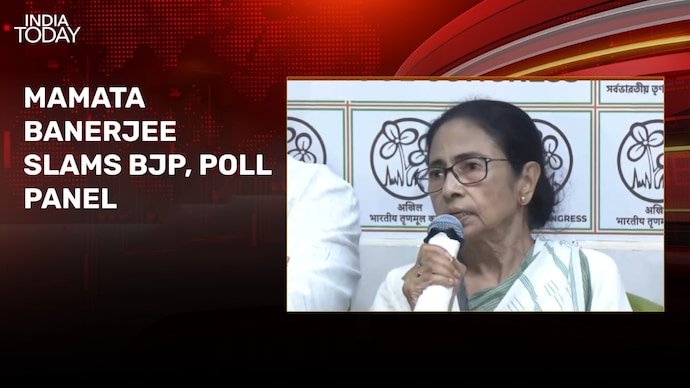
All India Trinamool Congress, popularly known as TMC, is one of India’s most influential regional political parties and the dominant force in West Bengal politics.
Founded on January 1, 1998, by Mamata Banerjee, the party emerged from a mass movement against the long rule of the Left Front led by the CPI(M). Mamata Banerjee broke away from the Congress to create an independent political platform focused on the rights of ordinary people and grassroots mobilisation.
The party’s symbol, featuring two flowers and grass, was personally designed by Mamata Banerjee at the time of the party’s formation in 1998. The symbol was meant to represent harmony, grassroots politics and unity among communities.
From its early years, the Trinamool Congress positioned itself as the principal opposition in Bengal. The party gained momentum through major movements such as Singur and Nandigram, where it led protests against forced land acquisition and displacement of farmers. These agitations reshaped Bengal’s political landscape and helped build widespread support for the party across rural and urban areas.
In 2011, TMC achieved a historic victory by ending 34 years of Left rule in West Bengal, with Mamata Banerjee becoming the state’s first woman Chief Minister. Since then, the party has continued to dominate Bengal politics, winning successive Assembly and Lok Sabha elections.
Known for its strong regional identity, welfare-driven politics and emphasis on secularism, TMC has also expanded beyond Bengal into states such as Meghalaya, Assam and Goa.
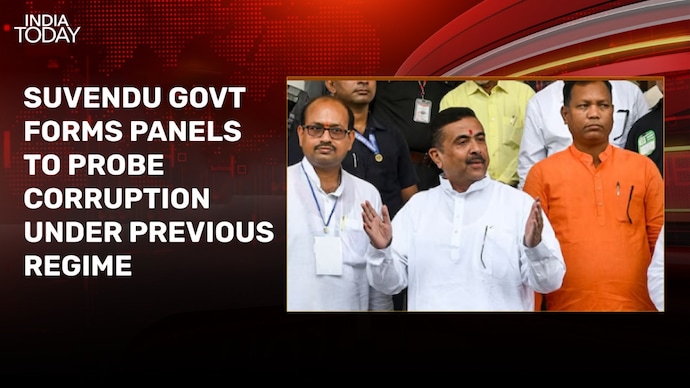
However, Bharatiya Janata Party secured a landslide victory in the 2026 West Bengal Assembly elections, ending the 15-year rule of All India Trinamool Congress, which had been in power since 2011. The BJP won 206 of the 294 seats in the Assembly, comfortably crossing the majority mark of 148. TMC supremo Mamata Banerjee also suffered a major personal setback after losing her seat to BJP leader Suvendu Adhikari.