
Diet Coke drought has the Internet acting like it's the end of days
A shortage of aluminium cans has caused Diet Coke supply disruption and memes have flooded timelines, ranging from "end of the world" jokes to users sharing screenshots of empty shelves.
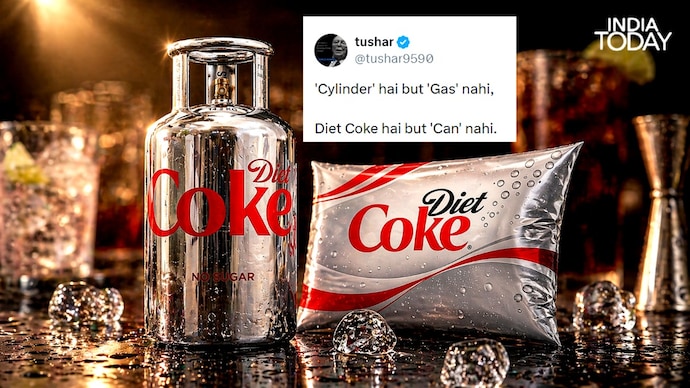

A fizzy crisis is bubbling up online and this time, it’s not about taste wars but a full-blown Diet Coke drought. The low-sugar favourite is suddenly hard to find across cities, and the internet has responded with peak drama, part panic, part meme fest.
At the centre of it is a supply chain problem with a geopolitical twist. A shortage of aluminium cans has begun impacting the availability of several canned beverages, especially Diet Coke, which is largely sold in cans rather than plastic or glass.
The shortage is linked to the disruption to tensions around the Strait of Hormuz, one of the world’s busiest maritime corridors. Any slowdown or restriction in this region affects the movement of raw materials and energy supplies, which in turn impacts aluminium production and global distribution.
At the same time, demand has been surging. The shift towards low-sugar and sugar-free beverages has accelerated over the past year, with sales in the segment reportedly doubling. That has created the perfect storm: rising demand colliding with tightening supply.
But if the shortage is serious, the internet’s reaction is anything but sombre.
Platforms like X and Instagram have turned the situation into a full-blown cultural moment. Content creator Viraj Ghelani summed it up with a dramatic video of himself wandering through stores, rejecting every alternative, regular cola, Coke Zero, like a man personally betrayed by the beverage industry.
Memes have flooded timelines, ranging from “end of the world” jokes to users sharing screenshots of empty shelves. Some have even admitted to bulk buying whenever stocks briefly reappear, only making the shortage more visible.
For many Gen Z consumers, Diet Coke isn’t just a drink, it’s part of a daily routine. And this shortage, temporary or not, has shown just how quickly a supply issue can spiral into a full-blown internet obsession: fizzy, frantic, and very, very online.