
Iran-US truce talks likely to resume soon, Pakistan says after initial setback
Pakistan's Defence Minister Khawaja Asif said the diplomatic engagement had so far produced "only positive progress" and noted there had been no negative developments since the talks concluded. The next round of Iran-US negotiations was expected soon, he added.
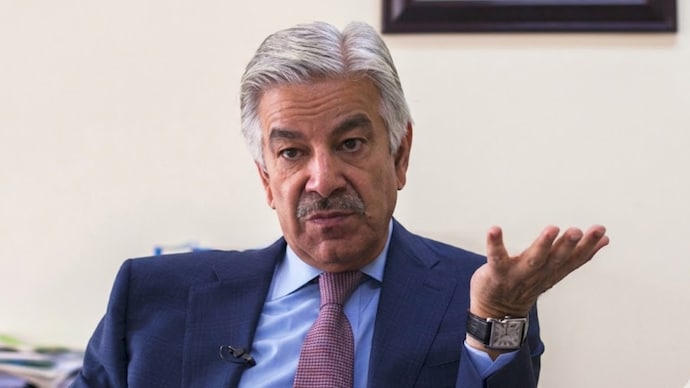

Pakistan’s Defence Minister Khawaja Asif on Monday said the next round of Iran-US negotiations is expected soon, signalling cautious optimism despite the failure of the latest Islamabad talks to secure a breakthrough.
Speaking to reporters outside Parliament House, Asif said the diplomatic engagement had so far produced “only positive progress” and noted there had been no negative developments since the talks concluded. The next round of Iran-US negotiations was expected soon, he added.
The latest round of negotiations, held in Islamabad over the weekend, lasted 21 hours and marked the first direct high-level engagement between US and Iranian officials of this scale since 1979. While the discussions did not result in a lasting peace agreement, both sides indicated that diplomatic channels remain open.
Pakistan played the role of mediator in bringing Washington and Tehran to the table, amid efforts to de-escalate tensions that have roiled the region and shaken global energy markets since the conflict erupted following US and Israeli strikes on Iran on February 28.
Asif, when asked whether Pakistan could play a decisive role in shaping the region’s future, added that “ultimate decisions rest with Allah,” according to The Express Tribune.
On the US side, Vice President JD Vance, who led Washington’s delegation, said Iran did not accept what he described as America’s “final and best offer” to end the war. However, in a separate Fox News interview on Monday, Vance struck a more hopeful tone, saying the US had made significant progress and that the next move now rests with Tehran.
Vance added that Washington expects Iran to take steps toward reopening the Strait of Hormuz, warning that the direction of negotiations could change if Tehran fails to act.
Hours after the talks stalled, President Donald Trump said on social media that the negotiations failed because Iran was “unwilling to give up its nuclear ambitions.”
Meanwhile, the Strait of Hormuz, the world’s most critical oil chokepoint, has once again been thrust into military confrontation after the US moved to sever a key maritime lifeline following the collapse of fragile peace talks in Islamabad over the weekend. A contingency plan long held in military playbooks has now been activated, with US naval forces launching a complex and high-risk operation.
On Monday, American forces began enforcing a full blockade on vessels attempting to enter or leave Iranian ports, deploying more than 15 warships at strategic positions in and around the Strait of Hormuz.