
Vance says US, Iran 'not there yet' on deal but talks progressing
If approved, the understanding could extend the truce for another 60 days and help reopen one of the world's most strategically important shipping routes while broader negotiations continue.
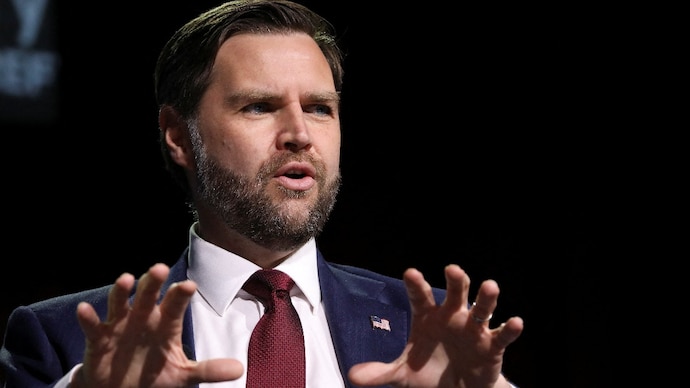

US Vice President JD Vance on Thursday said Washington and Tehran were still working through key issues in ongoing negotiations, though he expressed optimism that an agreement could eventually be reached.
“We’re not there yet,” Vance told reporters, referring to discussions with Iran over its nuclear programme.
Vance said unresolved differences remained over Iran’s enriched uranium stockpile and its uranium enrichment activities, adding that both sides were still negotiating the language of a possible agreement.
"It's hard to say exactly when or if the president is going to sign the MOU. We're going back and forth on a couple of language points," Vance said.
"I can't guarantee that we're going to get there, but right now I feel pretty good about it," he said.
His remarks came amid reports that the United States and Iran were close to extending their current ceasefire and easing restrictions on shipping through the Strait of Hormuz. According to reports, the proposed arrangement is awaiting approval from US President Donald Trump, while Iranian media has insisted that no final deal has been concluded.
If approved, the understanding could extend the truce for another 60 days and help reopen one of the world’s most strategically important shipping routes while broader negotiations continue.
The talks are also believed to include discussions on sanctions relief, Iranian oil exports and maritime access in the Gulf, alongside efforts to address concerns surrounding Tehran’s nuclear activities.
The latest diplomatic push follows renewed exchanges between the two countries in recent days despite the ceasefire announced earlier this year.
Reports of progress in negotiations also weighed on global oil prices, with markets reacting to expectations that tensions around the Strait of Hormuz — a route carrying nearly a fifth of the world’s oil and liquefied natural gas supplies — could ease.