
Mapped: Renewed US-Iran strikes as Hormuz sees first-ever US sea drone
The US and Iran exchanged strikes after Washington accused Tehran of downing an Apache near the Strait of Hormuz. The mapped attacks showed a focus on Iran's coastal defences, while Tehran's retaliation centred on Gulf states hosting US assets.


“I’d say that, in that part of the world, a ceasefire is when you’re shooting in a more moderate manner.” Just days ago, Donald Trump offered an unusually candid assessment of conflict in West Asia. Violence, he suggested, rarely stops in the region; it merely becomes “moderate”. Within days, the remark appeared unexpectedly accurate as Iran and the US exchanged fire in and around the Strait of Hormuz.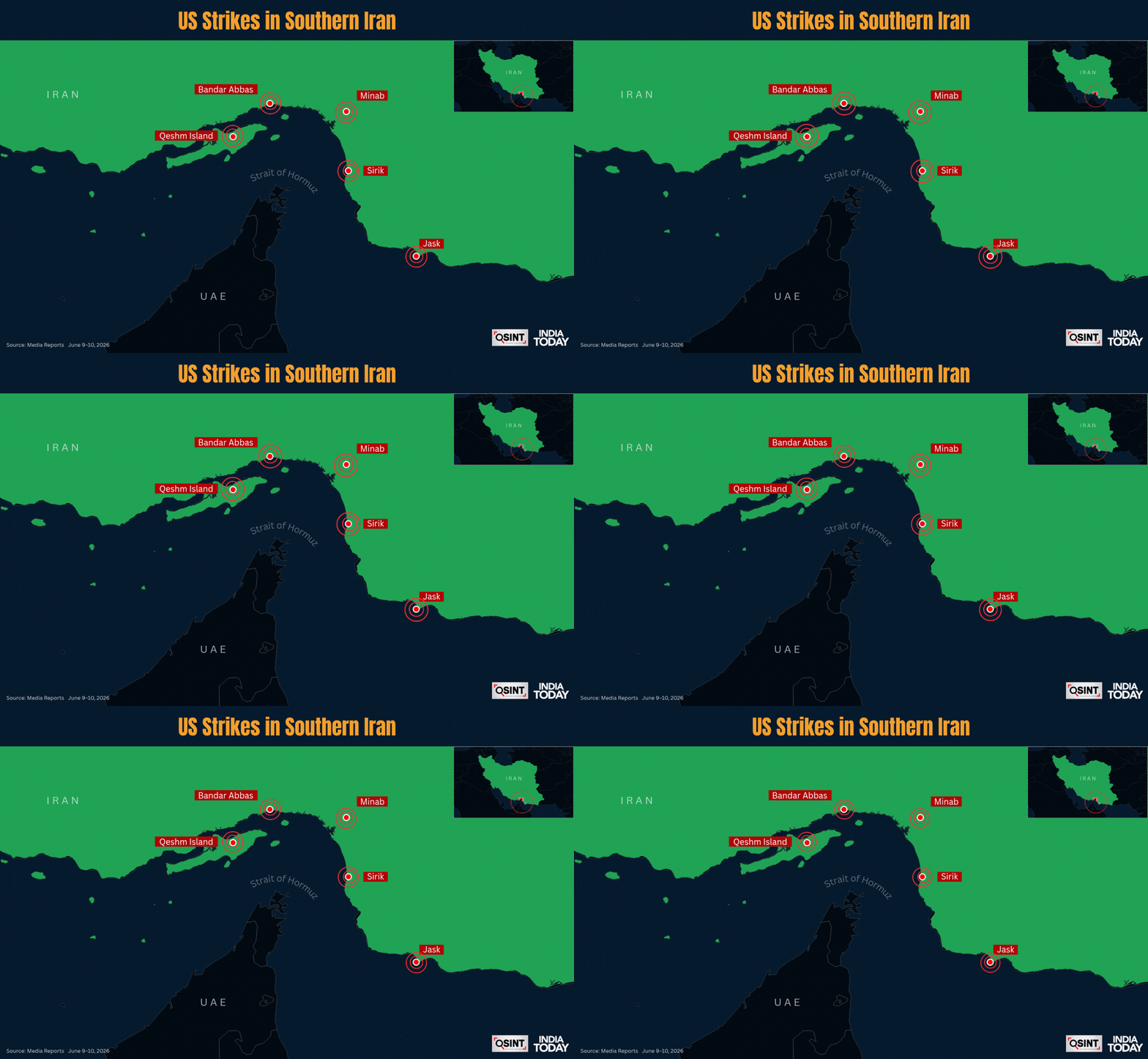
It was a familiar escalation spiral. A day after Trump urged Israeli PM Netanyahu, to show “restraint”, Washington found itself drawn into a conflict of its own after Iran shot down a US Army Apache helicopter near the Strait of Hormuz, prompting retaliatory American strikes on nearly 20 Iranian military sites. Tehran then warned that no attack would go “unanswered” before launching missile and drone attacks targeting US-linked bases in Jordan, Bahrain and Kuwait.
India Today Open Source Intelligence (OSINT) team mapped the reported strikes and found Washington focused heavily on Iran’s coastal defence architecture near Hormuz. A notable shift also emerged in Iran’s pattern of attacks: unlike earlier phases of the conflict, the UAE appears to have been spared so far, while retaliatory threats and reported strikes have centred on other Gulf states hosting key US military assets.
How a downed Apache set off the latest escalation
The immediate trigger came after Washington accused Iran of bringing down a US Army Apache helicopter near the Strait of Hormuz, the maritime chokepoint.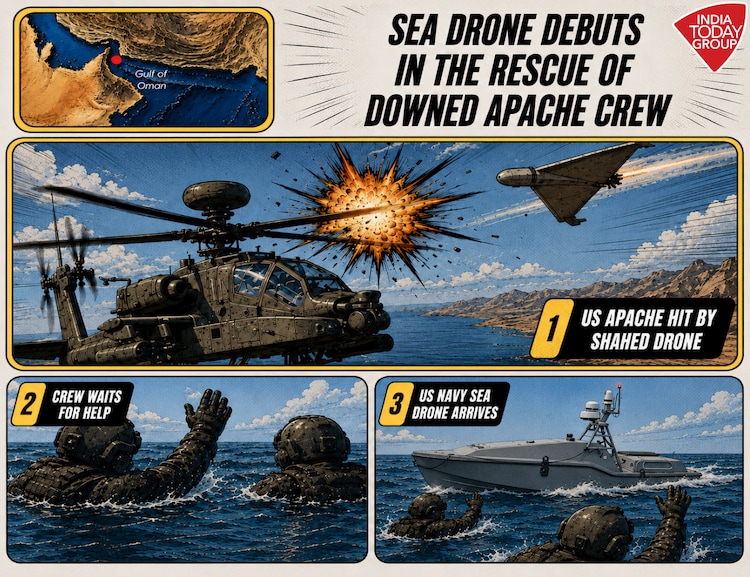
Trump said Iran had shot down a “highly sophisticated” helicopter, though both personnel survived. “Nevertheless, the United States must, of necessity, respond to this attack,” he said. Within hours, US Central Command launched what it called “self-defence” strikes on Iranian targets, describing them as a “proportional response”.
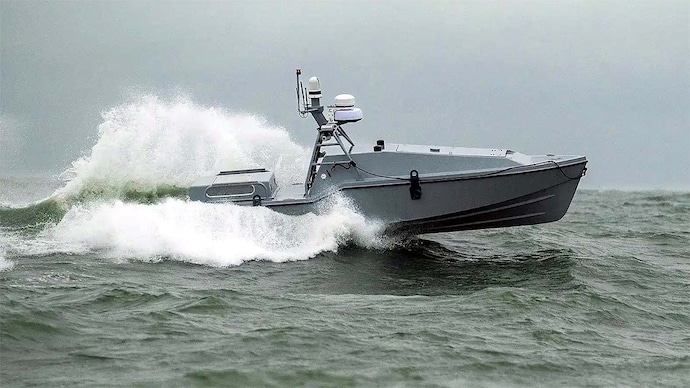
The episode also marked a technological first. Reuters reported that the US Navy used a Saronic Corsair to recover the Apache personnel. Saronic, a US defence technology company focused on autonomous naval systems for military operations, describes the Corsair as a “24' Autonomous Surface Vessel (ASV) capable of carrying up to 1,000 lbs over 1,000 NM” that “stands ready to deliver multi-mission capabilities rapidly and at scale around the world”, underscoring the Pentagon’s growing reliance on unmanned systems in modern conflict zones.
Where the US struck and why it matters
Following the Apache incident, Washington’s retaliation focused heavily on southern Iran and areas surrounding the Strait of Hormuz.
According to CENTCOM, US forces struck Iranian air defence systems, surveillance radar sites and ground control stations using precision munitions launched by Air Force and Navy fighter aircraft. A US official later told Reuters that nearly 20 Iranian targets had been hit.
However, the geography of those strikes offers clues about Washington’s priorities.
Qeshm Island, one of the reported targets, forms part of Iran’s “arch defence” around Hormuz and sits close to key shipping lanes. The island has long served as a surveillance and military node linked to Iran’s Revolutionary Guards.
Bandar Abbas, another targeted location, carries even greater military importance. Iran’s principal southern port city hosts a major naval base and acts as a command centre for much of Tehran’s Gulf activity.
Further southeast lies Jask, a strategically important coastal district positioned outside the Strait of Hormuz along the Gulf of Oman. Iran has increasingly invested in naval and energy infrastructure there to reduce vulnerability around Hormuz.
Sirik and Minab, though less internationally known, are located close to Iran’s coastal radar and logistics network in Hormozgan province.
Together, the targeting pattern suggests Washington was not merely retaliating for the Apache incident. It was attempting to degrade Iran’s coastal surveillance and defensive architecture around one of the world’s most strategically important waterways.
How Iran responded
Iran’s retaliation came swiftly and across multiple fronts.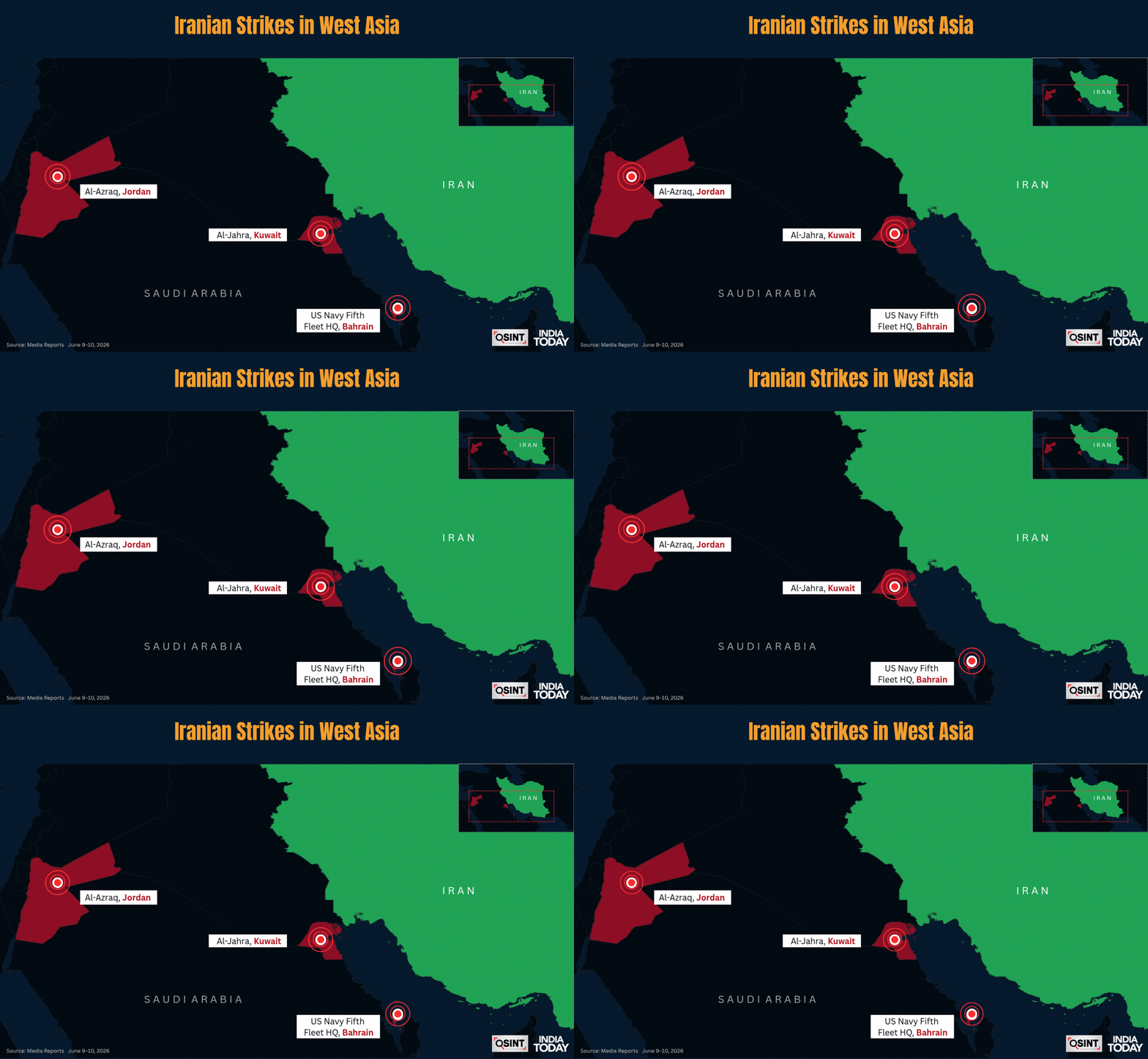
Iranian state media and the Revolutionary Guards said Tehran targeted a US base in Jordan and more than 20 additional sites across the Gulf in response to American strikes near Hormuz. Among the reported targets were military facilities in Bahrain, Kuwait and Jordan.
Iranian media claimed long-range missiles struck the US al-Azraq base in Jordan, a key American logistics hub in Zarqa Governorate. Jordan, however, said its air defence systems intercepted five missiles targeting the Azraq region late Tuesday.
In Bahrain, authorities activated air defence systems after Iranian claims that the US Fifth Fleet headquarters had been targeted with drones. A video later geolocated by US media appeared to show a splash near the naval base, though there has been no official confirmation.
Kuwaiti authorities also urged residents to seek shelter after reports emerged that Ali Al Salem Air Base may have come under threat. While defence systems reportedly engaged hostile aerial targets, there has been no confirmation yet on whether missiles were intercepted or caused any damage on the ground.
The pattern of retaliation, however, revealed a subtle shift. Unlike earlier phases of the conflict, the UAE, often seen as among the Gulf states most exposed to Iranian spillover risks, appears to have been spared so far, with retaliatory threats and reported attacks centred instead on other countries in the region hosting key US military assets.