Can E85 flex-fuel vehicles run on E20 fuel safely? Here is the answer
With the advent of E85 flex-fuel technology, the internal combustion engine is making a significant move toward a greener future. But can an E85 flex-fuel vehicle operate safely on E20 fuel? Here's what you need to know.
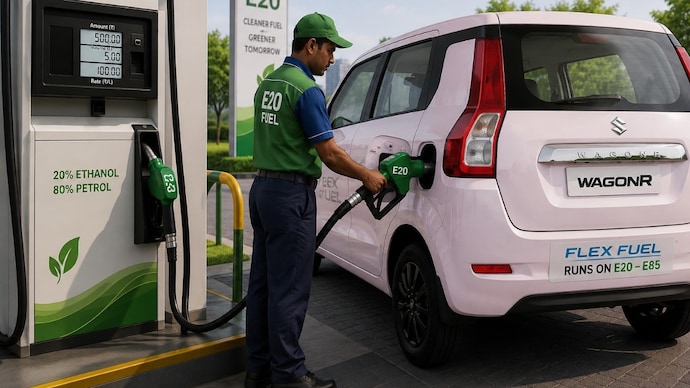
The big buzz these days is flex-fuel. The Government has introduced E85 fuel in Delhi at Rs 82.12 per litre, significantly cheaper than E20 fuel, which currently retails at around Rs 102.12 per litre. That price gap makes flex-fuel an attractive proposition for cost-conscious consumers.
Several flex-fuel vehicles have already been unveiled, including motorcycles such as the Hero HF Deluxe Flex Fuel and the Hero Splendor+ Flex Fuel. Maruti Suzuki has also showcased the Wagon R Flex Fuel prototype. Unlike electric vehicles, which have largely followed a top-down adoption strategy, flex-fuel technology is being positioned as a more accessible and affordable alternative aimed at the mass market.
However, as with any new technology, challenges remain. One of the biggest hurdles at present is fuel availability. In Delhi, there is currently only a single outlet dispensing E85 fuel. This raises an important question: what happens if a flex-fuel vehicle is filled with E20 instead of E85? Can it continue to operate safely and efficiently? Let's find out.
Components on a flex-fuel vehicle that make a difference
The primary components that are upgraded or optimised in a flex-fuel vehicle include the fuel lines, fuel pump, fuel filters and the Engine Control Unit (ECU). Among these, the ECU plays the most critical role. Acting as the vehicle's brain, it continuously monitors the fuel being used and adjusts key engine parameters to ensure optimal performance, efficiency and reliability across varying ethanol blends.
The remaining components are engineered using materials that are more resistant to the corrosive properties of higher ethanol concentrations. This helps minimise wear and tear, improves durability and ensures the fuel system can comfortably handle blends ranging from E20 to E85 over the long term.
So what happens when E20 is provided in a flex-fuel vehicle
The real strength of a flex-fuel vehicle lies in its engine management system. Unlike conventional vehicles, which operate using fixed engine maps, flex-fuel vehicles are equipped with an advanced Engine Control Unit (ECU) capable of adapting to varying ethanol blends. The ECU continuously analyses the fuel being used and recalibrates parameters such as ignition timing, air-fuel mixture and injection settings to optimise performance and efficiency.
As a result, if an E85-compatible flex-fuel vehicle is filled with E20 fuel, it can seamlessly adjust to the lower ethanol content and continue operating safely. In fact, because petrol contains more energy per litre than ethanol, fuel economy is likely to improve when running on E20 compared to E85.
This flexibility is what makes flex-fuel vehicles particularly appealing. They can comfortably run on anything from E20 to E85, giving owners the freedom to use whichever blend is readily available. In a market where ethanol infrastructure is still developing, that adaptability makes flex-fuel vehicles a practical and genuinely future-ready solution.
Subscribe to Auto Today Magazine
The big buzz these days is flex-fuel. The Government has introduced E85 fuel in Delhi at Rs 82.12 per litre, significantly cheaper than E20 fuel, which currently retails at around Rs 102.12 per litre. That price gap makes flex-fuel an attractive proposition for cost-conscious consumers.
Several flex-fuel vehicles have already been unveiled, including motorcycles such as the Hero HF Deluxe Flex Fuel and the Hero Splendor+ Flex Fuel. Maruti Suzuki has also showcased the Wagon R Flex Fuel prototype. Unlike electric vehicles, which have largely followed a top-down adoption strategy, flex-fuel technology is being positioned as a more accessible and affordable alternative aimed at the mass market.
However, as with any new technology, challenges remain. One of the biggest hurdles at present is fuel availability. In Delhi, there is currently only a single outlet dispensing E85 fuel. This raises an important question: what happens if a flex-fuel vehicle is filled with E20 instead of E85? Can it continue to operate safely and efficiently? Let's find out.
Components on a flex-fuel vehicle that make a difference
The primary components that are upgraded or optimised in a flex-fuel vehicle include the fuel lines, fuel pump, fuel filters and the Engine Control Unit (ECU). Among these, the ECU plays the most critical role. Acting as the vehicle's brain, it continuously monitors the fuel being used and adjusts key engine parameters to ensure optimal performance, efficiency and reliability across varying ethanol blends.
The remaining components are engineered using materials that are more resistant to the corrosive properties of higher ethanol concentrations. This helps minimise wear and tear, improves durability and ensures the fuel system can comfortably handle blends ranging from E20 to E85 over the long term.
So what happens when E20 is provided in a flex-fuel vehicle
The real strength of a flex-fuel vehicle lies in its engine management system. Unlike conventional vehicles, which operate using fixed engine maps, flex-fuel vehicles are equipped with an advanced Engine Control Unit (ECU) capable of adapting to varying ethanol blends. The ECU continuously analyses the fuel being used and recalibrates parameters such as ignition timing, air-fuel mixture and injection settings to optimise performance and efficiency.
As a result, if an E85-compatible flex-fuel vehicle is filled with E20 fuel, it can seamlessly adjust to the lower ethanol content and continue operating safely. In fact, because petrol contains more energy per litre than ethanol, fuel economy is likely to improve when running on E20 compared to E85.
This flexibility is what makes flex-fuel vehicles particularly appealing. They can comfortably run on anything from E20 to E85, giving owners the freedom to use whichever blend is readily available. In a market where ethanol infrastructure is still developing, that adaptability makes flex-fuel vehicles a practical and genuinely future-ready solution.
Subscribe to Auto Today Magazine

