LPG crisis triggers migrant exodus in Mumbai; construction sites, kitchens empty
Businesses already strained by global volatility now face domestic disruption, with developers and restaurateurs in Mumbai reporting sudden workforce depletion and rising operational costs.
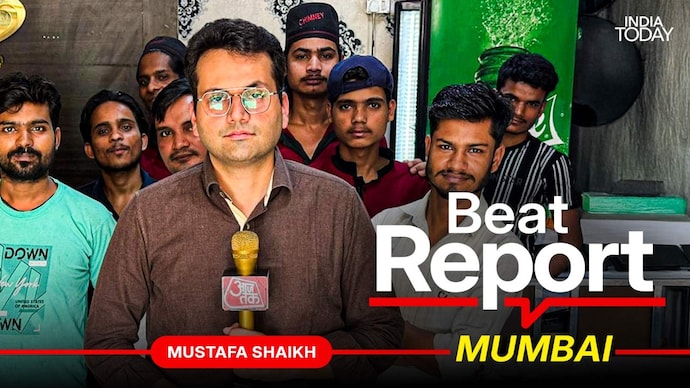
Mumbai’s real estate and hospitality sectors are grappling with a severe labour crunch as migrant workers leave the city in large numbers, driven by a commercial LPG shortage and the upcoming West Bengal Assembly elections.
Businesses already strained by global volatility now face domestic disruption, with developers and restaurateurs reporting sudden workforce depletion and rising operational costs.
REAL ESTATE SECTOR HIT HARD
The construction industry is bearing the brunt of the exodus. Amir Lakdawala, Director of the Lakdawala Group, said manpower has dropped sharply across sites.
“On one of my sites, 18 out of 20 workers have already left. Some fled so quickly they left their belongings behind,” he told India Today.
Despite offering incentives such as free meals, fuel support and higher wages, developers are struggling to retain labour. “With raw material costs rising and advance payments to suppliers, project delays are now inevitable,” Lakdawala added.
The impact is visible on the ground. Mohammed Azad, one of the few workers still at a site, described an atmosphere of uncertainty.
“Almost everyone is gone. Eating out has become too expensive, and if things don’t improve in a few days, the rest of us will leave too,” he told India Today.
BASIC SURVIVAL BECOMING DIFFICULT
For those who remain, securing essentials has become increasingly difficult.
Abul Hasan, a construction worker, said he spent nearly six hours—from early morning till noon—just to obtain a 5-kg gas cylinder.
“Cooking at home is the only way to survive because food from outside is unaffordable now, but even that is getting harder. I’ll be heading back to my village soon; it’s just not sustainable here,” he told India Today.
RESTAURANTS UNDER PRESSURE
The hospitality sector is facing a similar strain. Mehfuz Khan, who runs a restaurant chain, said nearly 20 per cent of his workforce disappeared almost overnight.
“Rumours of a fuel lockdown and LPG shortages sparked panic,” he said, adding that he managed to retain some staff by assuring meals and steady pay.
However, costs have surged dramatically. At his Govandi outlet, commercial LPG cylinders are being procured for as much as Rs 6,000, up from around Rs 1,800 earlier.
“We’ve added a 10 per cent surcharge, but that barely offsets the rising cost of coal, oil and raw materials. We are operating at a loss,” Khan told India Today.
A RECURRING CRISIS FOR MIGRANT WORKERS
For migrant workers, the current situation echoes past disruptions.
Javed Khan, a restaurant worker from Uttar Pradesh, said repeated economic shocks have deepened insecurity among labourers.
“Whether it was demonetisation, the lockdown, or now the gas shortage, the labour class suffers the most. Many who left during earlier crises never returned. That fear is coming back,” he said.
With workers continuing to leave and costs climbing, industry players warn that unless supply stabilises soon, both construction timelines and hospitality services in Mumbai could face prolonged disruption.
Mumbai’s real estate and hospitality sectors are grappling with a severe labour crunch as migrant workers leave the city in large numbers, driven by a commercial LPG shortage and the upcoming West Bengal Assembly elections.
Businesses already strained by global volatility now face domestic disruption, with developers and restaurateurs reporting sudden workforce depletion and rising operational costs.
REAL ESTATE SECTOR HIT HARD
The construction industry is bearing the brunt of the exodus. Amir Lakdawala, Director of the Lakdawala Group, said manpower has dropped sharply across sites.
“On one of my sites, 18 out of 20 workers have already left. Some fled so quickly they left their belongings behind,” he told India Today.
Despite offering incentives such as free meals, fuel support and higher wages, developers are struggling to retain labour. “With raw material costs rising and advance payments to suppliers, project delays are now inevitable,” Lakdawala added.
The impact is visible on the ground. Mohammed Azad, one of the few workers still at a site, described an atmosphere of uncertainty.
“Almost everyone is gone. Eating out has become too expensive, and if things don’t improve in a few days, the rest of us will leave too,” he told India Today.
BASIC SURVIVAL BECOMING DIFFICULT
For those who remain, securing essentials has become increasingly difficult.
Abul Hasan, a construction worker, said he spent nearly six hours—from early morning till noon—just to obtain a 5-kg gas cylinder.
“Cooking at home is the only way to survive because food from outside is unaffordable now, but even that is getting harder. I’ll be heading back to my village soon; it’s just not sustainable here,” he told India Today.
RESTAURANTS UNDER PRESSURE
The hospitality sector is facing a similar strain. Mehfuz Khan, who runs a restaurant chain, said nearly 20 per cent of his workforce disappeared almost overnight.
“Rumours of a fuel lockdown and LPG shortages sparked panic,” he said, adding that he managed to retain some staff by assuring meals and steady pay.
However, costs have surged dramatically. At his Govandi outlet, commercial LPG cylinders are being procured for as much as Rs 6,000, up from around Rs 1,800 earlier.
“We’ve added a 10 per cent surcharge, but that barely offsets the rising cost of coal, oil and raw materials. We are operating at a loss,” Khan told India Today.
A RECURRING CRISIS FOR MIGRANT WORKERS
For migrant workers, the current situation echoes past disruptions.
Javed Khan, a restaurant worker from Uttar Pradesh, said repeated economic shocks have deepened insecurity among labourers.
“Whether it was demonetisation, the lockdown, or now the gas shortage, the labour class suffers the most. Many who left during earlier crises never returned. That fear is coming back,” he said.
With workers continuing to leave and costs climbing, industry players warn that unless supply stabilises soon, both construction timelines and hospitality services in Mumbai could face prolonged disruption.

