54 seats, one outcome: Tea-growing North Bengal at heart of brewing poll battle
In the tea belt of North Bengal, the political brew is once again heating up, with 54 Assembly seats set to play a decisive role in shaping the next government in West Bengal.
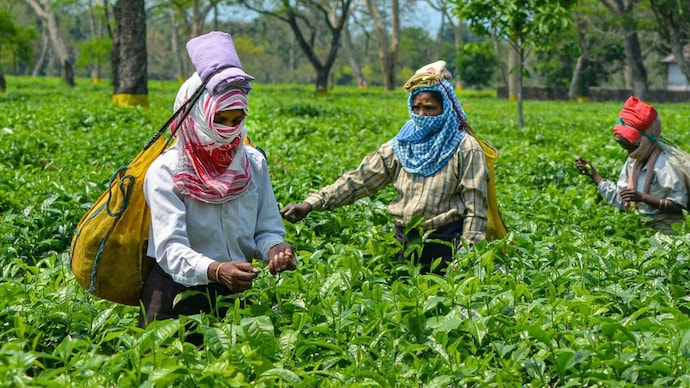
Chai politics in North Bengal is brewing strong once again, with 54 Assembly seats set to play a decisive role in shaping the next government in West Bengal. Much like the region’s famed tea, the electoral flavour there depends on timing, conditions and most crucially – the swing voter.
West Bengal will vote in two phases on April 23 and April 29 to elect new MLAs for 294 seats. Results will be declared on May 4.
Stretching across tea gardens, the Dooars and the hills, North Bengal has long been politically decisive. Once a Left stronghold, the region shifted dramatically in 2011 when Mamata Banerjee’s Trinamool Congress rode the 'Maa, Mati, Manush' (Mother, Motherland, and People) wave to win 28 of 54 seats.
While the Trinamool Congress retained influence in 2016, it was the BJP that made significant inroads, growing from zero to seven seats. By 2019, the BJP dominated the region, winning seven of eight Lok Sabha seats, and further cemented its grip by bagging 30 Assembly seats in 2021, even as it lost power statewide.
TRINAMOOL VS BJP: DIRECT CONTEST IN NORTH BENGAL
North Bengal has now emerged as a direct battleground between the Trinamool Congress and BJP, with the Left and Congress largely sidelined.
The BJP’s rise has been fuelled by its outreach in tea garden belts, tribal areas, and among communities like the Rajbanshis. However, recent political shifts, including defections of BJP leaders to the Trinamool Congress, have added unpredictability to the contest.
Meanwhile, the Trinamool Congress has intensified its focus on the region. Chief Minister Mamata Banerjee has kicked off her campaign from Alipurduar and surrounding Terai areas, signalling the party’s intent to reclaim lost ground.
THE SWING FACTOR
North Bengal is often called a swing zone for a reason. Voters here have a history of shifting loyalties every few election cycles.
Districts like Jalpaiguri exemplify this trend, where a mix of urban voters, rural populations, and tea garden workers creates a volatile electoral mix. Local issues — from jobs and wages to infrastructure — often outweigh broader political narratives.
Communities such as the Rajbanshis and Kamtapuris, influential across 12–15 constituencies, also play a key role. Their long-standing demands for identity, development, and even separate statehood continue to shape voting behaviour.
HILLS, ALLIANCES AND NEW EQUATIONS
In the Darjeeling hills, once dominated by the Gorkhaland movement, political unity has fragmented. Both the Trinamool Congress and the BJP are relying on alliances with regional players to secure votes.
The Trinamool Congress has tied up with the Bharatiya Janmukti Morcha, while the BJP continues its strategy of partnering with hill-based outfits — a formula that has helped it retain the Darjeeling Lok Sabha seat over the years.
FACTORS THAT COULD CHANGE ELECTORAL COURSE
In the Darjeeling hills, the once-unified Gorkhaland movement has lost momentum, with political forces now fragmented into multiple factions. This has altered traditional voting patterns. The Trinamool Congress has opted for an alliance strategy, allocating three seats to the Bharatiya Janmukti Morcha led by Anit Thapa instead of fielding its own candidates.
The BJP, too, continues to rely on regional alliances in the hills, a strategy that has helped it retain the Darjeeling Lok Sabha seat since the era of Jaswant Singh.
Closely contested constituencies are another key factor. Many seats in North Bengal have witnessed narrow margins over the past 15 years, making even minor shifts in voting patterns potentially decisive. Issues such as SIR and hyper-local dynamics could further tilt the balance in what is expected to be a tightly fought contest.
Shifting political loyalties are adding a fresh layer of intrigue to the contest. Ananta Maharaj, a former BJP Rajya Sabha MP, has moved closer to the Trinamool Congess, while former TMC MLA Argha Roy Bardhan and royal leader Bansi Badan Barman have joined the BJP. These crossovers could influence voter sentiment and turnout.
The key question, whether the Trinamool Congress will regain lost ground or the BJP will retain its North Bengal stronghold, remains to be seen.
Just like the prized first flush tea of North Bengal, the outcome here will set the tone for the rest of the state. With 54 crucial seats and a volatile voter base, this region could once again decide who enjoys the “sweetest cup” of power in Kolkata.
Chai politics in North Bengal is brewing strong once again, with 54 Assembly seats set to play a decisive role in shaping the next government in West Bengal. Much like the region’s famed tea, the electoral flavour there depends on timing, conditions and most crucially – the swing voter.
West Bengal will vote in two phases on April 23 and April 29 to elect new MLAs for 294 seats. Results will be declared on May 4.
Stretching across tea gardens, the Dooars and the hills, North Bengal has long been politically decisive. Once a Left stronghold, the region shifted dramatically in 2011 when Mamata Banerjee’s Trinamool Congress rode the 'Maa, Mati, Manush' (Mother, Motherland, and People) wave to win 28 of 54 seats.
While the Trinamool Congress retained influence in 2016, it was the BJP that made significant inroads, growing from zero to seven seats. By 2019, the BJP dominated the region, winning seven of eight Lok Sabha seats, and further cemented its grip by bagging 30 Assembly seats in 2021, even as it lost power statewide.
TRINAMOOL VS BJP: DIRECT CONTEST IN NORTH BENGAL
North Bengal has now emerged as a direct battleground between the Trinamool Congress and BJP, with the Left and Congress largely sidelined.
The BJP’s rise has been fuelled by its outreach in tea garden belts, tribal areas, and among communities like the Rajbanshis. However, recent political shifts, including defections of BJP leaders to the Trinamool Congress, have added unpredictability to the contest.
Meanwhile, the Trinamool Congress has intensified its focus on the region. Chief Minister Mamata Banerjee has kicked off her campaign from Alipurduar and surrounding Terai areas, signalling the party’s intent to reclaim lost ground.
THE SWING FACTOR
North Bengal is often called a swing zone for a reason. Voters here have a history of shifting loyalties every few election cycles.
Districts like Jalpaiguri exemplify this trend, where a mix of urban voters, rural populations, and tea garden workers creates a volatile electoral mix. Local issues — from jobs and wages to infrastructure — often outweigh broader political narratives.
Communities such as the Rajbanshis and Kamtapuris, influential across 12–15 constituencies, also play a key role. Their long-standing demands for identity, development, and even separate statehood continue to shape voting behaviour.
HILLS, ALLIANCES AND NEW EQUATIONS
In the Darjeeling hills, once dominated by the Gorkhaland movement, political unity has fragmented. Both the Trinamool Congress and the BJP are relying on alliances with regional players to secure votes.
The Trinamool Congress has tied up with the Bharatiya Janmukti Morcha, while the BJP continues its strategy of partnering with hill-based outfits — a formula that has helped it retain the Darjeeling Lok Sabha seat over the years.
FACTORS THAT COULD CHANGE ELECTORAL COURSE
In the Darjeeling hills, the once-unified Gorkhaland movement has lost momentum, with political forces now fragmented into multiple factions. This has altered traditional voting patterns. The Trinamool Congress has opted for an alliance strategy, allocating three seats to the Bharatiya Janmukti Morcha led by Anit Thapa instead of fielding its own candidates.
The BJP, too, continues to rely on regional alliances in the hills, a strategy that has helped it retain the Darjeeling Lok Sabha seat since the era of Jaswant Singh.
Closely contested constituencies are another key factor. Many seats in North Bengal have witnessed narrow margins over the past 15 years, making even minor shifts in voting patterns potentially decisive. Issues such as SIR and hyper-local dynamics could further tilt the balance in what is expected to be a tightly fought contest.
Shifting political loyalties are adding a fresh layer of intrigue to the contest. Ananta Maharaj, a former BJP Rajya Sabha MP, has moved closer to the Trinamool Congess, while former TMC MLA Argha Roy Bardhan and royal leader Bansi Badan Barman have joined the BJP. These crossovers could influence voter sentiment and turnout.
The key question, whether the Trinamool Congress will regain lost ground or the BJP will retain its North Bengal stronghold, remains to be seen.
Just like the prized first flush tea of North Bengal, the outcome here will set the tone for the rest of the state. With 54 crucial seats and a volatile voter base, this region could once again decide who enjoys the “sweetest cup” of power in Kolkata.

