Legends review: Steve Coogan's thriller is the perfect blend of The Office, Narcos
Steve Coogan and Tom Burke lead Legends, a drama about customs officers sent undercover during Britain's heroin crisis. The series focuses on fear, exhaustion and the damage caused by living under false identities.
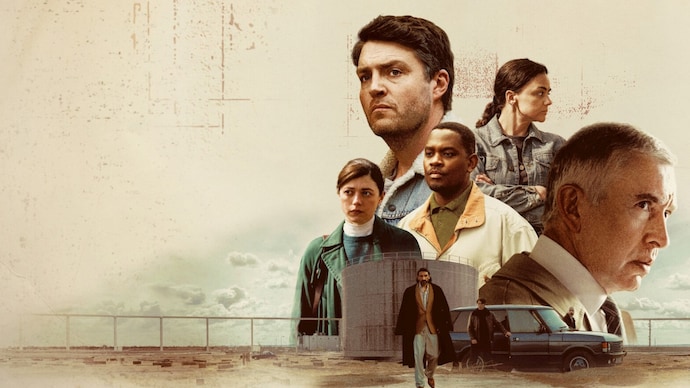
There’s something unintentionally hilarious about the central idea of Legends. Britain is spiralling into a heroin crisis in the early 1990s, drug gangs are becoming smarter and more violent, and the government’s genius masterplan is essentially: “What if we take a bunch of ordinary customs officers and throw them undercover into criminal empires?”
These are not elite spies - not James Bond or Mission: Impossible types. Just exhausted middle-aged civil servants who probably spent years checking luggage and confiscating illegal cigarettes before suddenly being asked to infiltrate heroin syndicates with absolutely no room for failure. And somehow, Legends turns this wildly chaotic true story into one of Netflix’s most gripping crime dramas in years.
Created by Neil Forsyth, the six-part series is inspired by real undercover customs operations during Britain’s heroin epidemic in the 1990s. But what instantly sets the show apart is that it never glamourises undercover work -- thankfully. Nobody here looks cool doing it. Everyone looks stressed, sleep-deprived, and one wrong move away from dying. At times, the series almost feels like The Office accidentally wandered into Narcos territory.
At the centre is Steve Coogan as Don, a veteran undercover operative tasked with training recruits to become believable criminals. Coogan plays him with such beautifully quiet exhaustion that even when he is sitting silently in a car, he looks like a man mentally calculating escape routes. This is also probably one of Coogan’s most restrained performances in years.
Don isn’t charismatic in the usual crime-drama way. He’s emotionally worn down, detached and permanently paranoid, like someone who has spent too long pretending to be other people and forgotten how to be himself.make
But the emotional core of Legends belongs to Tom Burke as Guy, a family man slowly disappearing into his undercover identity. Burke has somehow perfected the art of looking permanently haunted. Even when Guy tries to appear confident during criminal meetings, his eyes constantly betray fear. And that fear is exactly what makes the show work.
Most crime thrillers love turning undercover work into something stylish and thrilling. Legends makes it feel awkward, lonely and psychologically corrosive. The tension here rarely comes from action sequences. It comes from silence. A delayed answer during a conversation suddenly feels terrifying. A suspicious glance across a pub feels more stressful than an actual shootout. Some of the best scenes are simply characters trying not to look nervous.
The series also brilliantly captures the atmosphere of early-1990s Britain. The pubs feel nicotine-soaked, the offices look painfully dull, and everybody seems trapped under depressing fluorescent lights. This is not one of those glossy, stylised crime dramas where gangsters somehow look like fashion influencers. Here, even the criminals look exhausted by life.
What makes the writing especially smart is that the show never loses sight of the emotional damage caused by living under fake identities. Indian audiences have seen traces of this conflict in films like Dhurandhar recently, and Legends approaches it with a similar emotional restraint.
As Guy spends more time undercover, the line between performance and reality starts dissolving completely. The strain quietly infects his marriage, his personality and eventually his entire sense of self. One particularly unsettling moment comes when somebody asks Guy whether he even remembers who he was before the operation started. And the terrifying thing is, he genuinely seems unsure.
The supporting cast is strong across the board, especially Hayley Squires and Charlotte Ritchie, who bring warmth to a series filled with emotionally closed-off men pretending not to fall apart. Aml Ameen also adds unpredictability and energy whenever the show risks becoming emotionally too heavy.
The pacing does slow slightly in the middle episodes when multiple operations start overlapping, and viewers expecting constant action may find parts of it too patient.
A few supporting characters also end up slightly underdeveloped once the story becomes more crowded. But honestly, the slow-burn structure works in the show’s favour. Legends understands that real danger rarely arrives dramatically. Sometimes it arrives quietly through exhaustion, paranoia and tiny mistakes.
By the final episode, the show becomes less about drug operations and more about identity itself. What happens when pretending becomes permanent? Can somebody truly return to normal life after spending years performing another version of themselves?
Legends never gives easy answers... instead, it leaves behind a lingering discomfort and a thought that’s genuinely hard to shrug off.
There’s something unintentionally hilarious about the central idea of Legends. Britain is spiralling into a heroin crisis in the early 1990s, drug gangs are becoming smarter and more violent, and the government’s genius masterplan is essentially: “What if we take a bunch of ordinary customs officers and throw them undercover into criminal empires?”
These are not elite spies - not James Bond or Mission: Impossible types. Just exhausted middle-aged civil servants who probably spent years checking luggage and confiscating illegal cigarettes before suddenly being asked to infiltrate heroin syndicates with absolutely no room for failure. And somehow, Legends turns this wildly chaotic true story into one of Netflix’s most gripping crime dramas in years.
Created by Neil Forsyth, the six-part series is inspired by real undercover customs operations during Britain’s heroin epidemic in the 1990s. But what instantly sets the show apart is that it never glamourises undercover work -- thankfully. Nobody here looks cool doing it. Everyone looks stressed, sleep-deprived, and one wrong move away from dying. At times, the series almost feels like The Office accidentally wandered into Narcos territory.
At the centre is Steve Coogan as Don, a veteran undercover operative tasked with training recruits to become believable criminals. Coogan plays him with such beautifully quiet exhaustion that even when he is sitting silently in a car, he looks like a man mentally calculating escape routes. This is also probably one of Coogan’s most restrained performances in years.
Don isn’t charismatic in the usual crime-drama way. He’s emotionally worn down, detached and permanently paranoid, like someone who has spent too long pretending to be other people and forgotten how to be himself.make
But the emotional core of Legends belongs to Tom Burke as Guy, a family man slowly disappearing into his undercover identity. Burke has somehow perfected the art of looking permanently haunted. Even when Guy tries to appear confident during criminal meetings, his eyes constantly betray fear. And that fear is exactly what makes the show work.
Most crime thrillers love turning undercover work into something stylish and thrilling. Legends makes it feel awkward, lonely and psychologically corrosive. The tension here rarely comes from action sequences. It comes from silence. A delayed answer during a conversation suddenly feels terrifying. A suspicious glance across a pub feels more stressful than an actual shootout. Some of the best scenes are simply characters trying not to look nervous.
The series also brilliantly captures the atmosphere of early-1990s Britain. The pubs feel nicotine-soaked, the offices look painfully dull, and everybody seems trapped under depressing fluorescent lights. This is not one of those glossy, stylised crime dramas where gangsters somehow look like fashion influencers. Here, even the criminals look exhausted by life.
What makes the writing especially smart is that the show never loses sight of the emotional damage caused by living under fake identities. Indian audiences have seen traces of this conflict in films like Dhurandhar recently, and Legends approaches it with a similar emotional restraint.
As Guy spends more time undercover, the line between performance and reality starts dissolving completely. The strain quietly infects his marriage, his personality and eventually his entire sense of self. One particularly unsettling moment comes when somebody asks Guy whether he even remembers who he was before the operation started. And the terrifying thing is, he genuinely seems unsure.
The supporting cast is strong across the board, especially Hayley Squires and Charlotte Ritchie, who bring warmth to a series filled with emotionally closed-off men pretending not to fall apart. Aml Ameen also adds unpredictability and energy whenever the show risks becoming emotionally too heavy.
The pacing does slow slightly in the middle episodes when multiple operations start overlapping, and viewers expecting constant action may find parts of it too patient.
A few supporting characters also end up slightly underdeveloped once the story becomes more crowded. But honestly, the slow-burn structure works in the show’s favour. Legends understands that real danger rarely arrives dramatically. Sometimes it arrives quietly through exhaustion, paranoia and tiny mistakes.
By the final episode, the show becomes less about drug operations and more about identity itself. What happens when pretending becomes permanent? Can somebody truly return to normal life after spending years performing another version of themselves?
Legends never gives easy answers... instead, it leaves behind a lingering discomfort and a thought that’s genuinely hard to shrug off.

