Undekhi Season 4 review: Darker, deeper and driven by a trafficking trail
Undekhi Season 4 jumps five years ahead as Rinku runs the Atwal empire while Ghosh probes a trafficking case and crosses paths with him again. Teji's death, missing girls and Vikram Saluja's uncertain loyalties deepen the show's moral tension.
If there's one thing Undekhi has always shown, it's that evil doesn't retire. It just finds new business.
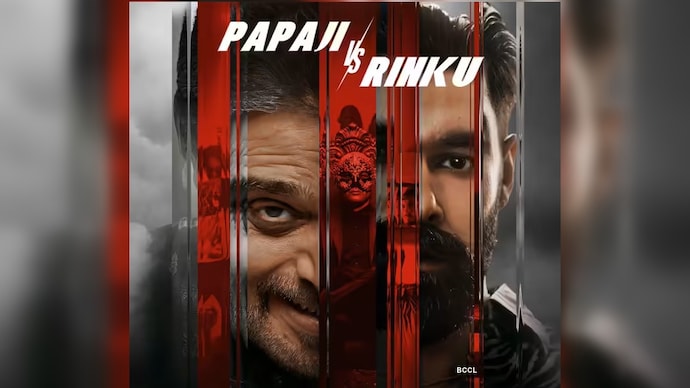
Season 4 picks up five years later. Papaji (Harsh Chhaya) is behind bars. Prison, however, has done little to change him. He still can't get through a sentence without a glass of alcohol and a string of cuss words. Meanwhile, Rinku (Surya Sharma) has taken over Mahinder Atwal aka Rajveer Malhotra's (Varun Badola) empire. He runs it with the same cold control he learnt from one of the most ruthless men on Indian TV.
Mahinder Atwal, now working from the shadows, is just as unsettling as before. He shows that power doesn’t need visibility, only fear.
The real gut punch arrives early. Teji is dead. She was killed in a car crash. And Daman is now raising their daughter Samaira alongside Teji's husband, Vikram Saluja, played by Gautam Rode. Yes, Teji had moved on and married Saluja. It's a lot to absorb, and the show doesn't soften it.
A new crime, a familiar world
The Atwals built their empire on drugs. Season 4 introduces something considerably darker – human trafficking. Minor girls are going missing in Chandigarh, and Rashi, played by Loveena Tandon, is assigned the investigation. Rashi brings in DSP Barun Ghosh into the probe, almost against his will. Anyone who has followed this show knows that Dibyendu Bhattacharya's Ghosh is incapable of saying no when something truly wrong is being done to truly vulnerable people, however much his instincts for self-preservation might suggest otherwise. He is dragged towards Himachal, and as the investigation deepens, he finds himself — inevitably, face to face with Rinku again.
Their dynamic remains one of the best parts of the show. They completely understand each other, stand on opposite sides of every line, yet are tied together by years of shared history they can’t escape. Their dynamic remains one of the best parts of the show. They completely understand each other, stand on opposite sides of every line, yet are tied together by years of shared history they can’t escape. Bhattacharya brings his familiar sense of quiet decency to Ghosh, grounding every scene he appears in and acting as the moral centre of the show when everything else turns dark.
The question nobody can answer yet
What Season 4 does particularly well is stacking its questions and refusing to answer them cheaply. The deeper Ghosh goes into the trafficking case, the more people around him turn up dead. Everyone he approaches becomes a liability. Which raises the obvious question – are the Atwals behind this too? Has Rinku quietly expanded into territory even darker than what Papaji once ran? And what exactly is Vikram Saluja – this seemingly decent man raising another man's child – hiding behind that composed, reasonable face?
Gautam Rode's entry is one of the season's shrewder moves. He brings a polished stillness to Saluja that makes you watch him very carefully without being entirely sure why. The show is deliberately withholding about where his loyalties actually lie, and that ambiguity is doing a lot of work across the eight episodes.
The world of Undekhi
Visually, Undekhi Season 4 continues the signature gritty realism that has defined the franchise from the beginning. The Manali landscapes are genuinely beautiful and genuinely chilling in equal measure, a backdrop that suits the violence and quiet dread brewing both within the Atwal empire and far beyond it.
Surya Sharma continues to power the show. Sharma's Rinku could have easily become a one-dimensional thug, but the actor keeps adding new layers — the loyalty, the ruthlessness, and a strange sense of honour that makes him both the most dangerous person in the room and, at times, the most interesting.
While Papaji and Rinku have been menacing since Season 1, this season introduces some new contenders for the spot. The most deserving is Deepjyot, aka DJ, played by Saqib Ayub, who doesn’t need a reason to wield his sword.
Moral grey zones
What this season does that the earlier ones didn't quite attempt is let the Atwals – particularly Rinku and Papaji – be human. Not sympathetic, but human. And that is a harder thing to pull off than it sounds. There will be moments where you catch yourself siding with people you know you shouldn't be siding with, and the show is entirely aware of what it's doing.
This isn't really a story about good versus evil any more. It's about evil versus something worse, and that moral murkiness is where Undekhi has always been at its most interesting.
A gripping but uneven finale
Undekhi Season 4, the final chapter of the series, keeps the tension high with its strong performances, hard-hitting moments, and occasional shock value. However, it is weighed down by inconsistent writing. While the show is clearly building towards a big finale, the packed storyline and rushed pacing take away from what could have been a more impactful ending.
The fast pace keeps the show moving, but a few storylines feel rushed or left half-done. New crime angles and characters keep getting added, but instead of deepening the story, they sometimes take focus away from the main plot.
As a result, the climax feels somewhat predictable, and the emotional impact doesn’t always hit as expected. Still, Undekhi Season 4 will keep you hooked. It remains watchable throughout – messy but engaging, even if it doesn’t always make the landing.
That said, Undekhi Season 4 doesn’t try to reinvent itself — and it doesn’t need to. It knows exactly what it is: a tightly constructed, morally layered crime thriller that demands attention and keeps viewers invested. The human trafficking storyline adds a dark layer, while the personal struggles of the main characters give the season real emotional weight, preventing it from becoming just plot-heavy show.
For fans, who have watched the three earlier seasons of Undekhi, do not miss the final season.
If there's one thing Undekhi has always shown, it's that evil doesn't retire. It just finds new business.
Season 4 picks up five years later. Papaji (Harsh Chhaya) is behind bars. Prison, however, has done little to change him. He still can't get through a sentence without a glass of alcohol and a string of cuss words. Meanwhile, Rinku (Surya Sharma) has taken over Mahinder Atwal aka Rajveer Malhotra's (Varun Badola) empire. He runs it with the same cold control he learnt from one of the most ruthless men on Indian TV.
Mahinder Atwal, now working from the shadows, is just as unsettling as before. He shows that power doesn’t need visibility, only fear.
The real gut punch arrives early. Teji is dead. She was killed in a car crash. And Daman is now raising their daughter Samaira alongside Teji's husband, Vikram Saluja, played by Gautam Rode. Yes, Teji had moved on and married Saluja. It's a lot to absorb, and the show doesn't soften it.
A new crime, a familiar world
The Atwals built their empire on drugs. Season 4 introduces something considerably darker – human trafficking. Minor girls are going missing in Chandigarh, and Rashi, played by Loveena Tandon, is assigned the investigation. Rashi brings in DSP Barun Ghosh into the probe, almost against his will. Anyone who has followed this show knows that Dibyendu Bhattacharya's Ghosh is incapable of saying no when something truly wrong is being done to truly vulnerable people, however much his instincts for self-preservation might suggest otherwise. He is dragged towards Himachal, and as the investigation deepens, he finds himself — inevitably, face to face with Rinku again.
Their dynamic remains one of the best parts of the show. They completely understand each other, stand on opposite sides of every line, yet are tied together by years of shared history they can’t escape. Their dynamic remains one of the best parts of the show. They completely understand each other, stand on opposite sides of every line, yet are tied together by years of shared history they can’t escape. Bhattacharya brings his familiar sense of quiet decency to Ghosh, grounding every scene he appears in and acting as the moral centre of the show when everything else turns dark.
The question nobody can answer yet
What Season 4 does particularly well is stacking its questions and refusing to answer them cheaply. The deeper Ghosh goes into the trafficking case, the more people around him turn up dead. Everyone he approaches becomes a liability. Which raises the obvious question – are the Atwals behind this too? Has Rinku quietly expanded into territory even darker than what Papaji once ran? And what exactly is Vikram Saluja – this seemingly decent man raising another man's child – hiding behind that composed, reasonable face?
Gautam Rode's entry is one of the season's shrewder moves. He brings a polished stillness to Saluja that makes you watch him very carefully without being entirely sure why. The show is deliberately withholding about where his loyalties actually lie, and that ambiguity is doing a lot of work across the eight episodes.
The world of Undekhi
Visually, Undekhi Season 4 continues the signature gritty realism that has defined the franchise from the beginning. The Manali landscapes are genuinely beautiful and genuinely chilling in equal measure, a backdrop that suits the violence and quiet dread brewing both within the Atwal empire and far beyond it.
Surya Sharma continues to power the show. Sharma's Rinku could have easily become a one-dimensional thug, but the actor keeps adding new layers — the loyalty, the ruthlessness, and a strange sense of honour that makes him both the most dangerous person in the room and, at times, the most interesting.
While Papaji and Rinku have been menacing since Season 1, this season introduces some new contenders for the spot. The most deserving is Deepjyot, aka DJ, played by Saqib Ayub, who doesn’t need a reason to wield his sword.
Moral grey zones
What this season does that the earlier ones didn't quite attempt is let the Atwals – particularly Rinku and Papaji – be human. Not sympathetic, but human. And that is a harder thing to pull off than it sounds. There will be moments where you catch yourself siding with people you know you shouldn't be siding with, and the show is entirely aware of what it's doing.
This isn't really a story about good versus evil any more. It's about evil versus something worse, and that moral murkiness is where Undekhi has always been at its most interesting.
A gripping but uneven finale
Undekhi Season 4, the final chapter of the series, keeps the tension high with its strong performances, hard-hitting moments, and occasional shock value. However, it is weighed down by inconsistent writing. While the show is clearly building towards a big finale, the packed storyline and rushed pacing take away from what could have been a more impactful ending.
The fast pace keeps the show moving, but a few storylines feel rushed or left half-done. New crime angles and characters keep getting added, but instead of deepening the story, they sometimes take focus away from the main plot.
As a result, the climax feels somewhat predictable, and the emotional impact doesn’t always hit as expected. Still, Undekhi Season 4 will keep you hooked. It remains watchable throughout – messy but engaging, even if it doesn’t always make the landing.
That said, Undekhi Season 4 doesn’t try to reinvent itself — and it doesn’t need to. It knows exactly what it is: a tightly constructed, morally layered crime thriller that demands attention and keeps viewers invested. The human trafficking storyline adds a dark layer, while the personal struggles of the main characters give the season real emotional weight, preventing it from becoming just plot-heavy show.
For fans, who have watched the three earlier seasons of Undekhi, do not miss the final season.

